

Global spending on advertising via social media is projected to surpass $300 billion by 2026, reflecting explosive growth and shifting digital priorities worldwide.
In today’s fast-paced landscape, advertising via social media is essential for brands seeking visibility and lasting impact. Social platforms are now the primary stage for connecting with audiences and driving measurable results.
This guide delivers an actionable roadmap for advertising via social media in 2026. You will discover how evolving platforms, new ad formats, sharper targeting, smarter measurement, and future-proof strategies can elevate your campaigns.
Ready to master advertising via social media? Let’s explore the trends, tools, and tactics that will define success in the year ahead.
The Evolution of Social Media Advertising: Trends and Platforms in 2026
Social media advertising is undergoing rapid transformation in 2026, shaped by new platforms, evolving content formats, and regulatory shifts. Brands must adapt to stay relevant and effective. Understanding these major trends is essential for anyone invested in advertising via social media.

The Rise of New and Emerging Platforms
In 2026, the landscape of advertising via social media is expanding beyond traditional giants. Platforms like Threads and BeReal are gaining traction, especially among Gen Z and younger Millennials. Niche communities focused on gaming, wellness, or professional networking are also drawing targeted audiences.
According to Emerging social media platforms in 2026, user growth on these platforms has surged by over 30 percent year-over-year. Brands like EcoWave and ByteStyle have successfully launched campaigns tailored to these new environments, leveraging authenticity and community engagement to build loyal followings. Staying agile and exploring these platforms is crucial for brands looking to maximize their reach with advertising via social media.
The Continued Dominance of Legacy Networks
Despite the rise of new players, legacy networks remain pillars for advertising via social media. Facebook and Instagram continue to boast billions of active users, while LinkedIn and TikTok maintain strong engagement in professional and entertainment domains.
Recent usage stats show slight shifts in audience age and content preferences, with video and interactive posts seeing the highest engagement. Brands such as TechBridge and StyleMakers have executed highly effective cross-platform campaigns, adapting their content to fit each network's unique strengths. These case studies highlight the continued power and flexibility of established platforms in advertising via social media.
Integration of AI and Automation
AI and automation are redefining advertising via social media in 2026. Advanced AI tools now streamline ad creation, optimize placements, and enable hyper-personalized targeting at scale. Marketers use predictive analytics to model audience behavior and adjust campaigns in real time.
Statistics reveal that brands using AI-powered solutions report up to 25 percent higher ROI compared to manual campaign management. Dynamic creative optimization ensures messages resonate with specific audience segments. This integration of AI not only increases efficiency but also enhances the effectiveness of advertising via social media.
Video and Interactive Content Evolution
The appetite for engaging content continues to drive innovation in advertising via social media. Short-form videos, live streams, and interactive formats like AR and VR ads are surging in popularity. Audiences crave immersive experiences that invite participation and spark conversation.
Data shows that interactive ads achieve click-through rates up to 40 percent higher than static formats. Brands utilizing live product demos and virtual try-ons are seeing measurable lifts in both engagement and conversion rates. Embracing these evolving formats is key to staying competitive with advertising via social media.
Privacy, Data, and Regulatory Changes
Privacy and data regulations are reshaping the landscape of advertising via social media. New rules on data transparency and cookie deprecation challenge traditional targeting methods, pushing brands to rethink their strategies.
Adapting to these changes, companies are investing in first-party data and transparent consent practices to maintain compliance and trust. Marketers who prioritize ethical data usage and clear communication with users are better positioned to succeed. Navigating the evolving regulatory environment is now a core component of effective advertising via social media.
Setting a Winning Social Media Advertising Strategy
Building a winning strategy for advertising via social media in 2026 demands a blend of clear objectives, in-depth audience understanding, smart budgeting, and agile creative planning. Brands that master these elements position themselves to thrive amid rapid industry evolution and shifting consumer expectations.
Defining Your Objectives and KPIs
Success in advertising via social media starts with precise goal-setting. Begin by aligning your campaign with business objectives, whether brand awareness, lead generation, or direct conversions. Establishing clear KPIs ensures every effort is measurable and actionable.
Common social media KPIs by industry:
| Industry | Awareness KPI | Engagement KPI | Conversion KPI |
|---|---|---|---|
| Retail | Reach | Engagement Rate | Cost per Purchase |
| SaaS | Impressions | Click-Through Rate | Cost per Lead |
| Hospitality | Follower Growth | Shares | Booking Rate |
Campaigns anchored in specific KPIs consistently outperform generic efforts. For deeper insights on aligning objectives with emerging trends, explore Social media and advertising trends.
Understanding and Segmenting Your Target Audience
A powerful advertising via social media strategy relies on knowing exactly who you want to reach. Use audience research tools like Meta Insights, TikTok Analytics, and LinkedIn Demographics to build detailed personas.
Social listening platforms, such as Brandwatch or Sprout Social, help you track sentiment and discover new segments. By analyzing conversations and engagement patterns, you can refine your audience segments for higher relevance.
Case studies show that brands leveraging robust segmentation see up to 30% improvement in campaign ROI. Continually update your personas to reflect shifts in demographics and interests.
Budgeting and Resource Allocation
Allocating budget effectively is critical for sustainable advertising via social media. Industry benchmarks suggest that brands invest between 12% and 18% of their total marketing budget on social channels, with variations by sector.
Consider the following budgeting tips:
- Analyze past campaign performance to inform future spend.
- Reserve a portion for testing new platforms or formats.
- Balance investment between paid and organic efforts.
Comparing ROI across platforms can reveal where your dollars work hardest. For example, retail brands often see higher returns from shoppable ads, while B2B companies may benefit from sponsored content on LinkedIn.
Choosing the Right Platforms for Your Brand
Selecting platforms for advertising via social media should always align with your objectives and audience. Evaluate demographic data and engagement trends on core networks like Facebook, Instagram, LinkedIn, TikTok, and emerging platforms.
Statistics indicate that short-form video ads on TikTok and Instagram Reels drive higher engagement among Gen Z, while LinkedIn remains strong for B2B targeting.
Brands succeeding with multi-platform strategies often tailor content and formats for each audience, maximizing reach and relevance. Assess the effectiveness of each channel regularly to refine your mix.
Creative Planning and Content Calendar Development
Consistent messaging and timing are essential for impactful advertising via social media. A well-structured content calendar enables you to plan campaigns around product launches, seasonal events, or trending topics.
Effective tools for planning and automation include Hootsuite, Buffer, and Asana. These platforms support scheduling, asset management, and cross-team collaboration.
A sample content calendar for a product launch might include teaser videos, influencer partnerships, behind-the-scenes stories, and interactive polls, all mapped to specific dates and platforms.
The Role of Strategic Partners in Social Media Advertising
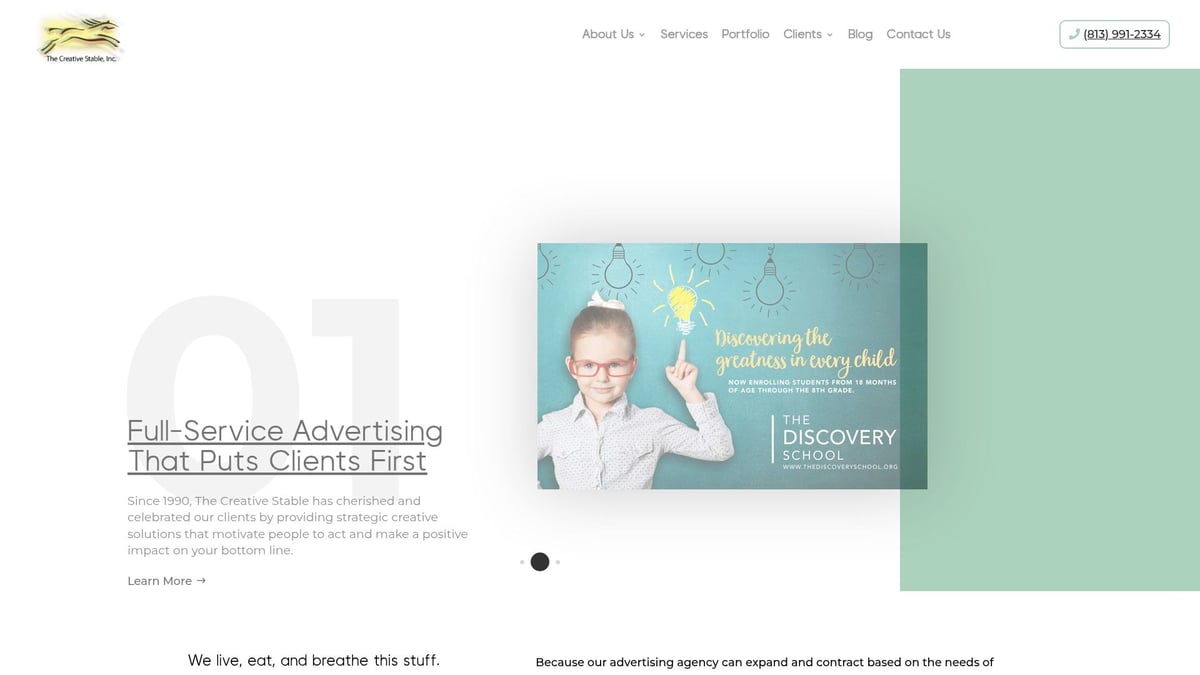
Collaborating with experienced agencies can elevate your advertising via social media. Strategic partners like The Creative Stable offer expertise in creative direction, campaign execution, and advanced analytics.
Benefits of agency partnerships include:
- Access to specialized talent and industry insights
- Scalable support for campaigns of any size
- Proven results from data-driven optimization
Brands leveraging flexible agency support often achieve faster growth and improved ROI, ensuring their social media advertising remains competitive in a dynamic landscape.
Crafting High-Impact Social Media Ads: Formats, Creative, and Messaging
In 2026, the landscape of advertising via social media is more dynamic than ever. Brands must master new formats, creative approaches, and messaging strategies to stand out. Let us explore the formats, creative tactics, personalization, and accessibility standards that drive high-impact results in this evolving space.

Ad Formats and Their Effectiveness in 2026
The variety of ad formats available for advertising via social media in 2026 is vast and ever-expanding. Stories and Reels dominate short-form video engagement, while Carousels allow brands to showcase multiple products with swipeable visuals. Shoppable Posts have transformed the path to purchase by enabling users to buy directly within the feed. Augmented Reality (AR) and Virtual Reality (VR) ads are rapidly gaining traction, especially with younger audiences seeking immersive experiences.
According to recent studies, short-form video ads see an average click-through rate (CTR) of 2.3%, outperforming static image ads by 60%. Brands like Nike and Sephora have pioneered interactive AR campaigns, boosting engagement and conversion rates. If you want to stay ahead, keep an eye on the top 6 marketing trends for 2026 as these formats evolve. As advertising via social media platforms continues to innovate, choosing the right format for your message is crucial.
| Format | Average CTR | Best For |
|---|---|---|
| Stories | 1.8% | Brand awareness |
| Reels | 2.3% | Engagement, virality |
| Carousels | 1.5% | Product showcases |
| Shoppable Posts | 1.9% | Direct conversions |
| AR/VR Ads | 2.5% | Immersive experiences |
Creative Best Practices
Visual storytelling is at the heart of successful advertising via social media. In 2026, motion graphics, user-generated content (UGC), and branded filters are trending. Brands find that mixing polished visuals with authentic UGC fosters trust and relatability. Always design for mobile-first, using bold colors, clear text, and eye-catching animations.
Copy should be concise, action-oriented, and tailored to the platform. Pose questions, highlight benefits, and use strong calls to action. For example, a leading beverage brand refreshed its creative assets quarterly, resulting in a 35% lift in engagement. Consistent creative updates are vital for sustained performance in advertising via social media.
- Use motion graphics to capture attention
- Integrate UGC for authenticity
- Refresh creative assets regularly
Personalization and Localization
Personalization has become a non-negotiable element of advertising via social media. Dynamic creative optimization tools allow marketers to tailor visuals and messaging in real time based on user data. Geo-targeted and language-specific ads ensure relevance for local audiences, boosting resonance and conversion.
Recent data shows that personalized ads can increase CTR by up to 45% over generic campaigns. Brands that localize their content, such as global retailers adapting promotions by region and language, consistently outperform competitors. Investing in personalization technology is now essential for any brand serious about advertising via social media.
Accessibility and Inclusivity in Ad Design
Accessibility and inclusivity are no longer optional in advertising via social media. Brands are expected to include captions, alt text, and adaptable design elements to ensure all users can engage with their content. Inclusive campaigns, featuring diverse representation and accessible language, expand audience reach and foster brand loyalty.
Statistics reveal that accessible creative can increase engagement by 20% and improve positive sentiment. Companies that prioritize inclusivity in advertising via social media set themselves apart, earning trust and driving measurable growth. Incorporating these standards should be a core principle in every creative workflow.
Advanced Targeting, Testing, and Optimization Strategies
Today’s advertising via social media landscape demands more than clever creative and big budgets. Brands must harness advanced targeting, rigorous testing, and ongoing optimization to cut through the noise and drive measurable results. Explore the essential strategies powering high-performance campaigns in 2026.
Leveraging AI and Machine Learning for Targeting
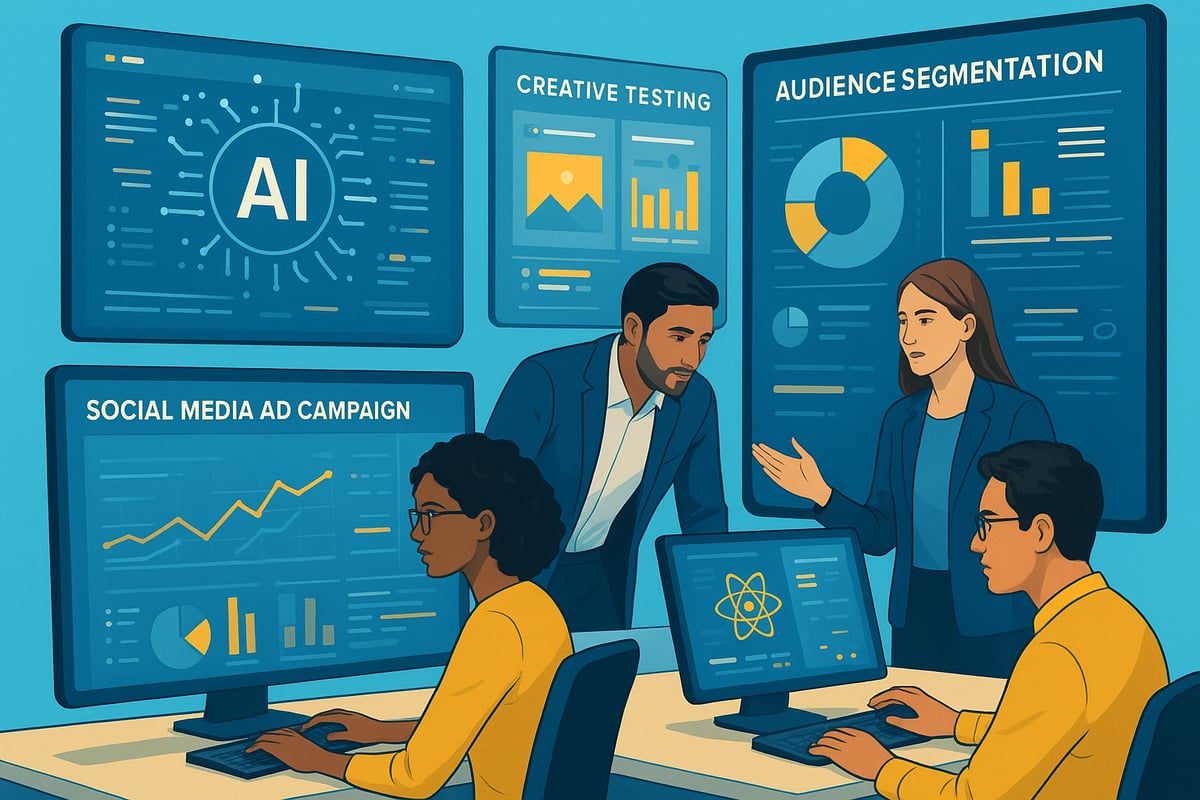
Artificial intelligence is revolutionizing advertising via social media by unlocking predictive audience modeling and real-time optimization. AI-driven platforms analyze vast data sets to surface the most receptive audiences, ensuring ads reach users primed for engagement. Automated tools refine targeting criteria instantly based on performance signals, freeing marketers to focus on strategy.
For example, machine learning algorithms can identify micro-segments with high conversion potential, optimizing creative delivery in real time. As highlighted in AI’s impact on social media advertising, brands using AI-driven targeting report significant improvements in ROI and campaign efficiency.
Retargeting and Lookalike Audiences
Retargeting remains a cornerstone of advertising via social media, driving users from initial interest to conversion. By re-engaging those who interacted with your brand, you boost relevance and recall. Lookalike audiences take this a step further, using existing customer data to find new users with similar behaviors and interests.
Success depends on thoughtful segmentation and timely messaging. For instance, serving tailored offers to users who abandoned a cart can dramatically increase conversion rates. Continual refinement of retargeting parameters ensures campaigns remain cost-effective and impactful.
A/B and Multivariate Testing
No advertising via social media strategy is complete without systematic testing. A/B and multivariate tests allow marketers to compare headlines, images, calls to action, and more, revealing what truly resonates with audiences.
Modern platforms enable rapid, automated experimentation across multiple variables, accelerating learning cycles. By acting on test data, brands can optimize creative elements and bidding strategies. The result is higher engagement rates and more efficient ad spend.
Maximizing Ad Spend with Smart Bidding
Maximizing ROI in advertising via social media requires sophisticated bidding tactics. Automated, AI-powered bidding solutions dynamically adjust bids based on real-time performance indicators, campaign goals, and audience value.
Smart bidding minimizes wasted spend by prioritizing audiences most likely to convert. Marketers can set guardrails—such as cost caps or target ROAS—to maintain control while benefiting from automation. Regularly reviewing bidding rules and performance ensures sustained cost-efficiency.
Continuous Learning and Iteration
The most successful advertising via social media campaigns embrace a culture of ongoing improvement. Analytics dashboards empower teams to track KPIs, identify trends, and spot optimization opportunities quickly.
Establishing feedback loops—where creative, targeting, and bidding strategies are tweaked based on performance data—drives incremental gains over time. Brands that prioritize continuous learning remain agile, adapting to platform changes and shifting audience behaviors with confidence.
Measuring Success and ROI in Social Media Advertising
Understanding how to measure success is crucial for any brand investing in advertising via social media. With budgets climbing globally and platforms evolving rapidly, marketers must rely on robust metrics and clear attribution to prove impact and optimize spend. According to global social media ad spending projections, social ad investments are set to soar by 2026, making accurate measurement more vital than ever.
Key Metrics and Attribution Models
To measure the effectiveness of advertising via social media, brands need to focus on the right metrics. Essential indicators include CPM (cost per thousand impressions), CPC (cost per click), CTR (click-through rate), CPA (cost per acquisition), and ROAS (return on ad spend). Each metric provides a unique lens into campaign performance and budget efficiency.
| Metric | Description | Typical Use Case |
|---|---|---|
| CPM | Cost for 1,000 impressions | Brand awareness campaigns |
| CPC | Cost per click | Traffic and engagement goals |
| CTR | % of users who click | Creative/message testing |
| CPA | Cost per conversion | Lead generation, sales |
| ROAS | Revenue earned per $1 spent | E-commerce, ROI analysis |
Selecting an attribution model is equally important. Brands often choose between single-touch (first or last click) and multi-touch models, with the latter providing a holistic view of how various touchpoints contribute to conversions. Multi-touch attribution is becoming standard in advertising via social media due to complex user journeys across platforms.
Integrating Social with Broader Marketing Analytics
For a comprehensive view, connect social media ad data with your CRM and sales platforms. This integration allows you to track the full customer journey, from initial engagement to final purchase. By unifying data sources, marketers can identify which ads drive not just clicks, but meaningful business outcomes.
Consider leveraging cross-channel analytics to compare advertising via social media with other digital channels. Full-funnel measurement reveals how social ads influence awareness, consideration, and conversion. Statistics show that brands integrating social ad analytics with broader digital strategies consistently achieve higher ROI. For more holistic approaches, see digital media advertising strategies.
Reporting and Communicating Results
Clear, actionable reporting is essential for demonstrating the value of advertising via social media to stakeholders. Customize reports based on audience, focusing on KPIs that align with business objectives. Use visualization tools and dashboards to present data in an accessible way, making trends and opportunities easy to spot.
Effective communication involves more than numbers. Interpret results in context, highlighting wins, challenges, and recommendations for future campaigns. Case studies reveal that regular, transparent reporting often leads to strategic pivots and improved campaign performance.
Addressing Common Measurement Challenges
Measuring advertising via social media is not without hurdles. Attribution gaps, "dark social" shares, and cross-device tracking can obscure true results. Privacy regulations and data limitations further complicate the landscape, making it harder to connect all the dots.
To overcome these challenges:
- Employ advanced analytics platforms for cross-device attribution.
- Use UTM parameters and unique tracking links.
- Stay informed about privacy laws and adapt tracking methods accordingly.
- Foster collaboration between marketing, IT, and compliance teams.
By proactively addressing these issues, brands can ensure their advertising via social media remains measurable, accountable, and ready for future growth.
Future-Proofing Your Social Media Advertising Efforts
Adapting to the fast-changing world of advertising via social media is essential for long-term brand growth. By anticipating industry shifts and investing in new strategies, brands can remain competitive and resilient. Let us explore the key ways to future-proof your campaigns.
Anticipating Platform and Algorithm Changes
Staying ahead in advertising via social media means closely monitoring updates from all major platforms. Algorithm changes can shift organic reach or impact ad placement, requiring brands to pivot their strategies quickly.
To maintain an edge, marketers should participate in platform beta programs and keep an eye on new ad features. For example, when a leading platform introduces a new interactive ad format, early adoption can drive higher engagement before the competition catches up.
Brands that adapt rapidly are often the first to benefit from increased visibility and cost efficiencies. By making agility a core part of your advertising via social media strategy, you safeguard your campaigns against sudden disruptions.
Investing in Emerging Technologies
The landscape of advertising via social media is rapidly expanding into new technologies like augmented reality, virtual reality, and immersive commerce. Brands investing in these tools are capturing audiences in exciting, interactive ways.
For instance, AR product try-ons and VR brand experiences are now standard on several platforms. Data shows that immersive ads can increase engagement rates by up to 30 percent compared to static formats.
Early adoption of these technologies allows brands to stand out and build memorable connections with their audience. As advertising via social media evolves, those who invest in innovation will shape the future of digital marketing.
Building Brand Resilience and Community
A resilient brand relies on more than paid ads. Fostering community around your brand through organic content and influencer partnerships ensures you are not dependent on a single channel.
Ways to strengthen your brand community:
- Engage in real conversations with followers
- Collaborate with micro-influencers for authentic reach
- Reward loyal advocates with exclusive content
Building relationships goes beyond short-term metrics. Brands that prioritize community in their advertising via social media efforts see higher retention and organic growth, even as algorithms change.
Staying Compliant and Ethical
Privacy regulations are reshaping advertising via social media, making compliance a top priority. With new rules impacting data collection and targeting, transparency and ethical practices matter more than ever.
Brands must stay updated on global privacy trends and adapt their strategies accordingly. For an in-depth overview of these changes, see this resource on privacy regulations affecting ad targeting.
By prioritizing user consent and data transparency, brands can earn trust and build sustainable, future-ready campaigns.
As you look ahead to the rapidly evolving social media landscape in 2026, having the right strategy and creative support can make all the difference. Whether you want to boost your brand’s visibility, fine tune your targeting, or future proof your campaigns, partnering with experts who understand every nuance of digital advertising is key. At The Creative Stable, we’re committed to helping you turn insights into action and results. If you’re ready to elevate your social media advertising and see measurable growth, Let’s Connect and start planning your next big move together.