
The pace of change in digital media advertising is accelerating, making every year more complex and competitive than the last. As 2026 approaches, new technologies and shifting consumer behaviors are rewriting the rules.
This essential guide will help you master digital media advertising by breaking down the latest trends, platforms, and tools. Discover how to harness AI, automation, and immersive experiences to build campaigns that truly perform.
Get ready to uncover proven strategies, actionable insights, and future-proof tactics. Whether you want to lead the market or keep up, this roadmap will set you up for measurable success.
The Digital Media Advertising Landscape in 2026
As 2026 approaches, digital media advertising is rapidly transforming, reshaping how brands connect with audiences worldwide. The landscape is marked by technological innovation, evolving regulations, and a consumer base that expects more relevance and authenticity than ever. Understanding the dynamics at play is essential for any marketer aiming to succeed in this complex environment.
Key Trends Shaping 2026
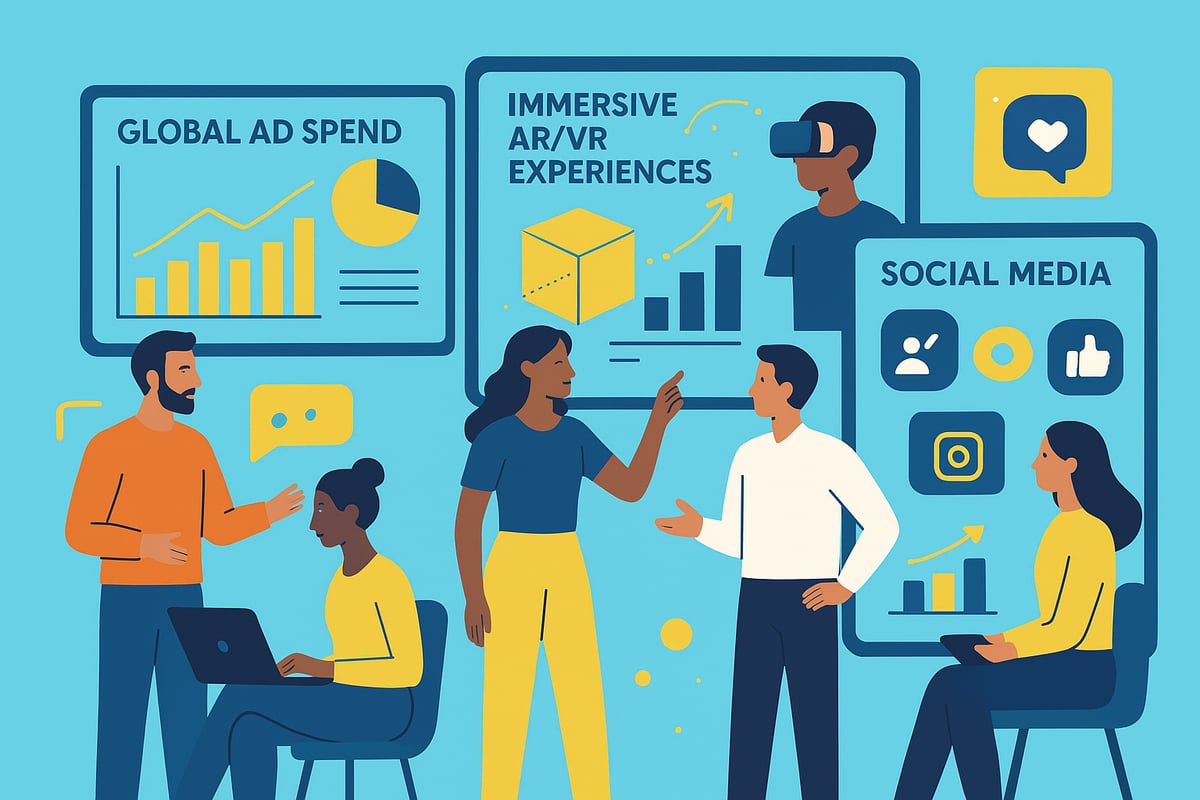
The world of digital media advertising in 2026 is defined by several powerful trends. Global digital ad spend is on an unstoppable rise, projected to surpass $2.75 trillion by 2030, with programmatic advertising expected to account for nearly 97 percent of all global display ad spending. For a deeper look at these forecasts, consult the Digital Media Outlook 2022–2026.
Privacy-first advertising is taking center stage. Stricter data regulations and increasing consumer demand for transparency are pushing marketers to rethink targeting strategies, focusing more on consent, anonymization, and ethical data use.
Immersive experiences are mainstream. Augmented reality (AR), virtual reality (VR), and interactive ad formats are becoming essential tools for engagement, allowing brands to create memorable, hands-on experiences. These innovations are particularly prominent on mobile and social platforms, which now reach over 5.25 billion active users worldwide.
Native advertising and branded storytelling continue to flourish, blending content seamlessly within user experiences. At the same time, the integration of artificial intelligence and machine learning is revolutionizing campaign management, enabling hyper-targeted, data-driven digital media advertising.
Progressive web apps (PWAs) are also gaining traction, delivering fast, app-like experiences within browsers and enhancing cross-device engagement.
Major Platforms and Channels
In 2026, success in digital media advertising depends on mastering a diverse array of platforms and channels. Industry leaders like Google, Meta (Facebook and Instagram), TikTok, YouTube, X, and Snapchat dominate the landscape, each offering unique opportunities for audience engagement.
An effective strategy is rooted in an omnichannel approach. This means blending search, display, social, video, and emerging platforms to reach users wherever they are. Omnichannel strategies drive consistency and help brands stay top-of-mind throughout the customer journey.
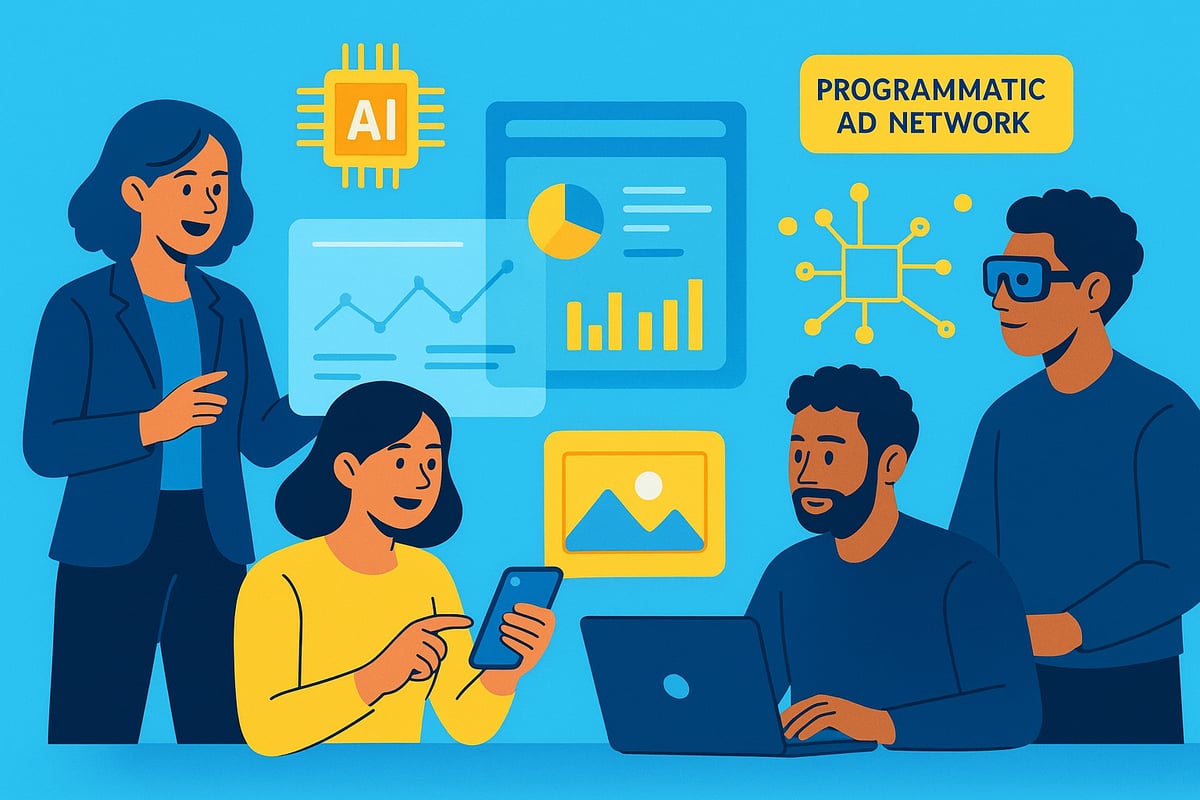
Programmatic ad networks and demand-side platforms (DSPs) are now the backbone of digital media advertising. These systems automate the buying, placement, and optimization of ads, allowing marketers to scale campaigns with precision and efficiency. As automation increases, brands can focus more on creativity and strategy rather than manual processes.
The rapid evolution of these platforms demands that marketers continuously evaluate where their audiences are most active. Staying agile and adapting to new channels is vital for maintaining relevance and competitive edge in the digital space.
Evolving Consumer Behaviors
Consumer expectations are evolving just as quickly as the technology behind digital media advertising. Personalization, relevance, and authenticity are non-negotiable. Audiences are drawn to campaigns that reflect their interests, values, and behaviors, making data-driven segmentation and dynamic creative crucial.
Video content is king, especially in short-form and interactive formats. Platforms like TikTok and Instagram Reels are setting the tone for what resonates, while interactive ads invite users to participate, not just observe.
Seamless ad experiences across devices are now expected. Consumers want ads that fit naturally into their browsing and social interactions, without disruption or intrusion. Whether on mobile, desktop, or within apps, consistency and quality are key.
To thrive in digital media advertising, brands must put the user at the center, delivering campaigns that are both engaging and respectful of privacy. This customer-centric mindset is what will define the winners in 2026 and beyond.
Essential Technologies Powering Digital Media Advertising
The technology driving digital media advertising in 2026 is advancing at remarkable speed. Businesses must embrace these innovations to remain competitive and achieve measurable results. This section explores the key tools and platforms that are shaping the future of digital media advertising, ensuring campaigns are smarter, faster, and more effective.
Artificial Intelligence and Machine Learning
Artificial intelligence is fundamentally transforming digital media advertising by enabling predictive analytics, automated bidding, and real-time campaign adjustments. Brands can now harness generative AI to create and test multiple ad variations, improving creative performance while saving time.
AI-driven marketing assistants, such as Albert and Basis by Centro, help manage complex PPC and display campaigns. For example, Google Performance Max uses machine learning to optimize ad delivery across Search, YouTube, and Display, maximizing campaign reach and efficiency.
According to Digital Advertising Trends 2026, AI integration is driving hyper-targeted, data-driven digital media advertising strategies that deliver superior ROI. As AI continues to evolve, expect even more personalized and responsive campaigns.
Automation and Programmatic Advertising
Automation is at the heart of digital media advertising efficiency. Programmatic platforms automate audience targeting, ad placements, and budget management, allowing marketers to scale campaigns quickly.
The dominance of programmatic advertising is clear, accounting for nearly 97 percent of global display ad spend. Tools like Google AdSense and Performance Max make it possible to run campaigns with minimal manual intervention, using data-driven insights to maximize impact.
Benefits include increased precision, cost savings, and the ability to adjust strategies in real time. As automation becomes more advanced, digital media advertising will grow even more accessible and profitable for businesses of any size.
Augmented Reality (AR) and Virtual Reality (VR)
Immersive experiences are redefining digital media advertising in 2026. Augmented reality and virtual reality formats enable brands to create interactive, memorable campaigns that engage audiences on a deeper level.
Major platforms like Snapchat offer AR filters, while Meta is expanding VR environments for branded storytelling. Brands use AR for product try-ons, interactive games, and experiential storytelling, making ads both entertaining and informative.
As AR and VR technologies become mainstream, digital media advertising will focus increasingly on creating authentic, participatory brand experiences that resonate across demographics.
Progressive Web Apps (PWAs)
Progressive web apps are changing the way users interact with digital media advertising on mobile devices. PWAs deliver fast, app-like experiences directly in the browser, eliminating friction and boosting engagement rates.
This technology allows brands to reach consumers seamlessly across devices, improving ad performance and retention. Marketers benefit from enhanced analytics and the ability to deploy rich media ads within lightweight, high-performing environments.
PWAs are essential for businesses seeking to optimize digital media advertising campaigns for the mobile-first audience of 2026.
Advanced Email and CRM Technologies
Email and CRM technologies now offer sophisticated tools for segmentation and targeting in digital media advertising. AI-powered platforms use authentication methods like BIMI to boost deliverability and trust.
Features such as send-time optimization and dynamic content personalization ensure that each message reaches the right user at the perfect moment. This level of precision drives higher open rates, conversions, and long-term customer loyalty.
As data privacy regulations evolve, leveraging advanced email and CRM tools will be crucial for maintaining compliance and maximizing the impact of digital media advertising.
Building a Winning Digital Media Advertising Strategy: Step-by-Step
In 2026, success in digital media advertising demands a strategic, data-driven approach that adapts to rapid change. With new technologies, platforms, and consumer expectations shaping the landscape, businesses must follow a proven step-by-step process to achieve real results. This section provides a clear blueprint for building campaigns that drive measurable impact.
Step 1: Defining Goals and Target Audiences
Start by clarifying your campaign objectives. Are you aiming for brand awareness, lead generation, or direct sales? Set specific, measurable goals aligned with your broader business strategy.
Next, conduct thorough audience research. Use both first-party and third-party data to build detailed personas. Analyze demographics, behaviors, and preferences to understand what motivates your ideal customer.
Leverage AI-powered tools to segment audiences more precisely. Predictive algorithms can identify high-value segments and forecast their likely actions. This ensures your digital media advertising targets the right people with the right message.
- Set SMART objectives (Specific, Measurable, Achievable, Relevant, Time-bound)
- Map customer journeys for each persona
- Use surveys and analytics for deeper insights
A strong foundation in audience definition drives campaign relevance and effectiveness.
Step 2: Selecting the Right Platforms and Formats
Choosing the appropriate channels is crucial for maximizing the impact of digital media advertising. Match your campaign goals and audience preferences to the strengths of each platform.
For example, TikTok excels with Gen Z through short-form video, while LinkedIn is powerful for B2B outreach. Evaluate ad formats such as video, display, native, social, AR, and in-app to find the best fit.
Embrace an omnichannel approach to ensure consistent messaging and seamless experiences. Integrate search, social, display, and emerging platforms to expand reach.
- Assess platform demographics and user intent
- Experiment with interactive and immersive formats
- Coordinate creative assets for cross-channel consistency
Selecting the right mix helps you optimize performance and stay agile as new platforms emerge.
Step 3: Crafting High-Impact Creative and Messaging
Creative excellence is the heart of digital media advertising. Focus on storytelling, personalization, and relevance to capture attention and inspire action.
Use dynamic creative tools to tailor messaging for different segments. Incorporate video and interactive elements to boost engagement. Native advertising blends brand messages with editorial content for authenticity and trust.
Explore industry-specific approaches to messaging by consulting resources like Advertising Messaging Strategies 2026, which highlights creative trends and proven tactics.
- Tell stories that resonate emotionally
- Personalize content based on user data
- Test variations with A/B experiments
Strong creative and messaging set your campaigns apart in a crowded digital space.
Step 4: Leveraging Automation and AI for Campaign Management
Automation is essential for scaling digital media advertising efficiently. Set up programmatic campaigns to automate audience targeting, placement, and bidding.
AI-powered platforms can make real-time adjustments based on performance. Use automated rules to pause underperforming ads or reallocate budget to high-performing segments.
Consolidate your campaigns to provide robust conversion data for machine learning systems. This enables ongoing optimization and better results over time.
- Implement programmatic buying for efficiency
- Use AI to analyze and optimize creative
- Monitor results with centralized dashboards
Automation allows your team to focus more on strategy and less on manual tasks.
Step 5: Budgeting, Bidding, and Spend Optimization
Effective budgeting is vital for maximizing ROI in digital media advertising. Allocate funds based on data-driven insights, considering both platform performance and audience reach.
Adopt automated bidding strategies to optimize spend in real time. Set clear caps to prevent overspending, and monitor results to adjust allocations as needed.
Evaluate cost per acquisition (CPA), return on ad spend (ROAS), and other key metrics regularly. Use these insights to refine your approach and scale what works best.
- Use historical data to inform budget distribution
- Leverage smart bidding tools for efficiency
- Review performance reports frequently
Smart budget management keeps your campaigns competitive and sustainable.
Step 6: Ensuring Privacy and Compliance
Navigating privacy regulations is a critical part of digital media advertising. Stay current with laws like GDPR and CCPA, as well as emerging standards in your target markets.
Implement consent management platforms to handle user permissions transparently. Use privacy-first tracking and measurement solutions that respect consumer expectations.
Train your team on compliance best practices to avoid legal risks. Prioritize user trust by being transparent about data usage and offering clear opt-in choices.
- Regularly audit data collection processes
- Update policies as regulations evolve
- Communicate privacy measures to your audience
A privacy-first approach secures your brand reputation and future-proofs your campaigns.
Creative Excellence: Best Practices and Inspiring Examples
In the fast-evolving world of digital media advertising, creative excellence is the linchpin for breakthrough results. As algorithms shift and platforms compete for attention, brands that master originality and authenticity stand out. Staying ahead means adapting creative strategies to both technological innovation and consumer trends. For deeper insights into adapting your creative approach to platform changes, explore Creative Advertising Amid Algorithm Shifts.

The Power of Storytelling and Native Advertising
Storytelling transforms digital media advertising from mere promotion into memorable brand experiences. Native advertising excels by weaving brand messages seamlessly into the platform’s editorial environment, fostering trust and engagement. For example, Chipotle’s “Back to the Start” animated campaign used a heartfelt narrative and sustainability message, resonating deeply with audiences.
Best practices include:
- Aligning content with audience values
- Collaborating with authentic influencers
- Prioritizing contextual relevance
By focusing on organic integration, brands can elevate digital media advertising to inspire genuine connections and long-term loyalty.
Real-Time and Event-Driven Campaigns
Reacting quickly to real-world events is a hallmark of effective digital media advertising. Real-time campaigns leverage cultural moments, trending topics, or live events for instant impact. Oreo’s iconic “You Can Still Dunk in the Dark” tweet during the Super Bowl blackout is a prime example of agile creativity seizing the moment.
Key tactics include:
- Monitoring live events and social trends
- Preparing flexible creative assets
- Empowering teams for rapid approvals
This approach keeps digital media advertising timely, relevant, and highly shareable, amplifying reach beyond paid placements.
Personalization and User-Generated Content
Personalization is increasingly central to digital media advertising, driving higher engagement and conversion rates. Brands now encourage audiences to co-create content, fostering deeper connections and authenticity. Airbnb’s post-pandemic user-generated content campaigns built trust by showcasing real guest experiences and local stories.
Effective personalization strategies include:
- Dynamic creative tailored to user segments
- Soliciting reviews, photos, or stories from consumers
- Featuring user content in ad campaigns
Incorporating real voices and experiences strengthens digital media advertising, making campaigns more relatable and persuasive.
Geo-Targeting and Mobile-First Creativity
Geo-targeting allows digital media advertising to deliver hyper-relevant offers, maximizing campaign efficiency. Mobile-first creativity is essential as users increasingly engage through smartphones. Burger King’s “Whopper Detour” campaign, which used app-based geo-targeting to lure customers to nearby locations, exemplifies this approach.
Best practices involve:
- Designing ads for vertical, mobile screens
- Leveraging location data for personalized messaging
- Testing proximity-based offers
This strategy ensures digital media advertising reaches audiences where they are, increasing both engagement and conversion.
Video and Interactive Formats
Video and interactive formats have become the cornerstone of digital media advertising in 2026. Short-form and vertical videos, optimized for sound-off playback and subtitles, capture attention in crowded feeds. Interactive ads and gamified experiences invite users to participate, making campaigns more memorable.
Key recommendations:
- Use concise storytelling in video
- Add interactive elements like polls or quizzes
- Optimize for platform-specific behaviors
With these tactics, digital media advertising not only entertains but also drives measurable actions, setting brands apart in a competitive digital ecosystem.
Measuring Success: Analytics, Attribution, and Optimization
In 2026, the ability to measure and optimize digital media advertising is a decisive factor for business growth. Modern campaigns demand precision, insight, and agility. By leveraging advanced analytics, attribution models, and optimization strategies, marketers can ensure every dollar invested in digital media advertising delivers measurable returns.
Key Metrics and KPIs
Successful digital media advertising hinges on tracking the right metrics. Marketers must focus on both traditional and engagement-based KPIs to understand performance.
| Metric | Description | Why It Matters |
|---|---|---|
| Impressions | Number of ad views | Indicates reach |
| Clicks | User interactions | Measures interest |
| Conversions | Desired actions (e.g., sales) | Direct impact on ROI |
| CPA | Cost per acquisition | Efficiency of ad spend |
| ROAS | Return on ad spend | Profitability assessment |
| Engagement Rate | Views, shares, interactions | Creative effectiveness |
Short-form video and interactive content require deeper engagement tracking. By aligning these KPIs with campaign goals, digital media advertising efforts remain focused and effective.
Advanced Attribution Models
Attribution models provide clarity on how each touchpoint contributes to conversions. In 2026, multi-touch attribution is essential for mapping complex customer journeys across channels.
AI-driven attribution models analyze data patterns beyond human capability. These systems assign credit to ad interactions based on real-time behavior and predictive analytics. Marketers are increasingly utilizing programmatic platforms with built-in AI to refine their attribution strategy. For more on the evolution of programmatic and AI in attribution, see Programmatic Advertising Evolution.
Accurate attribution ensures digital media advertising budgets are allocated to the most impactful channels, maximizing results.
Tools and Dashboards
Data-driven decisions rely on robust analytics platforms. Leading tools like Google Analytics 4, Adobe Analytics, and platform-native dashboards offer real-time reporting and visualization.
Integrating data from multiple channels is critical for a unified view of digital media advertising performance. Marketers often use custom dashboards to monitor KPIs and trends in one place, enabling quick pivots and strategic adjustments.
Effective use of these tools empowers teams to translate raw data into actionable insights that enhance campaign outcomes.
Continuous Optimization
Optimization is an ongoing process in digital media advertising. A/B testing remains foundational, helping marketers refine creative, messaging, and targeting.
AI-powered systems accelerate optimization by identifying underperforming segments and suggesting improvements. Marketers should review results regularly, implement changes, and iterate based on performance data.
Continuous optimization ensures campaigns remain competitive, relevant, and aligned with evolving audience preferences across digital media advertising channels.
Future-Proofing Your Digital Advertising in 2026 and Beyond
Staying ahead in digital media advertising means embracing change before it happens. As 2026 approaches, industry leaders are rethinking their strategies to ensure campaigns remain effective, ethical, and relevant. The pace of innovation is intense, so a proactive approach is essential for long-term growth.
Adapting to Emerging Technologies
Emerging technologies are transforming digital media advertising at every level. Brands are already leveraging AR and VR to create immersive ad experiences that go beyond traditional formats. Voice search and connected devices are also expanding the ways audiences interact with content.
To stay competitive, marketers should monitor new platforms and experiment with interactive formats. For a deeper look at how top brands are preparing for these changes, explore the Top Marketing Trends for 2026. The key is agility—adapting quickly as new innovations emerge.
Navigating Privacy and Data Changes
Data privacy remains a cornerstone of digital media advertising. With stricter regulations and shifting consumer attitudes, brands must pivot to first-party data strategies and privacy-first measurement. Consent management platforms and transparent data practices will build trust and ensure compliance.
Consider using privacy-enhancing technologies and regularly updating your approach as laws evolve. This proactive stance not only protects your brand but also reassures customers that their data is handled responsibly.
Building Brand Trust and Authenticity
Trust is the currency of digital media advertising in 2026. Audiences expect honesty, transparency, and real value from brands. Ethical advertising practices, clear disclosures, and open communication will set you apart in a crowded marketplace.
Encourage user-generated content and community engagement to foster genuine connections. When audiences see themselves reflected in your campaigns, authenticity follows. Value-driven messaging and responsible storytelling deepen brand loyalty.
Continuous Learning and Innovation
The digital media advertising landscape never stands still. Teams should invest in ongoing training, attend industry events, and track platform updates. Experimenting with new tools and creative formats can uncover fresh opportunities.
Encourage a culture of curiosity and adaptability. Regularly review analytics to identify trends and areas for improvement. By prioritizing learning, your organization remains prepared for whatever the future holds.
Integrating with Broader Marketing Strategies
Digital media advertising works best when aligned with content marketing, SEO, and branding. Integrated campaigns create seamless experiences that guide audiences from discovery to conversion.
Collaborate across departments to ensure messaging is consistent and channels reinforce one another. When digital media advertising supports your overall marketing objectives, you amplify results and future-proof your strategy.
As we look ahead to the dynamic world of digital media advertising in 2026, it’s clear that staying agile and embracing innovation will set you apart. You now have the insights and strategies needed to make informed decisions—from leveraging AI and immersive platforms to measuring real impact and protecting user privacy. If you’re ready to elevate your brand with creative solutions tailored to your goals, let’s keep the conversation going. I’d love to learn more about your vision and help you navigate the evolving landscape with confidence. Let’s Connect