If you thought marketing moved fast in 2025, buckle up: 2026 is shaping up to be a year where technology, creativity, and human behavior collide in fascinating new ways. We’re entering an era defined by hyper-personalization, immersive content, audience-first strategy, and tighter expectations around data transparency.
Before we dive in, you can check out our deeper explainer on modern geofencing strategies and where they sit in the marketing funnel for added context because location-based marketing shows up more than once in these trends.
Here are the top six marketing trends for 2026, explained simply, strategically, and with plenty of inspiration for what to do next.
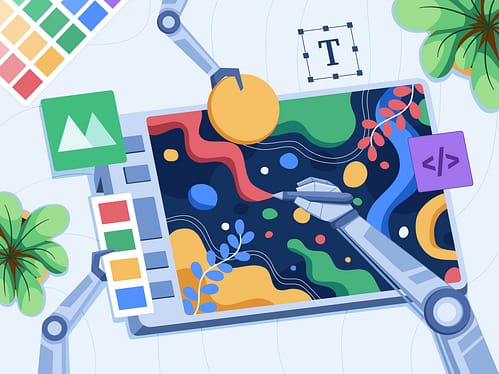
1. AI-Assisted Creativity Becomes the New Normal (But Human Strategy Wins the Day)
For years, marketers have debated whether AI would replace creativity or enhance it. In 2026, we finally have the answer: AI is your creative co-pilot—not the pilot.
Industry research from Deloitte’s 2025 Digital Media Trends shows that marketing teams using AI to accelerate production see higher campaign iteration rates and faster go-to-market timelines. But the brands that stand out? They still rely heavily on human-driven insight, cultural relevance, and storytelling.
What this looks like in practice:
-
Using AI tools to create multiple ad variations based on a single concept (and testing them rapidly).
-
Using predictive analytics to map out content topics months before audiences start searching.
-
Building dynamic landing pages and email sequences that adapt to real-time user behavior.
-
Creating video and social assets faster with AI-assisted editing and scripting.
But the heart of your marketing still needs a human. Voice. Style. Humor. Timing. Brand intuition. Those are things algorithms can’t replicate.
What to do in 2026:
Lean into AI for efficiency, but invest even more deeply in brand voice, storytelling, and strategy, the things that make you impossible to copy.
2. Hyper-Local Targeting Evolves: Geofencing, AEO, and Physical-World Attribution
Consumers are more connected to their local communities than ever, and marketing platforms have responded with smarter geofencing, improved audience modeling, and better attribution between digital ads and real-world actions.
Tools like GroundTruth and Precisely Places now make it easy for even small businesses to see how online ads lead to in-store visits, service appointments, or walk-in traffic.
Brands can measure:
-
When someone who viewed an ad walked into a business
-
Which physical locations produce the best-performing audiences
-
How dwell time correlates with purchase intent
-
Whether drive-by impressions lead to digital actions
And these capabilities get more accessible every year, especially for retail, restaurants, healthcare, real estate, law firms, and home services.
What to do in 2026:
If you haven’t experimented with geofencing, make this the year. It’s becoming a baseline expectation, not an advanced strategy.

3. Trust Marketing: Transparency, Proof, and “Show Me, Don’t Tell Me” Messaging
As someone born in the “Show Me State” of Missouri (Go Chiefs!), we’ve always been a little skeptical of casual claims. And now, more than ever, we’re not alone. Consumers in 2026 are more skeptical, better informed, and quicker to compare brands than any generation before them. But they’re also more loyal once they trust you.
This is where Trust Marketing comes in, It’s a shift validated in HubSpot’s 2025 State of Marketing Report, which found that transparency-driven content consistently scores higher in both engagement and conversion.
Brands are winning with:
-
Unfiltered behind-the-scenes content
-
Radically clear pricing and packages
-
Data-backed proof-of-performance content
-
Case studies and customer stories that show real outcomes, not vague claims
Trust used to be built by polish and perfection. In 2026, it’s built by clarity and authenticity.
What to do in 2026:
Show your work. Build campaigns that prove, not just promise, your value.
4. Search Is Transforming Again—And Brands Must Shift From SEO to AEO
Search is experiencing its biggest shake-up since the mobile-first era. With conversational AI assistants becoming primary search tools, marketers must shift beyond SEO into AEO (Answer Engine Optimization).
People want answers, not lists.
Platforms like Perplexity and Google’s AI Overviews are rewriting the way consumers discover information, compare options, and make buying decisions. This means:
-
Content must answer specific, conversational queries
-
Schema and structured data matter even more
-
Expertise and verifiable sources are rewarded
-
AI-ready formatting becomes essential
Brands who adapt early will dominate search visibility, particularly in industries where accuracy matters—legal, real estate, healthcare, financial services, and home services.
What to do in 2026:
Write content that answers questions clearly and cites credible sources. Make it easy for AI to understand and trust your content.
5. Social Media Splits Into Two Worlds: Entertainment Platforms vs. Community Platforms
For years, “social media” was treated like one big ecosystem. But in 2026, it officially splits into two distinct content worlds:
Entertainment Platforms
(Instagram, TikTok, YouTube)
These reward bold creative, scroll-stopping content, humor, and snackable education.
Community Platforms
(Facebook Groups, Reddit, Discord, LinkedIn Communities, niche forums)
These reward conversation, belonging, peer validation, and depth.
This division is so pronounced that Social Media Examiner’s 2025 Industry Report dedicates an entire section to entertainment vs. community consumption patterns.
Winning brands will build two strategies:
#1 – Entertain me – attention-grabbing creative
#2 – Engage me – deeper, relationship-building content
It’s the biggest mindset shift in social since the rise of Stories.
What to do in 2026:
Don’t try to make every platform do everything. Build content for the role that platform plays.

6. The Rise of Empathy-Driven Personalization: Your Audience Wants to Feel Known, Not Followed
Personalization is evolving from data-driven to empathy-driven.
Today’s consumers want recommendations that feel helpful, not invasive. Predictive marketing, when done well, supports the customer journey without feeling like surveillance.
This shift is heavily supported by McKinsey’s research on personalization at scale, which shows that empathetic personalization significantly lifts retention, loyalty, and customer lifetime value.
Empathy-driven personalization uses:
-
Context clues, not creepy tracking
-
Predictive modeling based on helpful patterns
-
Lifecycle-based communication
-
Clear value in exchange for data
This is where AI shines—but empathy is the differentiator.
What to do in 2026:
Build personalization rules based on relevance and helpfulness, not intrusion. When your marketing feels human, people respond.
So, What Does All This Mean for 2026 Marketers?
It means the brands that win this year aren’t necessarily spending the most, they’re adapting the fastest.
To recap:
#1 – AI assists creativity; humans lead strategy.
#2 – Geofencing and real-world attribution get smarter and more accessible.
#3 – Trust marketing becomes the ultimate differentiator.
#4 – AEO becomes essential as AI-first search grows.
#5 – Social splits into entertainment vs. community.
#6 – Empathy-driven personalization reigns.
If you want more on how to implement these trends, you can dive into our full-service marketing capabilities and strategy approach.
As 2025 comes to a close, smart marketers aren’t preparing for the future. They’re already building it.