

“Mary” had been running her boutique skincare line for two years when she finally invested in a real brand identity. She hired a talented graphic designer, one who came with a polished portfolio and glowing reviews, and the result was genuinely beautiful. Soft watercolor backgrounds, an elegant serif logotype, a color palette that felt expensive. Her packaging looked like it belonged on the shelves at Nordstrom.
The problem was, it didn’t sell.
Her conversion rate on her website hovered around one percent. Her ads got compliments in the comments and almost no clicks. Her emails had high open rates and low click-throughs. The design was stunning. The business was stalling. What Mary had invested in was good design. What she needed was strategic creative.
The distinction between the two is one of the most important, and most misunderstood, concepts in marketing. Getting it right is the difference between a brand that turns heads and a brand that actually turns revenue.
What Good Design Actually Is (And Why It’s Not Enough)
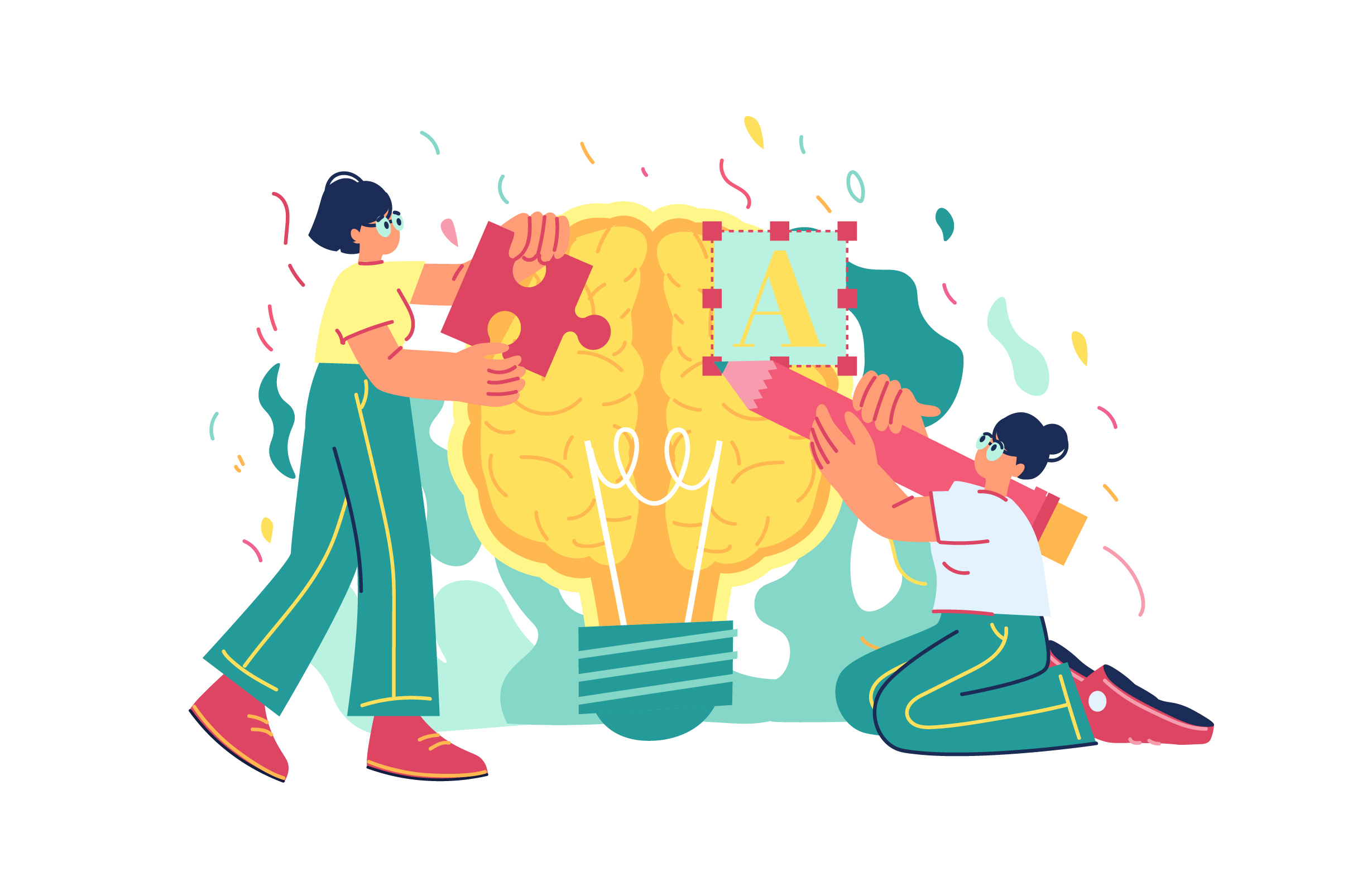
Good design, in the traditional graphic design sense, is about craft. It’s the mastery of visual principles: typography, color theory, balance, proportion, white space, and composition. A skilled graphic designer can take a blank canvas and produce something that is aesthetically harmonious, visually sophisticated, and technically polished.
That matters. Visual credibility is real. Research from the Stanford Web Credibility Project found that 46.1 percent of people evaluate a website’s trustworthiness based in part on the appeal of its visual design. First impressions form fast; a study published in Behaviour & Information Technology found users reach a verdict about a website in approximately 50 milliseconds. A visually weak brand pays a credibility penalty before a single word is read.
But here is the gap that costs business owners real money: good design optimizes for beauty. Strategic creative optimizes for behavior.
What Strategic Creative Actually Means
Strategic creative starts somewhere entirely different from a blank canvas. It starts with a business objective and an audience.
Before a single layout is sketched, strategic creative asks: Who is this for, specifically? What do they already believe, and what objection is blocking their next action? What is the single thing this piece of creative must make them do? How does it fit into the broader marketing funnel? Only after those questions are answered does the visual execution begin, and at that point, every design decision, from the color of a button to the size of a headline, is made in service of a measurable goal.
As SketchDeck describes the distinction, all marketing designers are graphic designers, but not all graphic designers are marketing designers. The craft is the same. The brief is entirely different.
The Conversion Evidence Is Not Subtle
The most rigorous proof that strategic creative outperforms aesthetic design comes from controlled A/B testing, because it isolates design variables from everything else. The results are consistently striking.
In one widely studied case, changing a call-to-action button from green to red on a page that was otherwise green-dominant produced a 21 percent increase in clicks. The lesson is not that red buttons are magic. The lesson is that contrast, a strategic decision, created visual urgency that a complementary color choice had been quietly suppressing. Beauty had been working against conversion.
VWO documented a case for Yuppiechef in which removing the site’s navigation menu from a single landing page, eliminating every distraction between the visitor and the sign-up form, doubled the conversion rate from 3 percent to 6 percent. The page became less designed in the decorative sense. It performed twice as well.
At the macro level, the data from McKinsey’s The Business Value of Design, which tracked more than 300 companies over five years, found that top-quartile design performers saw 32 percentage points higher revenue growth and 56 percentage points higher total shareholder returns than their industry peers. The Design Management Institute’s Design Value Index, tracking design-led companies over a decade, found they outperformed the S&P 500 by 228 percent. Strategy-first creative is not a soft advantage. It is a compounding financial one.

The Levers That Actually Move Conversions
Strategic creative works by engineering specific psychological and behavioral responses. The levers that drive those responses are well-documented.
Visual hierarchy guides the eye to the most important element first. Without it, a viewer experiences cognitive overload and leaves before the message lands. Strategic hierarchy sequences attention: headline to subhead to supporting proof to call to action, in that order, every time.
Friction reduction is where enormous sums are left on the table. The Baymard Institute, which has tracked e-commerce checkout behavior across decades of research, puts the global average cart abandonment rate at 70.19 percent. Their analysis concludes that the average large e-commerce site can recover 35.26 percent of those conversions through better checkout design alone. That is not a branding problem. It is a strategic creative problem.
Call-to-action design concentrates persuasion into a single moment. The copy, size, color, placement, and surrounding white space around a CTA are among the highest-leverage variables in any marketing asset. Treating them as a finishing aesthetic touch is one of the most expensive mistakes in marketing design.
What This Looks Like in Practice
Strategic creative is not a style. It is a process. It means that before a website is designed, someone has mapped the user journey and defined what action each page must drive. It means that before an ad goes to a designer, someone has written the audience insight, the emotional trigger, and the desired response. It means that after the creative launches, someone measures the result, and the next version is informed by that data.
We covered the visual mechanics behind this in detail in our post on the neuroscience behind why great advertising design sells, and the structural decisions that separate high-performing digital assets from decorative ones in our breakdown of what a high-converting website design actually looks like. The pattern is consistent: the sites and ads that convert at the highest rates are not necessarily the most beautiful ones. They are the most intentional ones.
It is also worth noting that this is not an argument against beautiful work. The best strategic creative is both. Visual sophistication builds trust; strategic structure drives action. The point is which one leads the brief. When beauty leads, you get Mary’s skincare packaging. When strategy leads, and craft executes it brilliantly, you get a brand that is genuinely compelling and genuinely profitable.
The Brief Is Where It Starts
McKinsey’s research surfaced a finding that should give every business owner pause: more than 40 percent of companies surveyed were not talking to their end users during the design process. That single gap, the absence of audience insight at the brief stage, is what separates decoration from strategy.
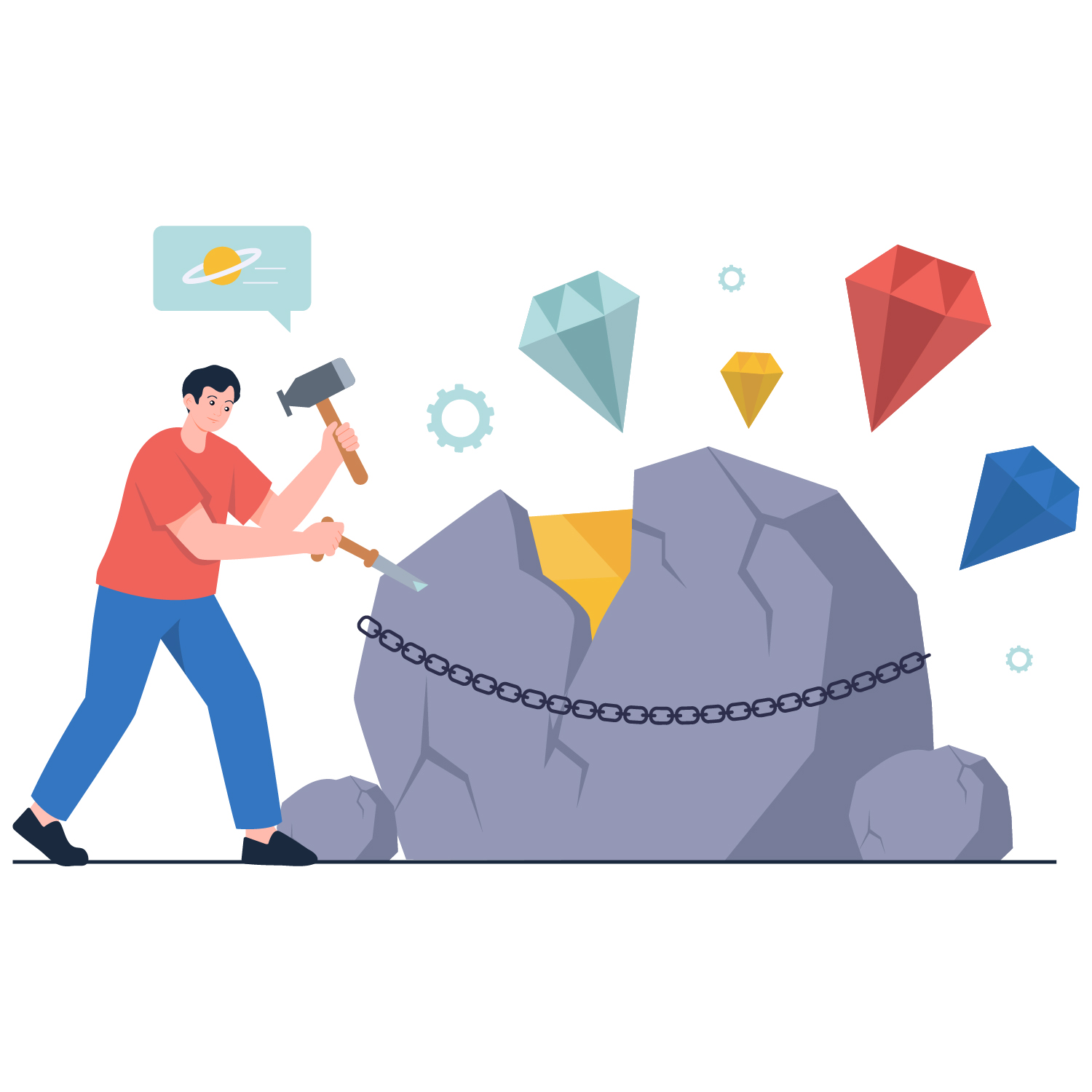
If you are briefing a designer or agency with a mood board and a color palette but without a defined audience, a specific goal, and a measurable outcome you intend to track, you are buying graphic design. You may get something beautiful. You are unlikely to get something that consistently converts.
The question to ask before any creative project begins is not “How should this look?” It is “What do we need this to do, and for whom?” Every visual decision that follows should be answerable to that question. That is what makes creative strategic, and that is what makes strategic creative the most valuable marketing investment a growing business can make.
Understanding how your brand identity feeds into this process is also essential. We explored that foundation in Your Brand Isn’t Your Logo. Here’s What Actually Matters. Because strategic creative cannot do its job if the brand underneath it is undefined.
If you need help developing strategic creative that actually converts, we can help. Let’s connect.