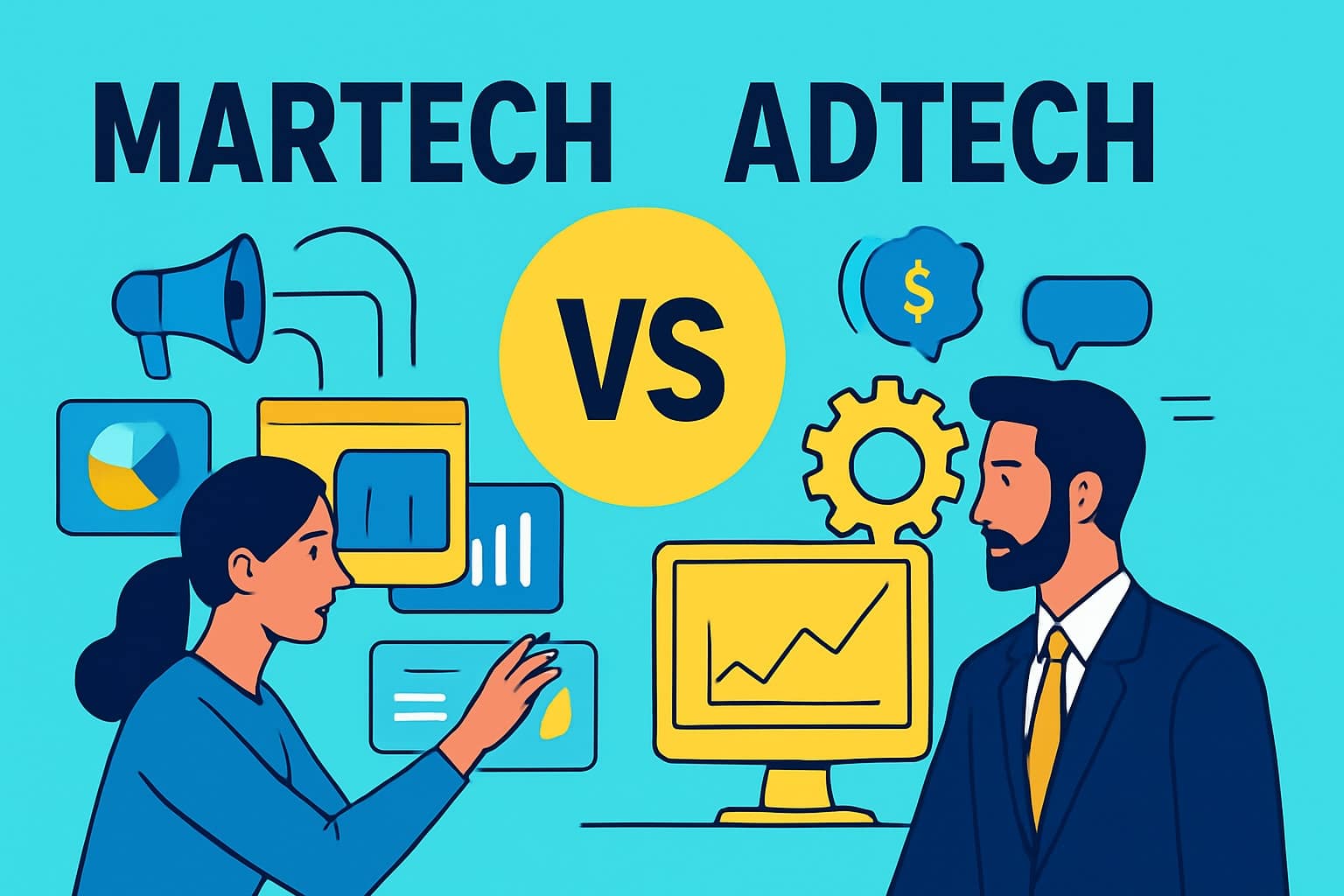
Navigating the digital landscape in 2026 can be overwhelming, especially as the lines between MarTech and AdTech blur. Many organizations struggle to distinguish between these essential tools as strategies and platforms evolve. This article demystifies the martech adtech debate, empowering you to make informed technology investments that drive real business results.
We will define each term, break down core functions, compare platforms, examine audiences and billing models, and explore where they overlap and diverge. Mastering both is crucial for success. Let’s unravel the confusion and discover actionable insights to elevate your marketing strategy.
Understanding MarTech: Definition, Scope, and Core Functions
MarTech, short for Marketing Technology, is transforming how businesses approach customer engagement and retention. As the digital landscape becomes more complex, organizations rely on the right mix of martech adtech to streamline operations and maximize returns. Understanding MarTech’s role within this ecosystem is essential for any brand looking to future-proof its marketing strategy.
What is MarTech?
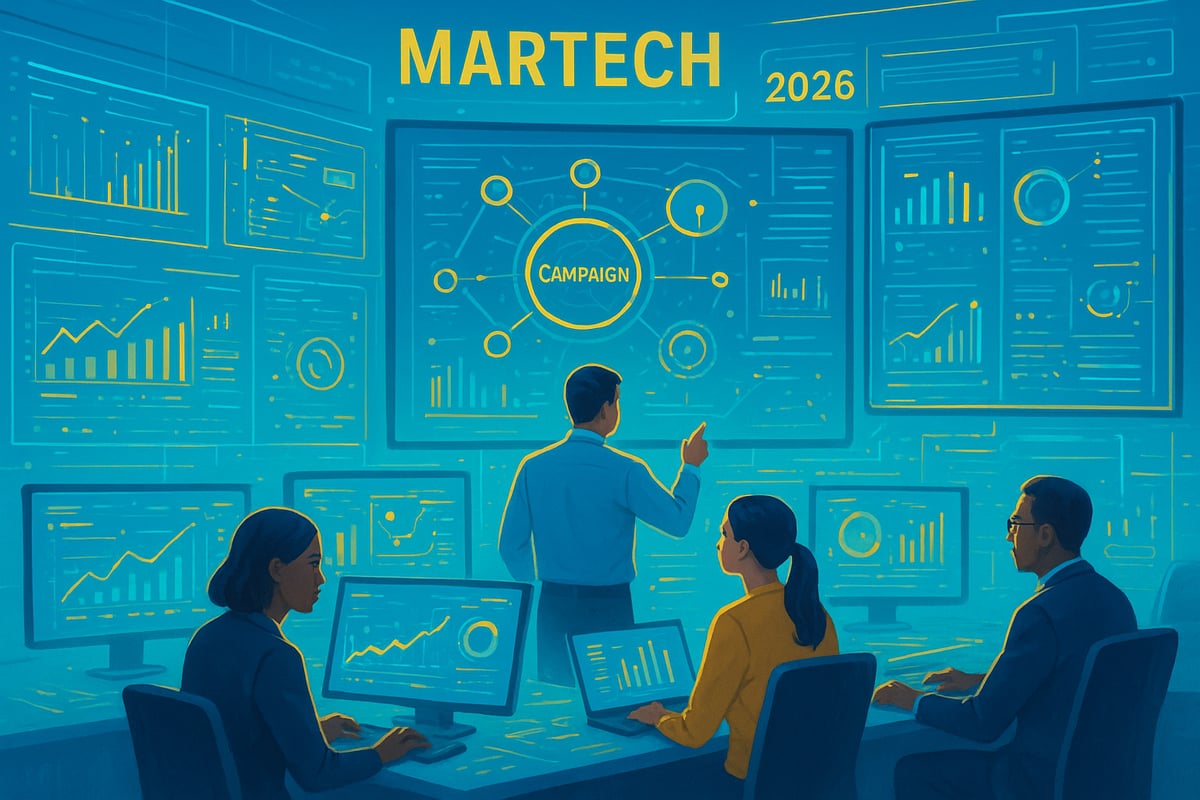
MarTech, or Marketing Technology, refers to the suite of digital tools that streamline, automate, and analyze marketing processes. Its primary aim is to help organizations deliver the right message to the right audience at the right time. Over the past decade, MarTech has evolved from simple email automation into highly integrated ecosystems that connect every touchpoint in the customer journey.
Today’s MarTech solutions range from content management systems to advanced analytics platforms, driving omnichannel marketing strategies. The main objective is to enhance engagement, increase retention, and improve marketing ROI. According to Statista, 26.6% of global marketing budgets are now allocated to MarTech, reflecting its growing importance.
MarTech’s influence extends throughout the customer lifecycle, supporting personalized experiences and long-term loyalty. As martech adtech solutions become more intertwined, understanding MarTech’s core functions is vital for effective digital strategy. For a deeper look at market trends, see the MarTech market size and growth forecast.
Key MarTech Platforms and Tools
A robust MarTech stack empowers marketers to execute, measure, and optimize campaigns efficiently. Common platforms include:
- Content Management Systems (CMS): Tools like WordPress and Drupal enable website creation, updates, and content publishing.
- Customer Relationship Management (CRM): Platforms such as Salesforce and HubSpot help manage leads, segment audiences, and nurture relationships.
- Marketing Automation: Solutions like Pardot and Act-On automate multi-channel campaigns and personalize messaging.
- Web Analytics: Google Analytics and Adobe Analytics track user behavior, conversions, and campaign performance.
- Social Media Management: Hootsuite and Buffer streamline publishing, monitoring, and engagement across channels.
- SEO & Content Optimization: SEMrush and Ahrefs provide insights for search visibility and content improvement.
- Personalization Engines & A/B Testing: These tools support tailored experiences and data-driven decision-making.
The integration of these platforms allows organizations to connect disparate data sources, creating a unified view of the customer. With martech adtech convergence accelerating, the ability to select and connect the right tools is a key differentiator. Marketers must consider scalability, usability, and compatibility when building their stack.
MarTech Use Cases and Impact
MarTech delivers measurable value by driving efficiency and improving outcomes at every stage of the marketing funnel. Some of the most impactful use cases include:
- Lead Nurturing: Delivering targeted, personalized content to move prospects through the funnel.
- Campaign Automation: Streamlining repetitive tasks, freeing up resources for strategy and creativity.
- Engagement Measurement: Analyzing customer interactions to refine messaging and improve conversion rates.
- Data Integration: Combining first-party data from various sources for granular segmentation and insights.
Organizations leveraging advanced MarTech stacks report higher customer retention and stronger ROI. The integration of martech adtech enables marketers to build long-term brand loyalty while adapting quickly to market shifts. As customer expectations rise, MarTech’s role in delivering seamless, personalized journeys becomes even more critical.
Understanding AdTech: Definition, Scope, and Core Functions
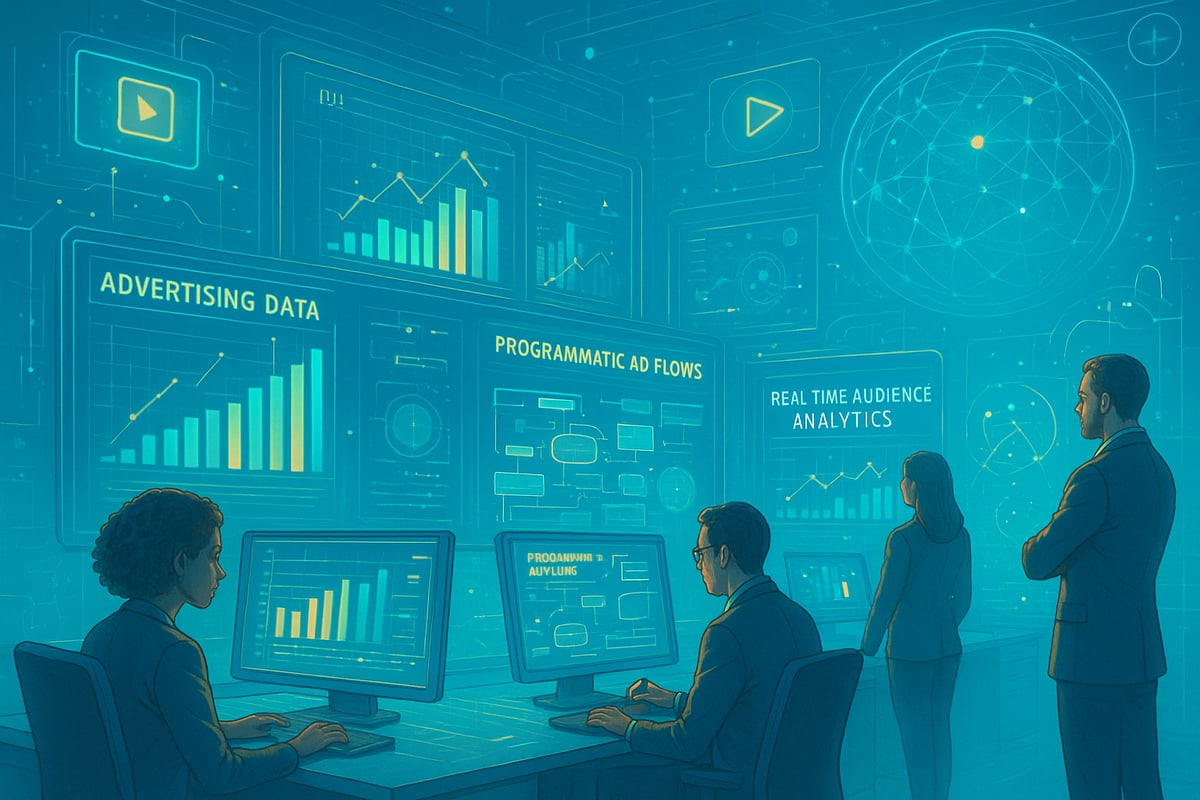
AdTech stands for Advertising Technology, a dynamic ecosystem that empowers brands to plan, buy, target, and deliver digital ads with precision. As digital channels multiply, AdTech has become the backbone of online advertising strategies, allowing businesses to reach new audiences across paid media. In 2026, the martech adtech landscape is defined by massive scale, with platforms powering billions of ad impressions every day. The core focus of AdTech is to maximize campaign reach and efficiency through data-driven targeting and automation. According to global AdTech market growth projections, the sector is expected to see robust growth, reflecting its critical role in the evolving digital economy.
Key AdTech Platforms and Tools
The martech adtech field is powered by a suite of sophisticated platforms and tools, each designed to optimize specific aspects of the digital advertising journey.
Major AdTech platforms include:
- Demand-Side Platforms (DSPs): Enable advertisers to purchase ad inventory programmatically (e.g., The Trade Desk, AppNexus).
- Supply-Side Platforms (SSPs): Allow publishers to sell ad space efficiently (e.g., PubMatic).
- Ad Exchanges: Real-time marketplaces for buying and selling ad impressions (e.g., AdX, Rubicon Project).
- Ad Servers: Manage the delivery, tracking, and reporting of digital ads.
- Data Management Platforms (DMPs): Aggregate and segment audience data from multiple sources.
- Programmatic Ad Platforms: Automate bidding and placement of ads (e.g., DoubleClick, MediaMath).
- Search Engine Marketing (SEM) Platforms: Manage paid search campaigns (e.g., Google Ads, SpyFu).
Here’s a quick comparison table of key AdTech tools:
| Platform Type | Primary User | Main Function |
|---|---|---|
| DSP | Advertiser | Buy ad inventory, target audiences |
| SSP | Publisher | Sell ad space, optimize yield |
| Ad Exchange | Both | Facilitate real-time ad transactions |
| Ad Server | Both | Deliver and track ads |
| DMP | Marketer/Advert. | Segment and manage audience data |
| SEM Platform | Advertiser | Run paid search ad campaigns |
In the martech adtech space, these platforms are increasingly integrated, supporting cross-channel advertising and advanced audience targeting. The ability to connect and leverage multiple tools is essential for executing efficient, high-impact campaigns.
AdTech Use Cases and Impact
AdTech transforms how brands connect with consumers in the digital world. Its primary use case is reaching unknown or semi-anonymous prospects through targeted display, video, and search ads.
Some key applications include:
- Real-time audience targeting: Use demographic, behavioral, and contextual data to serve relevant ads.
- Automated bidding and optimization: Leverage algorithms to maximize ad spend efficiency and ROI.
- Cross-channel campaign management: Orchestrate ads across web, mobile, and social platforms seamlessly.
- Measurement and attribution: Track performance, conversions, and optimize campaigns based on actionable insights.
For businesses navigating the martech adtech ecosystem, programmatic ad spend continues to rise, reflecting a shift toward automation and data-driven decisions. AdTech’s power lies in its ability to drive rapid customer acquisition and build brand awareness at scale. Companies that harness these tools effectively can turn anonymous visitors into loyal customers, fueling sustained business growth.
MarTech vs AdTech: 2026’s Key Differences Explained
As digital transformation accelerates, understanding the martech adtech landscape becomes essential for businesses seeking a competitive edge. In 2026, the differences between MarTech and AdTech have sharpened, yet the lines continue to blur as platforms and strategies evolve. Let’s break down the key distinctions across five core areas, providing a practical guide for informed technology decisions.
1. Purpose and Strategic Focus
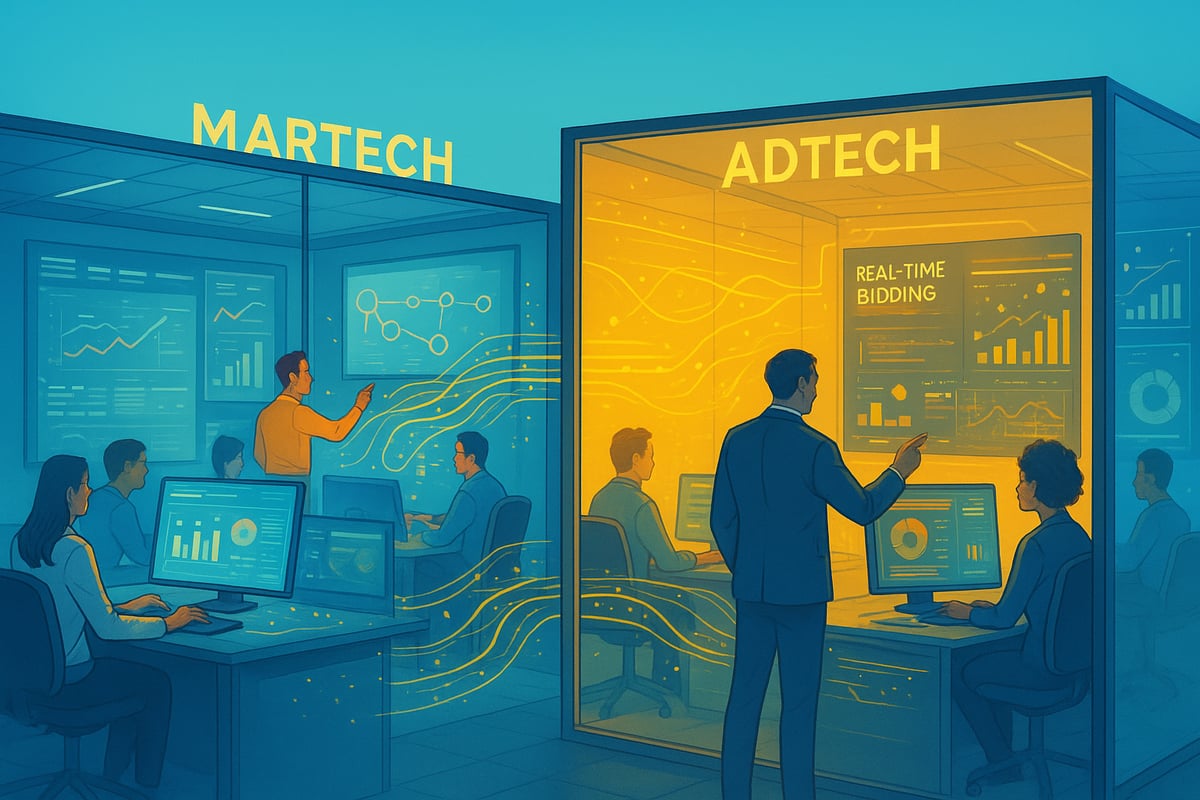
At the core, martech adtech solutions are designed to serve distinct business objectives. MarTech focuses on nurturing, engaging, and retaining known customers. Its tools support long-term relationship building and personalized marketing efforts that drive loyalty and maximize customer lifetime value.
AdTech, in contrast, is engineered for acquiring new customers and expanding reach. The primary goal is campaign delivery at scale, maximizing brand exposure through paid channels. MarTech typically powers initiatives like email campaigns or loyalty programs for existing customers. AdTech, meanwhile, enables display, video, and programmatic ads that introduce brands to new audiences.
The strategic focus of each stack shapes the tools selected and the metrics used for success. For example, a business might use MarTech to segment and engage their customer base with tailored messages, while leveraging AdTech to bring fresh leads into the funnel. In 2026, companies are increasingly combining martech adtech strategies to create seamless experiences throughout the customer journey.
2. Audiences and Data Types
MarTech and AdTech diverge sharply in the types of audiences they target and the data they use. MarTech works with known audiences: leads, prospects, and existing customers whose information—like email addresses, purchase history, or preferences—is captured as first-party data. This enables precise, one-to-one communication and deep personalization across owned channels.
AdTech, however, is designed to reach unknown or semi-anonymous users. It relies on third-party data, such as cookies, device IDs, and browsing behavior, to target audiences at scale. The martech adtech distinction here is vital: MarTech platforms like CRMs manage direct customer relationships, while AdTech platforms such as DSPs or ad exchanges identify and engage prospects who have yet to interact with the brand.
With the phasing out of third-party cookies, the value of first-party data in martech adtech strategies has surged. Businesses are investing in robust data collection and privacy compliance, ensuring they can reach both known and new audiences effectively.
3. Platforms and Technology Ecosystems
The technology ecosystems of martech adtech stacks reflect their unique functions. MarTech platforms—such as CMS, CRM, and marketing automation systems—integrate within an organization’s internal infrastructure, empowering direct communication and campaign management.
AdTech platforms, by contrast, are built for external ad buying, placement, and measurement across third-party sites and networks. These include DSPs, SSPs, ad servers, and data management platforms. AdTech often involves intermediaries like agencies and exchanges, while MarTech enables direct brand-to-consumer communication.
Here’s a quick comparison:
| Feature | MarTech | AdTech |
|---|---|---|
| Main Users | Marketers, CRM teams | Media buyers, agencies |
| Core Platforms | CMS, CRM, automation, analytics | DSP, SSP, ad server, DMP |
| Data Focus | First-party, known users | Third-party, anonymous users |
| Integration | Internal, owned channels | External, paid media |
The convergence of martech adtech is accelerating. Some platforms now offer hybrid features, and integration is a top trend. For deeper insight into these trends, see MarTech and AdTech convergence trends, which explores how technology stacks are evolving to bridge marketing and advertising functions.
4. Billing Models and Economics
Financial models further differentiate martech adtech platforms. MarTech is predominantly subscription-based, following a Software-as-a-Service (SaaS) approach with predictable monthly or annual fees. This allows for stable budgeting and long-term planning. For instance, platforms like HubSpot or Salesforce are billed at flat rates, regardless of usage.
AdTech operates on usage-based models, such as pay-per-click (PPC), cost-per-mille (CPM), or a commission on media spend. Costs can fluctuate widely, depending on campaign scale and market demand. A demand-side platform (DSP) may charge a percentage markup on ad spend, making budgeting more variable.
Interestingly, some AdTech providers are experimenting with SaaS billing to attract clients seeking predictability. As martech adtech models evolve, businesses must carefully assess which approach aligns with their financial strategy and risk tolerance.
5. Media Types and Channel Focus
The final key difference in martech adtech lies in the media channels each stack prioritizes. MarTech is centered on owned and earned media, such as websites, email, SEO, and organic social content. These channels are typically managed in-house, giving brands full control over the customer experience.
AdTech, on the other hand, is all about paid media: display ads, search ads, programmatic placements, and paid social campaigns. AdTech campaigns often involve agency partners who specialize in large-scale media buying and optimization.
In 2026, integrated campaigns are the new norm, leveraging both martech adtech to support full-funnel strategies. For example, a brand might use email marketing (MarTech) for retention while simultaneously running retargeting ads (AdTech) to re-engage lapsed users. The synergy between these approaches is driving superior outcomes and more holistic marketing success.
Overlap, Integration, and the Future of MarTech & AdTech
As the digital landscape evolves, the lines between martech adtech are blurring at an unprecedented pace. Businesses are increasingly seeking unified solutions that bridge marketing and advertising, aiming for seamless customer experiences and measurable results. Understanding where these worlds meet, the forces shaping their convergence, and how to overcome integration challenges will be critical for organizations in 2026.
Where MarTech and AdTech Intersect
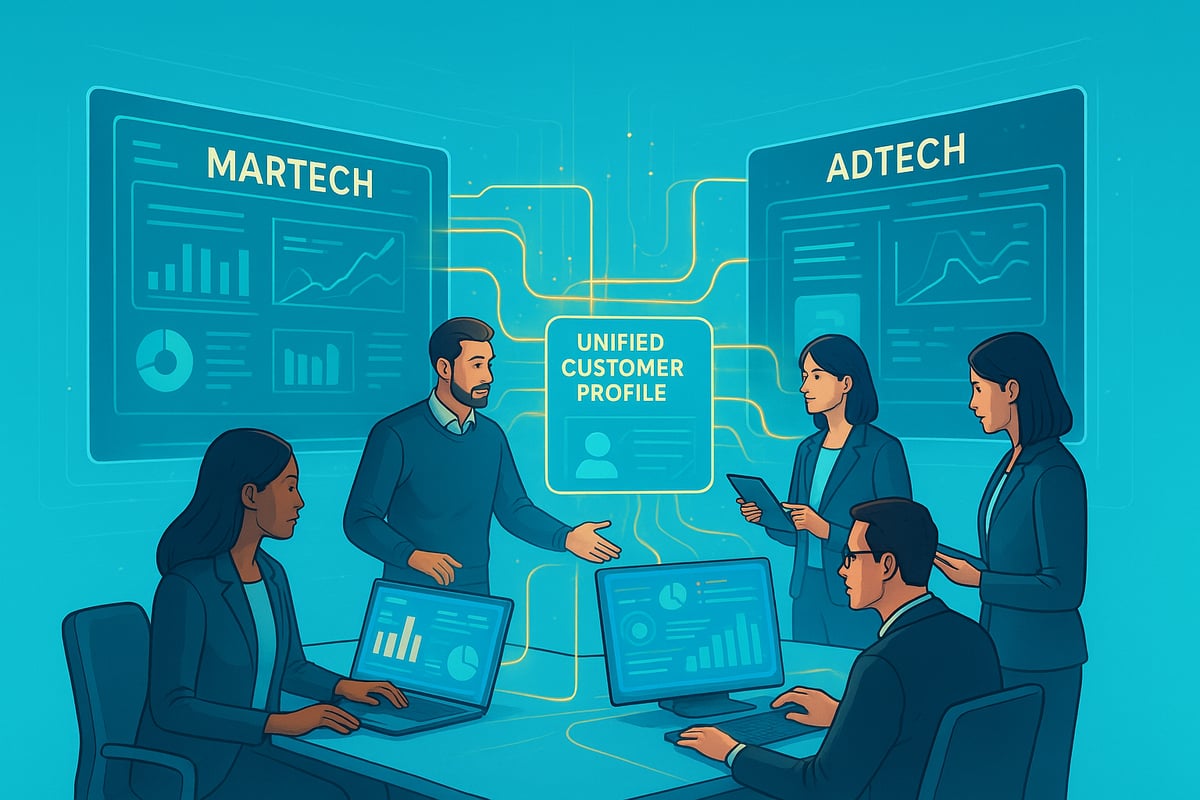
The intersection of martech adtech is most visible where data, analytics, and customer journeys overlap. Platforms such as Data Management Platforms (DMPs) and Customer Data Platforms (CDPs) are bridging the gap, enabling marketers to unify and activate data for both targeted marketing and advertising campaigns.
For example, a company might use martech adtech stacks to retarget website visitors with personalized ads, leveraging CRM data from their MarTech ecosystem. This unified approach enhances relevance and increases conversion rates. Integration platforms and APIs play a vital role, allowing data to flow between CRM systems, ad servers, and analytics platforms.
Many companies are now adopting hybrid technology stacks that combine the strengths of both MarTech and AdTech. This enables them to maximize efficiency, streamline workflows, and deliver consistent messaging across all channels. For a deeper dive into how social media marketing and advertising are converging, see Social media and advertising integration.
| MarTech | AdTech | Overlap/Integration |
|---|---|---|
| CRM, CMS, Automation | DSPs, SSPs, DMPs | DMPs, CDPs, APIs, Retargeting |
| First-party data | Third-party data | Unified customer profiles, analytics |
The martech adtech overlap is growing as organizations demand more holistic customer insights and campaign performance measurement.
Trends Driving Convergence in 2026
Several powerful trends are accelerating the convergence of martech adtech. The demise of third-party cookies is forcing businesses to prioritize first-party data strategies. Privacy regulations such as GDPR and CCPA are shaping how data is collected, stored, and activated across marketing and advertising.
Artificial intelligence and machine learning are now central to smart audience segmentation, predictive analytics, and real-time personalization. These technologies allow brands to orchestrate omnichannel experiences, ensuring that every customer touchpoint is informed by unified data. Brands increasingly use MarTech to capture consented data, then activate those audiences through AdTech platforms for targeted campaigns.
Omnichannel customer journeys are a top priority, with organizations seeking to engage customers seamlessly across owned, earned, and paid channels. This shift is driving the integration of martech adtech platforms, making it easier to optimize spend and measure impact holistically. For an in-depth look at how measurement and attribution drive integration, visit Measurement driving MarTech-AdTech integration.
As these trends unfold, the martech adtech landscape is becoming more interconnected, offering unprecedented opportunities for businesses that embrace integration.
Challenges and Best Practices for Integration
Integrating martech adtech stacks is not without obstacles. Data silos remain a persistent challenge, often limiting the ability to create unified customer profiles. Ensuring interoperability between platforms requires robust APIs, careful planning, and ongoing investment in technical expertise.
Data governance and compliance are more important than ever. Organizations must implement strict controls to meet privacy requirements and protect sensitive customer information. Cross-platform measurement and attribution also demand attention, as marketers seek to understand the full impact of their efforts across both MarTech and AdTech.
Best practices include centralizing data in a secure, accessible environment, investing in integration tools, and prioritizing staff training. Leading organizations are building teams with hybrid skills, capable of managing both marketing automation and programmatic advertising.
Ultimately, successful martech adtech integration empowers businesses to deliver more personalized, relevant experiences while maximizing ROI. The future belongs to those who can break down barriers and create truly connected digital ecosystems.
Choosing the Right Stack: Decision Factors for Modern Businesses
Selecting the ideal martech adtech stack requires a strategic approach. The right decision hinges on your unique business needs, technology goals, and the evolving digital landscape. Below, we break down the critical factors to guide your choice.
Assessing Business Goals and Needs
Start by aligning your martech adtech investments with your organization’s core objectives. Are you prioritizing customer acquisition, retention, or both? Map each stage of your customer journey to the technology required for support.
For example, e-commerce companies often leverage martech adtech tools to attract visitors through targeted ads, then convert and retain them using marketing automation. Clear alignment between goals and platforms ensures every dollar spent moves you closer to your KPIs.
Review how leading marketing and advertising firm strategies approach stack selection for further insight.
Evaluating Platform Capabilities and Integrations
Integration is crucial when choosing between martech adtech solutions. Evaluate how well platforms connect via APIs, support data sharing, and enable workflow automation.
Scalability, user experience, and vendor reputation are important factors. The best martech adtech stacks support seamless collaboration between marketing and advertising teams, reducing silos.
Look for platforms that handle both marketing automation and programmatic ad buying, ensuring future growth. This unified approach streamlines processes and enhances campaign effectiveness.
Budgeting and Resource Allocation
Budgeting for martech adtech requires understanding the differences in cost models. MarTech tools are typically subscription-based, while AdTech costs fluctuate based on usage.
| Model | MarTech | AdTech |
|---|---|---|
| Billing | Subscription | Usage-based |
| Predictability | High | Variable |
| Example | HubSpot | Google Ads |
Forecast ROI using historical data and industry benchmarks. Balance stable martech adtech spend with flexible budgets for advertising campaigns. For deeper insights into SaaS models, see SaaS advertising technology insights.
Future-Proofing Your Marketing Technology Strategy
The digital landscape is always shifting, so future-proofing your martech adtech stack is vital. Choose vendors with robust product roadmaps and support for emerging channels.
Prioritize platforms that comply with privacy regulations and offer strong data governance. Prepare for trends like cookieless advertising and AI-driven personalization by building flexibility into your stack.
Invest in ongoing training to keep your team ahead of changes, and regularly review your stack to ensure it meets evolving business needs.
As we’ve explored, understanding the distinctions between MarTech and AdTech is essential for making informed decisions that drive real business results. Whether you’re looking to refine your strategy, integrate new tools, or simply get clarity on how these ecosystems can work together for your brand, you don’t have to navigate this evolving landscape alone. If you want tailored guidance or creative solutions that actually move the needle, Let’s Connect and see how The Creative Stable can help you confidently shape your marketing and advertising future.