

The SaaS landscape in 2026 is more competitive, data-driven, and fast-changing than ever before. For businesses aiming to stand out, saas advertising is no longer optional—it is essential for growth and survival.
This guide reveals the strategies, platforms, and innovations shaping the future of SaaS advertising. Discover how to navigate key trends, choose effective platforms, master targeting, and measure real results.
Ready to unlock new growth opportunities? Use this guide as your roadmap to success in a crowded digital marketplace.
The SaaS Advertising Landscape in 2026
The landscape for saas advertising in 2026 is defined by rapid evolution, fierce competition, and a surge of technological advancements. Companies must adapt quickly, leveraging data and innovation to capture attention and drive growth. Let us explore the current state of play and what it means for B2B and B2C SaaS marketers alike.
Key Market Trends and Industry Shifts
SaaS advertising faces transformative shifts in 2026. The SaaS market is projected to surpass $305 billion, signaling explosive growth and intensifying competition. AI-driven ad platforms and automation are now mainstream, reshaping media buying and campaign management. Buyer committees have expanded, with longer sales cycles and more stakeholders involved in purchasing decisions. Heightened privacy regulations are challenging traditional targeting, forcing marketers to innovate. According to Software As A Service (SaaS) Market Expected to Exceed $305 Billion by 2026, demand and ad spend continue double-digit growth, pushing more SaaS companies to adopt multi-channel strategies to reach key decision-makers.
The Role of Advertising in SaaS Growth
Saas advertising is now a primary lever for accelerating pipeline and driving measurable results. In a saturated market, building brand awareness is critical to stand out from competitors. Paid media does not replace inbound and content marketing but amplifies their reach and impact. Many B2B SaaS firms rely on strategic advertising to move prospects faster through complex sales cycles. Case studies show that integrated ad campaigns can shorten the buyer journey and increase sales velocity, making advertising indispensable for high-growth SaaS brands.
Challenges Unique to SaaS Advertising
Saas advertising presents unique hurdles due to intricate buyer journeys involving multiple stakeholders. Product education and differentiation are ongoing challenges, as SaaS offerings often require detailed explanations. Attribution is increasingly difficult, especially as privacy measures limit tracking across platforms. Marketers struggle to connect conversions to specific touchpoints, making optimization complex. For example, the growing emphasis on privacy compliance complicates campaign measurement, requiring new approaches to track ROI and allocate budgets effectively.
Opportunities for Innovation in 2026
Despite the challenges, saas advertising in 2026 is rich with opportunities for forward-thinking marketers. AI is powering creative optimization and targeting, enabling campaigns to adapt in real time. The integration of intent data and account-based marketing is allowing for hyper-targeted outreach. Advanced analytics make personalization at scale possible, ensuring ads resonate with each audience segment. Programmatic and omnichannel campaigns are expanding reach, delivering seamless experiences across platforms. Those who embrace these innovations are best positioned to excel in a dynamic market.
Choosing the Right SaaS Advertising Platforms
Selecting the right platforms is critical to maximizing the impact of your saas advertising in 2026. With more choices and features than ever, aligning platform capabilities with your goals, audience, and creative is essential for success.
Below is a snapshot comparing key platforms shaping the saas advertising landscape:
| Platform | Audience Reach | Key Strengths | Best For |
|---|---|---|---|
| Google Display/Video | 2T+ impressions/month | Advanced targeting, video | Brand awareness, demos |
| 303M+ monthly users | B2B precision, ABM | Enterprise/B2B lead gen | |
| Microsoft Bing | 100M+ daily users | Cost-effective, business-focus | Niche, lower CAC |
| Facebook/Meta | 3B+ monthly users | Robust analytics, retargeting | Full-funnel, broad reach |
| Programmatic DSPs | Omnichannel | Automation, scale | Multi-touch, cross-channel |
Overview of Major Platforms in 2026
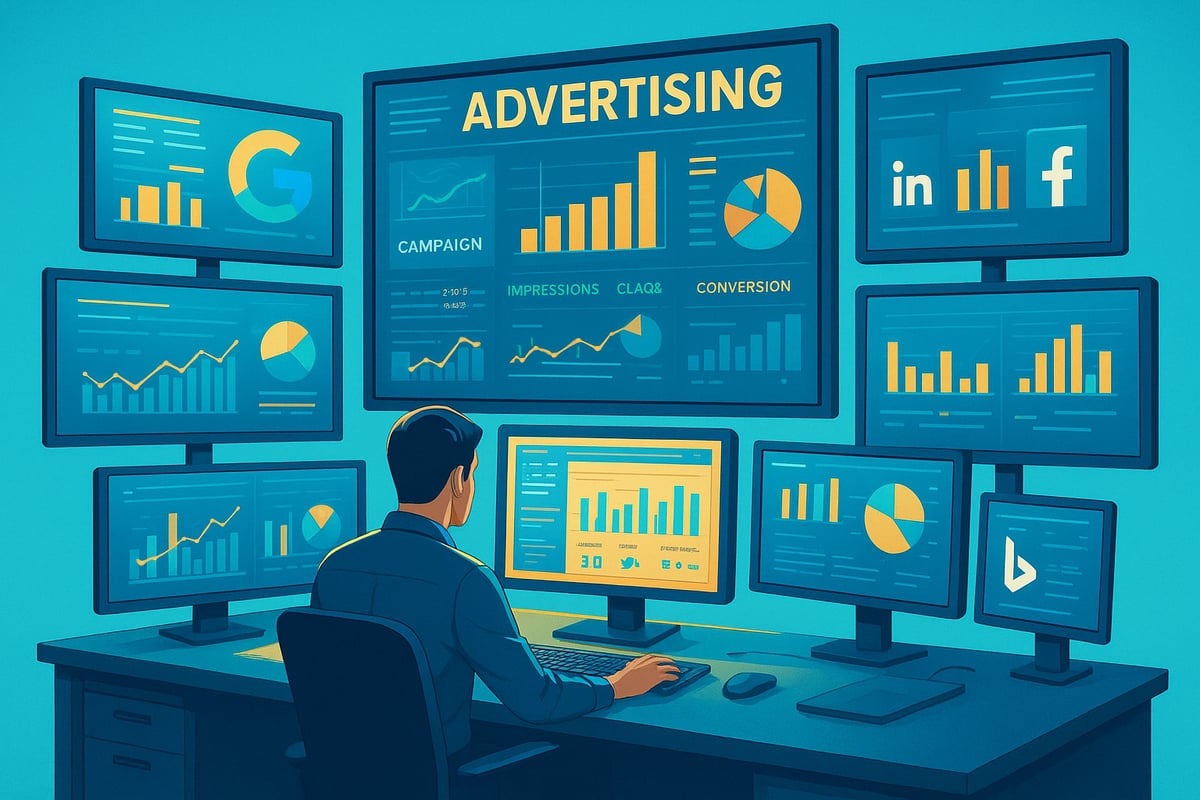
The saas advertising ecosystem spans a mix of established giants and specialized networks. Google Display and Video, LinkedIn, Facebook/Meta, and Microsoft Bing remain foundational due to their scale and targeting sophistication.
Programmatic demand-side platforms (DSPs) enable omnichannel reach, automating ad buying across web, mobile, and connected TV. Meanwhile, niche B2B networks and emerging channels cater to vertical-specific campaigns and hard-to-reach audiences.
Choosing the right blend of platforms helps saas advertising teams connect with decision-makers at every stage of the funnel.
Google Display & Video Ads
Google’s Display and Video networks deliver unmatched scale, serving over 2 trillion ad impressions each month. For saas advertising, advanced targeting options like audience segments, intent signals, and lookalike modeling ensure your message reaches high-potential buyers.
Smart bidding strategies, such as Maximize Clicks or Target ROAS, help optimize spend for conversions. Many SaaS brands leverage video ads for product demos, using engaging formats to drive awareness and educate prospects in a crowded market.
LinkedIn Ads for B2B SaaS
LinkedIn is a powerhouse for saas advertising targeting business professionals. The platform boasts over 303 million monthly active users, with 40 percent logging in daily. Precision targeting enables segmentation by job title, company size, industry, and even account-based marketing (ABM).
Ad formats range from sponsored content to InMail and lead gen forms, making it ideal for B2B SaaS marketers seeking direct access to decision-makers. For advanced tactics and updated best practices, explore these LinkedIn advertising options for SaaS.
Microsoft Bing Ads & Alternative Search
Microsoft Bing offers a business-focused audience, reaching over 100 million daily active users. For saas advertising, Bing provides lower competition and more cost-effective clicks, making it attractive for niche SaaS solutions.
Its seamless integration with Google Ads simplifies cross-channel management. Many SaaS firms have found Bing effective for boosting lead generation, especially in verticals where Google competition is intense.
Social & Programmatic Channels
Social media and programmatic channels are indispensable to modern saas advertising. Facebook’s 3 billion monthly users and granular targeting support broad awareness and precise retargeting.
Programmatic DSPs automate campaign delivery across multiple channels, enabling full-funnel, multi-touch strategies. SaaS brands often use retargeting and lookalike audiences to nurture prospects and drive conversions, making these channels vital for scalable, data-driven growth.
Building a High-Impact SaaS Advertising Strategy
Crafting a high-impact saas advertising strategy in 2026 requires a blend of clear objectives, precise targeting, compelling creative, and agile execution. Each of these elements must be fine-tuned to meet the evolving demands of the SaaS market. Below, we break down the essential steps for building an advertising approach that delivers measurable results.

Defining Goals and KPIs
Every successful saas advertising campaign starts with well-defined goals. These objectives should align directly with your business outcomes, such as building pipeline, increasing monthly recurring revenue (MRR), or boosting brand lift.
Key performance indicators (KPIs) like customer acquisition cost (CAC), return on ad spend (ROAS), conversion rates, and sales qualified leads (SQLs) provide the benchmarks for measuring success. Establish realistic targets for each KPI, considering the SaaS industry averages. By setting these standards, you ensure that saas advertising performance is transparent and actionable for all stakeholders.
Audience Targeting and Segmentation
Effective saas advertising relies on smart audience targeting and segmentation. Start by developing detailed ideal customer profiles (ICPs) and buyer personas to clarify whom your ads should reach. For enterprise SaaS, account-based targeting is vital, allowing you to focus campaigns on high-value organizations.
Leverage intent data and behavioral signals from platforms like LinkedIn to refine your targeting further. For example, targeting by seniority or job function ensures your message reaches the decision-makers who influence SaaS purchases. This level of precision maximizes the impact of your saas advertising investments.
Creative Messaging and Personalization
Creative messaging is the heartbeat of saas advertising. Craft value-driven, pain-point-focused copy that speaks directly to the needs of your audience. Personalization is no longer optional—most SaaS buyers engage only with ads tailored to their unique challenges and roles.
AI-powered dynamic creative optimization enables you to deliver personalized experiences at scale, from custom ad visuals to landing pages segmented by industry or job title. For more on messaging strategies shaping the future, explore advertising messaging trends for 2026. By prioritizing relevancy, your saas advertising efforts will consistently outperform generic campaigns.
Multi-Channel and Omnichannel Approaches
Modern saas advertising thrives on a multi-channel approach. Coordinate campaigns across search, social, display, video, and even email to engage prospects at every stage of their journey. This strategy not only increases reach but also nurtures leads through varied touchpoints.
Multi-touch attribution helps you understand how each channel contributes to conversions, guiding smarter budget allocation. SaaS brands that integrate webinars, content syndication, and paid ads see improved engagement and full-funnel impact. Adopting an omnichannel mindset ensures your saas advertising remains agile and effective.
Budgeting and Bidding Strategies
Budgeting is a cornerstone of profitable saas advertising. Allocate your spend based on funnel stage and channel performance. Use automated bidding strategies like Maximize Conversions or Target ROAS to optimize for desired outcomes while maintaining efficiency.
Balance your investments between brand awareness and demand generation, adjusting spend in real time based on performance data. For instance, shifting budgets toward high-performing campaigns can lower CAC and accelerate growth. Strategic budgeting ensures every dollar spent on saas advertising drives meaningful business results.
Ad Operations, Testing, and Optimization
Operational excellence is essential for scalable saas advertising. Set up robust campaign structures, regularly conduct A/B tests, and iterate creative assets based on real-time analytics. Continuous improvement is key—leverage data insights to refine targeting, messaging, and bidding.
Decide whether to manage ad operations in-house or outsource to specialists, depending on your resources and expertise. Many SaaS companies have reduced CAC by optimizing campaigns and reallocating spend dynamically. Ultimately, a disciplined approach to testing and optimization ensures your saas advertising delivers long-term ROI.
Advanced Targeting, Personalization, and Remarketing Tactics
In 2026, advanced targeting, personalization, and remarketing are crucial to maximize the effectiveness of saas advertising. Marketers must go beyond basic segmentation, using technology and data to engage high-value prospects and nurture leads in a privacy-first world.
Account-Based Marketing (ABM) in SaaS Advertising
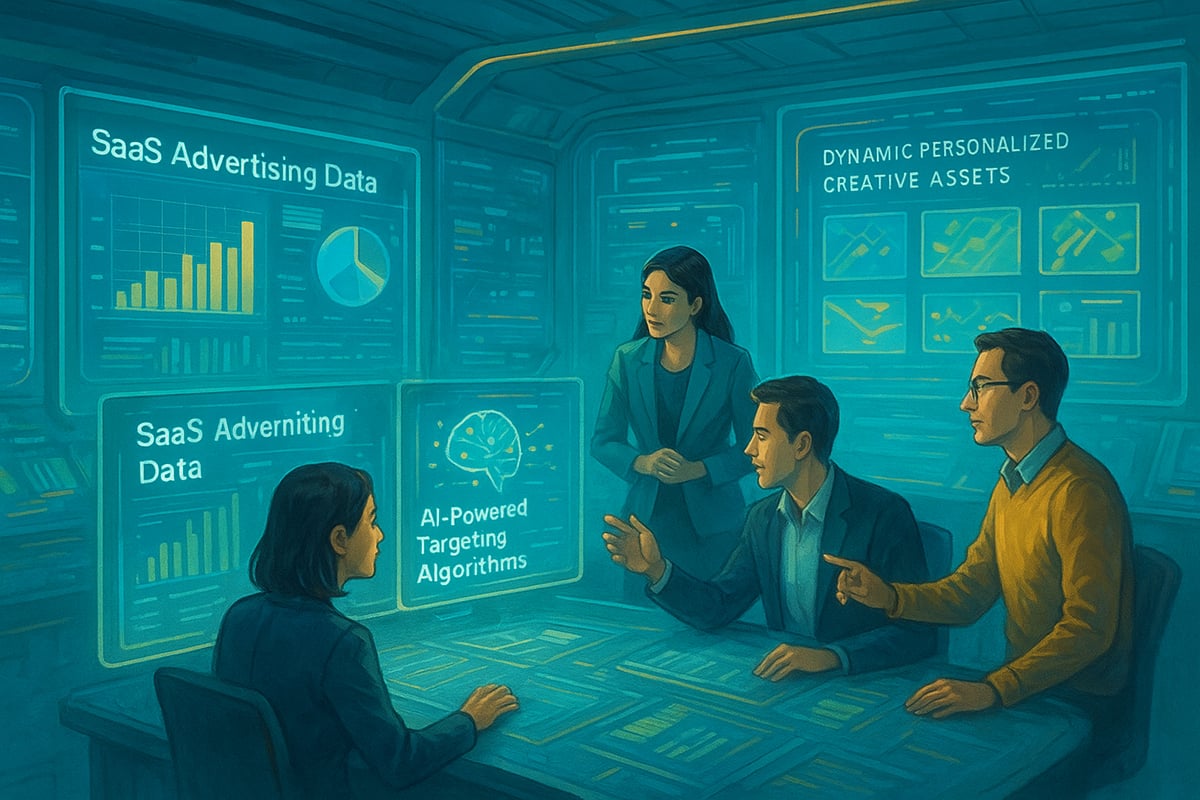
Account-Based Marketing aligns perfectly with saas advertising by allowing brands to focus resources on high-value accounts. In 2026, ABM strategies are more precise, leveraging detailed account profiles that include geolocation, industry, company size, and real-time intent indicators.
With expanded buyer committees, personalized display ads and sponsored content are crafted for each decision-maker within a target account. This approach ensures messaging resonates at every stakeholder level. For example, running tailored ads for IT leaders versus finance executives within the same company can significantly increase engagement and pipeline velocity.
ABM in saas advertising is no longer optional; it is a best practice for scaling enterprise growth.
Data-Driven Targeting and Intent Signals
Data-driven targeting is the engine powering modern saas advertising. Today’s platforms integrate first-party CRM data with third-party intent signals, enabling marketers to prioritize in-market buyers showing active research behavior.
Behavioral segmentation allows campaigns to target audiences based on digital touchpoints, such as content downloads or product demo requests. This precision reduces waste and increases ROI by ensuring ad spend is concentrated on accounts with the highest likelihood to convert.
By leveraging both historical and real-time data, saas advertising campaigns deliver relevant messaging to users at exactly the right moment in their journey.
Dynamic Personalization and Creative Automation
AI-driven creative automation is transforming saas advertising in 2026. Marketers now deploy dynamic ad copy, visuals, and landing pages that adapt in real time to each viewer’s profile and behavior.
Personalization at scale is possible through machine learning, which tests and optimizes hundreds of creative variations automatically. This ensures each prospect sees messaging that speaks directly to their needs and pain points. According to SaaS Marketing Trends for 2026, AI’s role in automating and integrating campaigns is a key driver of efficiency and measurable results.
With creative automation, saas advertising teams achieve higher engagement without sacrificing efficiency or accuracy.
Remarketing and Lead Nurturing
Remarketing is vital for saas advertising, especially given the complex, multi-touch buyer journey. By retargeting visitors who engaged with your website or content but did not convert, brands stay top-of-mind throughout the decision process.
Sequenced ad campaigns nurture prospects at each stage, offering relevant content or incentives based on previous interactions. For instance, a prospect who watched a product demo video might next see a case study or a limited-time offer.
Effective remarketing boosts conversion rates and shortens sales cycles, making it a cornerstone of high-performing saas advertising strategies.
Privacy, Compliance, and Ethical Targeting
As privacy regulations tighten, ethical targeting is essential for sustainable saas advertising. Marketers must balance personalization with compliance, adopting first-party data strategies and robust consent management.
Transparent data practices build trust with prospects and protect brand reputation. Consent mechanisms, such as preference centers, allow users to control their data usage. Adhering to GDPR, CCPA, and similar frameworks is no longer optional but a baseline expectation.
By prioritizing privacy and ethical standards, saas advertising can maintain effectiveness while respecting user rights and industry regulations.
Measuring and Optimizing SaaS Advertising Performance
Measuring and optimizing your saas advertising performance is essential for driving sustainable growth. Modern B2B marketers must move beyond surface-level analytics, using robust frameworks and data-driven insights at every stage of their campaigns. Let’s break down the practical steps to maximize your advertising impact.
Defining and Tracking Success Metrics
Setting clear goals is the foundation of effective saas advertising. Success metrics like Customer Acquisition Cost (CAC), Lifetime Value (LTV), Return on Ad Spend (ROAS), and Sales Qualified Leads (SQLs) provide actionable benchmarks. Accurate tracking demands a well-structured analytics setup, including tag management and conversion tracking.
Use a combination of first-party and integrated third-party data to monitor your pipeline from click to close. For advertisers focused on pay-per-click channels, refer to pay-per-click marketing insights for practical tips on goal setting and measurement.
Attribution and Multi-Touch Measurement
SaaS advertising typically involves long, complex buyer journeys with multiple stakeholders. Attribution models help you understand which touchpoints contribute most to conversions. Compare first-touch, last-touch, and multi-touch attribution frameworks to identify patterns in lead progression.
Tools like Google Analytics 4, HubSpot, or custom BI dashboards enable deeper visibility into how prospects interact with your ads across channels. Multi-touch measurement is especially valuable, as it helps allocate spend to the highest-impact tactics in your overall saas advertising strategy.
Leveraging Analytics for Continuous Improvement
Continuous optimization is a hallmark of high-performing saas advertising. Real-time dashboards and campaign monitoring allow you to make fast, data-backed adjustments. Prioritize A/B and multivariate testing for creative, copy, and audience segments.
According to the 2026 Digital Advertising Trends Report, predictive analytics and AI-driven insights are transforming how marketers allocate budgets and refine campaigns. Use these tools to reallocate spend to the best-performing channels and maximize ROI.
Reporting, Insights, and Stakeholder Communication
Effective reporting is vital for demonstrating the value of saas advertising to leadership. Build clear, visual dashboards that translate ad performance into business outcomes like pipeline growth and monthly recurring revenue (MRR).
Presenting insights in a concise, actionable format fosters strategic decision-making. Regular reporting also uncovers new opportunities for campaign adjustments and ensures all stakeholders remain aligned with your advertising goals.
Common Pitfalls and How to Avoid Them
Avoid common pitfalls in saas advertising by focusing on meaningful metrics, not vanity numbers. Underestimating the complexity of SaaS buyer journeys leads to missed opportunities and wasted spend.
Act quickly on data insights, iterate campaigns regularly, and always test new creative strategies. By following these best practices, you ensure your saas advertising investments deliver measurable business impact and long-term growth.
The Future of SaaS Advertising: Emerging Trends and Innovations
The future of saas advertising is being shaped by rapid technological advances and shifting buyer expectations. Marketers must stay ahead of the curve to maintain their competitive edge. Let us explore the top trends and innovations that will define success in 2026.
AI and Automation in SaaS Advertising
AI is transforming every aspect of saas advertising, from automated bidding to dynamic creative optimization. Predictive analytics now guide campaign planning, enabling marketers to anticipate customer needs and allocate budgets with precision.
Generative AI is especially revolutionizing video ads. According to IAB, nearly 90% of advertisers will leverage generative AI for video ad creation by 2026. This surge is driven by AI’s ability to produce highly tailored, engaging content at scale. For more on this shift, see Nearly 90% of Advertisers to Use Gen AI for Video Ads.
SaaS brands are already seeing AI-powered creatives outperform manual versions, streamlining workflows and boosting ROI. Staying agile with AI is now mission-critical for growth.
The Rise of Intent-Based and Contextual Advertising
With evolving privacy regulations, saas advertising is moving away from reliance on third-party cookies. Instead, contextual and intent-based targeting are rising to the forefront. Marketers now use real-time signals, such as content consumption and behavioral triggers, to deliver the right message at the right moment.
This approach ensures ads remain highly relevant without compromising user privacy. SaaS companies are harnessing these innovations to reach decision-makers as they actively research solutions. Contextual relevance is fast becoming the new standard for impactful campaigns.
Integration with Sales and Marketing Alignment
The boundaries between sales and marketing are blurring in modern saas advertising. Success now depends on close coordination between these teams, with ad campaigns syncing seamlessly with sales outreach and CRM systems.
Closed-loop reporting provides full-funnel attribution, allowing marketers to track how ad spend drives SQLs and revenue. By integrating programmatic ad delivery with sales engagement, SaaS teams accelerate deal velocity and improve ROI. This alignment is essential for optimizing every stage of the customer journey.
Preparing for What’s Next in SaaS Advertising
SaaS advertising is poised to embrace new channels and strategies. Audio ads, in-app placements, and AI-powered search are gaining traction. Marketers must also adopt privacy-first approaches, relying on zero-party and first-party data to build trust and comply with regulations.
Agility will be key. Brands that experiment with emerging formats and adapt quickly will thrive. For a broader perspective on digital media shifts impacting SaaS, explore Digital media advertising trends. The future belongs to those prepared to innovate and evolve.
As we look ahead to the fast changing world of SaaS advertising in 2026, you can see how important it is to stay agile, data driven, and creative to fuel your growth. If you’re ready to put these insights into action, or if you want a partner to help you navigate the evolving ad landscape with strategies tailored to your goals, I’d love to connect. At The Creative Stable, we bring decades of expertise, flexible solutions, and a passion for measurable results to every project.
Let’s take your SaaS advertising to the next level together—Let’s Connect.