
Blogging in 2026 is a different game—competition is fierce, but the opportunities to stand out have never been greater. As digital audiences evolve and technology reshapes content creation, mastering the art of a high-performing blog post is essential for lasting impact.
This guide delivers a clear, actionable blueprint to help you craft a blog post that thrives in today's landscape. You will learn how to plan, research, write, optimize, and promote your content using a blend of proven strategies and the latest trends.
Ready to unlock the skills and insights needed for a standout blog post in 2026? Read on and future-proof your content strategy.
Understanding the 2026 Blogging Landscape
The blogging world in 2026 is almost unrecognizable compared to just a few years ago. Shifts in technology, audience expectations, and content creation methods have completely transformed how a blog post is planned, written, and shared.

The Evolution of Blogging: 2020–2026
Between 2020 and 2026, the blog post has evolved far beyond traditional text-based articles. Blogging platforms have become more sophisticated, offering seamless integration with ecommerce, analytics, and community features. Readers now expect interactive, multimedia-rich experiences that provide value quickly and efficiently.
The rise of AI-driven content creation has been a game changer. More than 80% of professionals report increased productivity thanks to AI tools, with platforms like Typeface and ChatGPT automating research, outlines, and even first drafts. This shift allows creators to focus on authenticity and strategy rather than repetitive tasks. In fact, recent blogging statistics and facts for 2026 highlight how AI adoption correlates with higher engagement and reach for each blog post.
Authority and brand storytelling have also become central. With so much content available, readers gravitate toward voices they trust, making authenticity and expertise essential for every blog post.
Key Trends Shaping Blog Content in 2026
Several trends now define what makes a successful blog post in 2026. Voice search optimization and conversational content are no longer optional—they are expected by audiences using smart devices and virtual assistants. Creators are embedding short-form videos, interactive graphics, and audio clips directly into each blog post, making content more dynamic and engaging.
Personalization is crucial. AI enables precise audience segmentation, allowing each blog post to target specific reader groups for higher engagement. SEO priorities have shifted, with EEAT—Experience, Expertise, Authoritativeness, and Trustworthiness—becoming vital for ranking. Platforms like Shopify and Squarespace now blend blogs with ecommerce and community, transforming each blog post into a hub for brand interaction and sales.
These trends demand that every blog post blends value, interactivity, and personalization to stand out in a crowded digital space.
The Role of Strategy and Brand Voice
In 2026, strategic planning is the backbone of every successful blog post. With AI generating much of the initial content, maintaining a consistent and authentic brand voice is more challenging and more important than ever. Tools like Typeface are designed to preserve brand identity, ensuring that even AI-generated sections of a blog post align with a company’s tone and values.
According to a recent CMI survey, blogs remain the most frequently used type of content for demand generation. This underscores the necessity for a clear, strategic approach to every blog post, from ideation to promotion. Consistency in brand voice builds trust and authority, helping each blog post resonate with its intended audience and support long-term business goals.
Step 1: Planning Your Blog Post for Maximum Impact
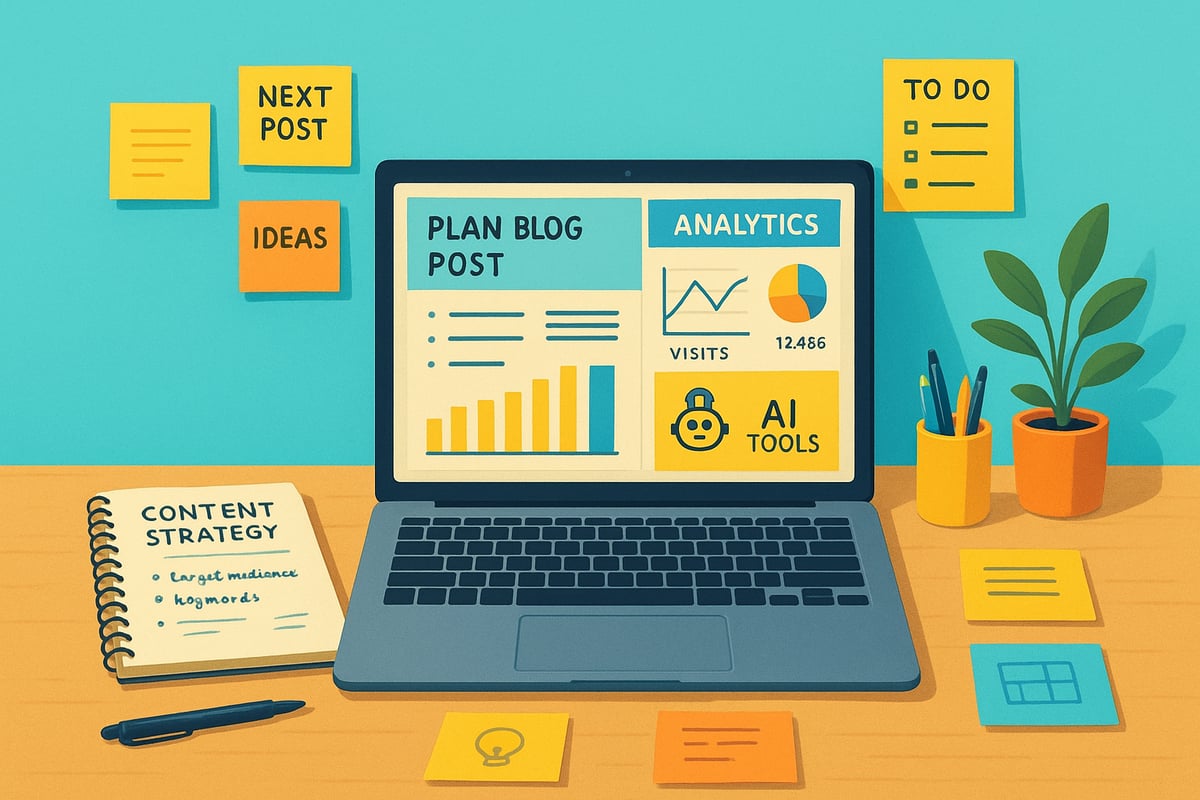
The secret to a successful blog post in 2026 starts long before your fingers hit the keyboard. Careful planning ensures your content stands out in a crowded digital landscape. By following a strategic process, you increase your chances of capturing attention and driving measurable results. Explore essential steps below to elevate your next blog post.
Defining Your Audience and Objectives
Every high-performing blog post begins with a deep understanding of your audience. Start by analyzing your analytics to identify your most engaged readers. Use demographic data, behavior patterns, and feedback from online communities to build detailed personas.
Next, clarify the objective of your blog post. Is your goal to educate, inspire, generate leads, or drive sales? Align your content with broader business or brand goals to maximize its impact. For example, using community forums and Google Analytics can reveal content gaps and inspire topics that directly address your audience’s needs.
Choosing a Winning Topic and Format
Topic selection can make or break a blog post. Begin with thorough research—review trending discussions, competitor articles, and your audience’s pain points. Balance evergreen content, such as how-to guides, with timely pieces like industry news or trend analysis.
Consider which format best serves your objective. Listicles are excellent for boosting engagement, while case studies can build credibility and trust. How-to articles often drive consistent traffic. Use insights from your research to select a topic and format that will resonate and deliver value.
Keyword Research and SEO Foundations
Effective keyword research is crucial for your blog post to reach its intended audience. In 2026, AI-powered tools like SEMrush, Ahrefs, and Google Keyword Planner help surface emerging trends and high-value keywords. Focus on understanding search intent, identifying long-tail opportunities, and leveraging semantic variations.
Prioritize region and intent-specific keywords to increase relevance and visibility. AI can now suggest nuanced keyword strategies tailored to your audience segments, ensuring your content stands out in search results.
Outlining for Structure and Clarity
A logical outline brings structure and clarity to your blog post. Begin by mapping out key points, breaking them into digestible sections with clear headings and subheadings. This approach improves readability and guides your reader through the content journey.
Organize your outline around user journey stages: awareness, consideration, and decision. Tools like Trello or spreadsheets can streamline the outlining process, helping you visualize the flow and ensure nothing important is overlooked.
Setting Up for Success: Tools and Workflow
Efficient workflows are essential for consistent blog post production. Utilize project management tools such as Notion or Trello to organize ideas, track progress, and set deadlines. AI platforms can automate research and outline generation, freeing up time for creativity.
Build an editorial calendar to maintain a steady publishing rhythm. Weekly topic selection rituals keep your content pipeline full and responsive to timely opportunities. For more strategies and inspiration, explore our Blogging category insights.
Step 2: Writing the Blog Post—From First Draft to Final Edit
The art of writing a high-impact blog post in 2026 blends classic storytelling with modern technology. Each stage, from the headline to the final edit, shapes how your content stands out in a competitive digital arena.

Crafting Compelling Headlines and Introductions
Your blog post begins with a headline that captures attention and promises value. In 2026, data-driven formulas—such as numbers, questions, or brackets—remain highly effective. For example, “7 Ways to Future-Proof Your Blog Post [2026 Edition]” uses numbers and relevance.
Incorporate your primary keywords naturally, keeping titles under 70 characters for optimal search performance. Pair this with a concise introduction that addresses the reader’s needs and hints at the insights ahead. The result is a blog post that stands out in crowded search results.
- Use power words
- Test several headlines
- Align intro tone with brand voice
A strong start ensures readers stay engaged from the first moment.
Structuring the Body for Readability and Engagement
The core of your blog post should be organized with clear subheadings and short paragraphs. Break up text using bullet points, numbered lists, and bolded takeaways for easy scanning.
Popular formats like listicles and how-to guides keep readers moving through your content. For example, a how-to blog post might use a step-by-step table:
| Step | Action | Tool |
|---|---|---|
| 1 | Research | Google, AI |
| 2 | Draft | Word, Notion |
| 3 | Edit | Grammarly |
This structure not only boosts engagement but also ensures your blog post is accessible and digestible.
Writing with Authenticity and Authority
Today’s audiences crave genuine voices and expert insights. Infuse your blog post with personal experiences, unique opinions, and data-backed claims to establish authority.
Cite reputable sources and share lessons learned from your own journey. For example, referencing a case study or including a brief anecdote makes your blog post more relatable and trustworthy.
- Share real results
- Reference industry data
- Express clear viewpoints
Authentic storytelling transforms a standard blog post into a memorable resource.
Integrating Visuals and Multimedia
Visual elements are essential for a dynamic blog post. Images, infographics, and embedded videos break up text and illustrate complex ideas.
Optimize every visual with descriptive alt text and captions for SEO. For example, a blog post on digital marketing might feature an annotated chart comparing traffic sources.
Interactive graphics and audio snippets can further enhance engagement. Platforms like Squarespace and OUAI demonstrate how a visually rich blog post increases time on page and user satisfaction.
Remember, every image or chart should support the message of your blog post.
Leveraging AI and Collaboration Tools
AI now plays a pivotal role in blog post creation. Use AI-powered platforms for first drafts, grammar checks, and content suggestions. Tools like Notion AI or collaborative editors streamline teamwork among writers, editors, and designers.
To stay ahead, explore AI tools for content creators in 2026 to automate research, outline generation, and even headline ideation for your next blog post.
- Assign roles using cloud-based tools
- Set up shared calendars for deadlines
- Use AI for tone and style consistency
Embracing these technologies results in a smoother, more efficient blog post workflow.
Editing and Polishing Your Content
The final step is refining your blog post for clarity, tone, and accuracy. Begin with a self-edit: read aloud, trim redundancies, and check for consistent messaging.
Employ AI editing tools like Grammarly or Hemingway for grammar and readability. Peer reviews catch overlooked errors and ensure the blog post aligns with your brand’s standards.
- Use feedback loops
- Run content through plagiarism checkers
- Iterate based on analytics
A polished blog post not only improves SEO but also builds lasting trust with your audience.
Step 3: Optimizing for SEO and User Experience in 2026
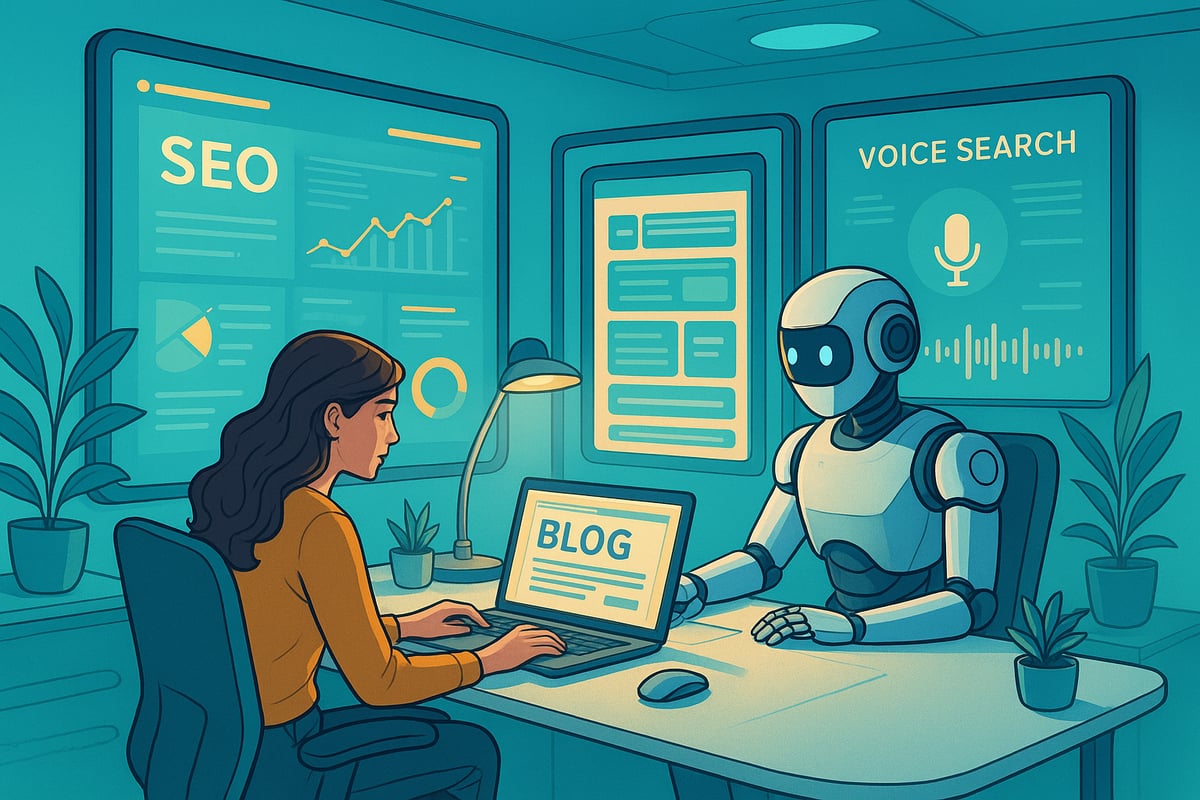
Every successful blog post in 2026 is built on the foundation of both search engine optimization and user experience. Ensuring your content stands out requires a blend of technical excellence and thoughtful design, so readers and algorithms alike find your work valuable and easy to engage with.
On-Page SEO Best Practices
For a blog post to perform in 2026, robust on-page SEO is non-negotiable. Start by crafting meta titles and descriptions that are concise and keyword-rich, aligning with the search intent of your audience. Structure your URLs for clarity, keeping them short and relevant.
Strategically place your primary and secondary keywords throughout the blog post, but avoid overstuffing. Integrate internal links to related articles and use external links to support data or insights. For a deeper dive into advanced optimization, check out 7 steps for SEO success.
Table: Key On-Page SEO Elements for 2026
| Element | Best Practice |
|---|---|
| Meta Title | Under 70 characters, keyword included |
| Meta Description | Compelling, 160 characters max |
| URL Structure | Short, descriptive, includes keyword |
| Internal Links | 2–4 per post, relevant anchor text |
| External Links | Authoritative sources, add value |
Optimizing these elements ensures every blog post is discoverable and authoritative.
Enhancing Readability and Accessibility
A blog post must be accessible and easy to consume for all users. Use legible typography, proper color contrast, and responsive layouts to ensure content looks great on any device. Break up text with short paragraphs and bullet points to aid scanning.
Ensure compliance with ADA guidelines by using descriptive alt text for images and inclusive language throughout the blog post. Mobile optimization is crucial, as most readers now access content on smartphones and tablets.
Simple navigation and ample white space help readers focus on your message. These steps make your blog post inviting and inclusive for everyone.
Advanced Content Optimization Techniques
Maximize the visibility of your blog post by implementing schema markup and FAQ sections, which enable rich snippets in search results. Optimize for voice search by using conversational phrasing and answering common questions within your content.
Integrate multimedia, such as data visualizations and trend graphs, to boost engagement. Embedding short-form videos or interactive graphics can help your blog post stand out, especially as search engines increasingly prioritize user interaction signals.
These advanced tactics keep your blog post relevant as search algorithms evolve and new content formats emerge.
Measuring and Improving Content Performance
To ensure your blog post continues to deliver results, set up analytics tools to track engagement, conversions, and SEO metrics. Use A/B testing to refine headlines, calls to action, and content formats for better performance.
Review user data regularly to identify what resonates with your audience. Split testing titles or monitoring Google Analytics can uncover valuable insights for ongoing optimization.
Iterate on your blog post based on performance data and audience feedback, keeping your content strategy agile and effective.
Maintaining Brand Voice and Consistency
Consistency in brand voice is vital, even as you scale blog post production with AI tools. Develop a content style guide that outlines preferred tone, terminology, and formatting.
Leverage AI solutions to monitor and enforce adherence to your brand’s voice across every blog post. This builds trust and recognition, helping your audience connect with your message.
By prioritizing voice and consistency, your blog post remains authentic and distinct in a crowded digital landscape.
Step 4: Promotion and Distribution Strategies for 2026
In 2026, promoting your blog post requires a strategic blend of channels, tactics, and analytics. With readers consuming content everywhere, a thoughtful distribution plan ensures your efforts achieve maximum visibility and engagement.
Multi-Channel Content Promotion
Distributing your blog post across multiple platforms amplifies its reach and impact. Social media, email newsletters, and push notifications remain foundational. Repurposing your blog post into short videos, podcasts, or infographics helps engage diverse audiences.
Platforms like Shopify and Squarespace make cross-promotion seamless, enabling you to connect ecommerce, community, and content strategies. For deeper insight into why a long-term, multi-channel approach is vital, explore Blogging trends 2026: The long game is back.
- Share snippets or visuals on Instagram and TikTok.
- Send tailored updates to subscribers.
- Use push notifications for timely blog post launches.
A consistent, multi-channel approach keeps your blog post visible, relevant, and discoverable.
Building Backlinks and Authority
Earning backlinks remains essential for blog post authority. Outreach to industry influencers, thoughtful guest posting, and contributing to online communities can elevate your content’s credibility.
Consider these tactics:
- Feature expert quotes within your blog post.
- Encourage satisfied readers to share your content in relevant forums.
- Collaborate with peers for mutual backlinking opportunities.
These efforts help your blog post climb search rankings and gain trust in your niche.
Maximizing Engagement and Community Building
Driving interaction is key for blog post success. Comments, shares, and active discussions signal value to both search engines and readers.
Encourage community participation by:
- Prompting questions at the end of your blog post.
- Hosting contests, polls, or Q&A sessions.
- Responding thoughtfully to reader feedback.
Medium competitors thrive by fostering a loyal audience around every blog post, boosting long-term engagement.
Paid Promotion and Amplification
Sometimes organic reach is not enough. Paid promotion gives your blog post an extra push, especially for high-stakes campaigns or launches.
Effective paid tactics include:
- Running PPC ads for targeted traffic to your blog post.
- Using sponsored content to reach new audiences.
- Retargeting past visitors with personalized ads.
Brands are now leveraging AI to scale blog post output, increasing from a handful to a dozen posts per month, maximizing paid and organic synergy.
Monitoring and Refining Distribution Efforts
Continuous measurement is vital for optimizing blog post distribution. Track referral traffic, social shares, and conversion rates using analytics tools.
Review weekly performance to identify:
- Top-performing blog post topics and channels.
- Engagement drop-offs or spikes.
- Opportunities for content refresh or repromotion.
Adapting your approach based on data ensures every blog post reaches its potential and aligns with evolving reader preferences.
Step 5: Future-Proofing Your Blog Content
Adapting your blog post strategy for the future requires both vigilance and innovation. As technology, algorithms, and audience preferences evolve, so must your approach. Use these proven tactics to ensure your blog post remains relevant, authoritative, and high-impact in 2026 and beyond.
Staying Ahead of Content and AI Trends
To keep your blog post competitive, monitor the latest developments in AI, content formats, and search algorithms. Experiment with interactive visuals, AR/VR experiences, and hyper-personalized storytelling. Embrace new AI tools that can automate up to 70% of the content creation process, freeing you to focus on strategy and creativity.
As algorithms shift, be ready to pivot your approach. Explore resources like Creative advertising amid algorithm shifts to understand how top creators adapt their blog post strategies and stay visible. Regularly test emerging features, and never hesitate to update your methods.
Building Evergreen and Update-Friendly Content
Create a blog post that stands the test of time by focusing on evergreen topics and building content clusters. Pillar posts offer long-term SEO benefits and can be refreshed as trends change. Schedule regular audits to identify outdated sections and update statistics, examples, or visuals.
For ongoing relevance:
- Refresh how-to guides and listicles annually
- Link to current case studies and industry data
- Use clear, modular structures for easy updates
A proactive approach ensures your blog post remains accurate and valuable as the landscape evolves.
Developing Your Unique Thought Leadership
Stand out by infusing your blog post with original insights, research, and expert commentary. Share your experiences, lessons learned, and personal perspectives to build trust and authority. Publishing opinion pieces, in-depth case studies, and industry analyses positions you or your brand as a go-to resource.
Thought leadership fosters loyalty and encourages sharing. Make your blog post the place readers turn to for unique viewpoints and actionable advice.
Leveraging Data and Analytics for Continuous Improvement
Data-driven decisions are essential to future-proof your blog post. Use advanced analytics to monitor performance, uncover content gaps, and spot emerging trends. Set clear KPIs and OKRs to measure success and guide your content strategy.
Consider experimenting with frameworks like the multi-agent framework for AI-generated content to ensure your blog post maintains quality, authenticity, and compliance as AI tools evolve. Regularly review engagement metrics and reader feedback, then iterate for ongoing improvement.
Building a Sustainable Content Creation Workflow
Balance automation with human creativity when scaling your blog post production. Editorial calendars, collaborative teams, and clear style guides help prevent burnout and ensure consistency. Flexible models let you adapt quickly to new opportunities and challenges.
A sustainable workflow means you can consistently deliver high-quality blog post content without sacrificing innovation or well-being. Make adaptability and teamwork your long-term advantage.
References and Further Reading
To deepen your expertise in blog post creation, explore these carefully selected resources. The CMI survey on content marketing, Medium’s blogging guides, and Typeface’s AI content resources all provide up-to-date insights. For mastering the narrative power within every blog post, consider reading about the power of human storytelling. Additionally, review Squarespace and Shopify blog best practices for platform-specific strategies. Continuous learning and adaptation are key to staying relevant in today’s rapidly evolving blogging world.
If you're inspired to take your blog content to the next level in 2026, you're not alone. Mastering the blend of strategy, creativity, and the latest technology is no small feat, but with the right guidance, it's absolutely achievable. At The Creative Stable, we've spent decades helping brands shape their voice and deliver high-impact content that stands out in evolving digital landscapes. Whether you're refining your strategy, optimizing for SEO, or building a sustainable workflow, we're here to support your goals. If you'd like to explore how we can help you grow, Let’s Connect.