
What if laughter could be the secret weapon that transforms your brand’s presence in 2026? In today's fast-evolving media landscape, humor is not just a trend, it is a core driver of breakthrough campaigns.
This article spotlights nine truly brilliant humorous advertising examples that have set new creative and commercial benchmarks. You will discover what makes these campaigns so effective, how they capture attention, and why they inspire both audiences and marketers alike.
Ready to unlock the potential of humor for your next campaign? Dive in for actionable insights and unlock the creative edge your brand needs.
The Power of Humor in Modern Advertising
The role of humor in advertising has transformed dramatically in recent decades. As brands compete for attention in an oversaturated market, humorous advertising examples have emerged as some of the most memorable and influential campaigns worldwide.
Looking back, humor in advertising was once limited to simple puns or slapstick gags. Over time, agencies began to experiment with satire, parody, and clever storytelling. By 2026, humorous advertising examples span a spectrum from subtle wit to bold absurdity, reflecting both cultural shifts and advances in creative strategy.
Why does humor work so well? Research consistently shows that humorous advertising examples enhance recall and create positive associations with brands. According to Nielsen and Kantar, consumers are 47% more likely to remember a funny ad than a straightforward one. This emotional connection fosters trust and loyalty, leading to higher engagement and repeat purchases. For a deeper look at why humor performs so well across channels, review this analysis of Humor’s Impact on Ad Effectiveness.
Consumer expectations have evolved in tandem with these trends. In a recent survey, 65% of respondents said they are more likely to share humorous advertising examples than traditional ads. Engagement rates for funny content on social platforms far surpass those of serious campaigns, making humor a valuable tool for brands seeking organic reach.
However, using humor is not without risk. Some humorous advertising examples have missed the mark, either by alienating certain audiences or by overshadowing the product itself. The key is to balance entertainment with a clear brand message. Brands must also be mindful of timing, ensuring that their humor fits the cultural and social climate.
Cultural sensitivity is critical. What is funny in one market may be offensive or confusing in another. Successful humorous advertising examples are those that respect local customs while still delivering universal appeal. Multinational brands often work with local agencies to adapt jokes, references, and visuals for different regions.
The digital era has changed how humor is shared and consumed. Social media and short-form video platforms have amplified the reach of humorous advertising examples. Brands now create content designed to go viral, leveraging memes, trends, and interactive formats to spark conversations and encourage sharing.
A standout case in 2025 was a satire-driven campaign for a global beverage brand. By poking fun at industry clichés, the ad quickly gained traction, generating millions of shares and inspiring countless imitators. This viral success proved that when humor is authentic and well-executed, it can redefine a brand’s identity and set new industry standards.
Humor’s power in advertising lies in its ability to connect, entertain, and inspire action. As you explore the following humorous advertising examples, consider how these lessons can elevate your own campaigns in 2026.
9 Brilliant Humorous Advertising Examples to Inspire in 2026
Humor continues to be a driving force in the advertising world, with brands leveraging laughter to boost recall, build affinity, and drive viral engagement. In this curated collection of humorous advertising examples, we spotlight nine campaigns that set the creative bar high in 2026. Our selection spans diverse industries, formats, and comedic styles, providing a comprehensive look at what makes these campaigns shine.
We selected these humorous advertising examples for their innovation, impact, and measurable results. Each showcases a different blend of wit, storytelling, and brand strategy. For those interested in a broader context about why these campaigns work, consider reviewing this famous ad campaigns breakdown to see how humor has shaped industry success stories.
Whether you are seeking inspiration for your next campaign or want to understand why humor resonates with audiences, these examples provide actionable insights and creative direction.
Aldi – “Like Brands, Only Cheaper” TV Spots
Aldi’s “Like Brands, Only Cheaper” campaign stands out among humorous advertising examples for its clever parody of luxury goods. The recurring comedic themes, such as exaggerated taste tests and mock elegance, make these spots instantly relatable and memorable.
The core appeal lies in Aldi’s ability to poke fun at premium brands while positioning itself as the smart alternative. The humor is grounded in everyday shopping experiences, which helps connect with value-conscious audiences. These humorous advertising examples thrive on repeatable jokes and viral social clips, making them ideal for TV, YouTube, and social platforms.
Pros:
- High memorability
- Viral potential
Cons:
- Risk of alienating premium brand loyalists
Pricing: Budget supermarket
Use Case: TV, YouTube, social media
Aldi proves that humorous advertising examples can drive brand differentiation and customer loyalty, even in competitive markets.
Dollar Shave Club – “Our Blades Are F***ing Great” Launch Video
Dollar Shave Club’s bold launch video remains one of the most talked-about humorous advertising examples. The founder’s deadpan delivery, paired with witty, irreverent messaging, disrupts the grooming industry’s traditional tone.
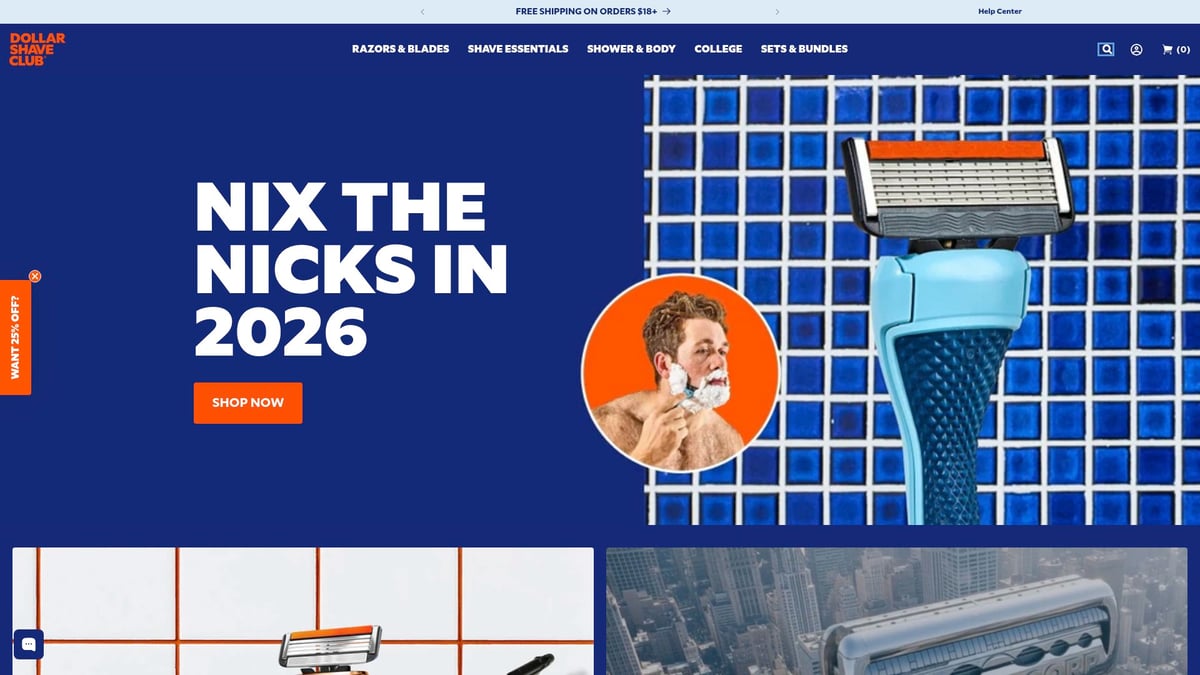
This campaign’s strength lies in its direct-to-consumer appeal and authentic brand voice. The humor is edgy, which may not suit all audiences, but it resonates powerfully with digitally savvy, younger men. The subscription pricing model ($9/month) is clearly communicated through the ad’s comedic narrative.
Pros:
- Highly shareable
- Strong brand identity
Cons:
- Edgy tone may limit broader appeal
Pricing: Subscription from $9/month
Use Case: Viral launch, ongoing brand identity
By embracing humorous advertising examples like this, brands can cut through noise and establish a lasting impression.
Old Spice – “The Man Your Man Could Smell Like” Campaign
Old Spice reinvented its brand with “The Man Your Man Could Smell Like,” now a classic among humorous advertising examples. The campaign’s surreal humor, rapid scene changes, and gender-inclusive targeting created viral memes and online conversations.
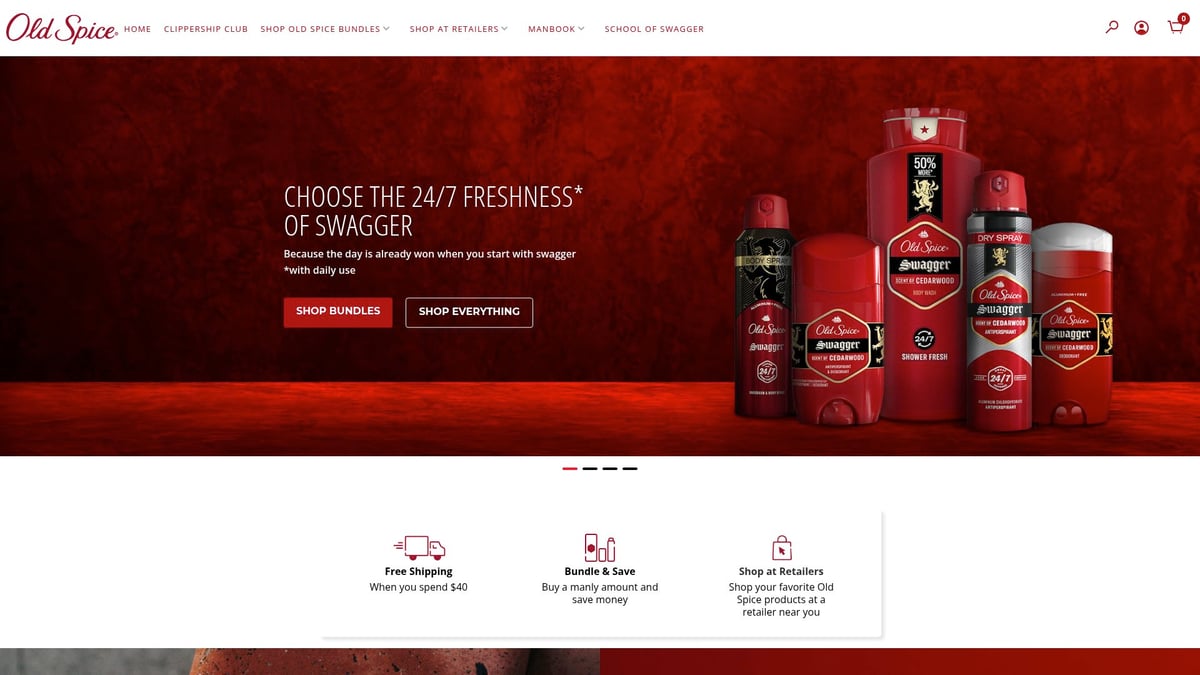
A key strength is its broad appeal: both men and women (buying for men) find the humor accessible and memorable. However, the fast-paced comedy sometimes overshadows product benefits, which can be a drawback for more detail-oriented shoppers.
Pros:
- Cross-demographic engagement
- Massive online traction
Cons:
- Product details may get lost in the comedy
Pricing: Mid-range grooming products
Use Case: TV, digital, influencer partnerships
Old Spice’s approach shows how humorous advertising examples can rejuvenate legacy brands and reach new audiences.
Snickers – “You’re Not You When You’re Hungry” Series
Snickers’ “You’re Not You When You’re Hungry” series has become a gold standard for humorous advertising examples. Featuring celebrity cameos and situational comedy, the campaign’s catchphrase is now part of pop culture.
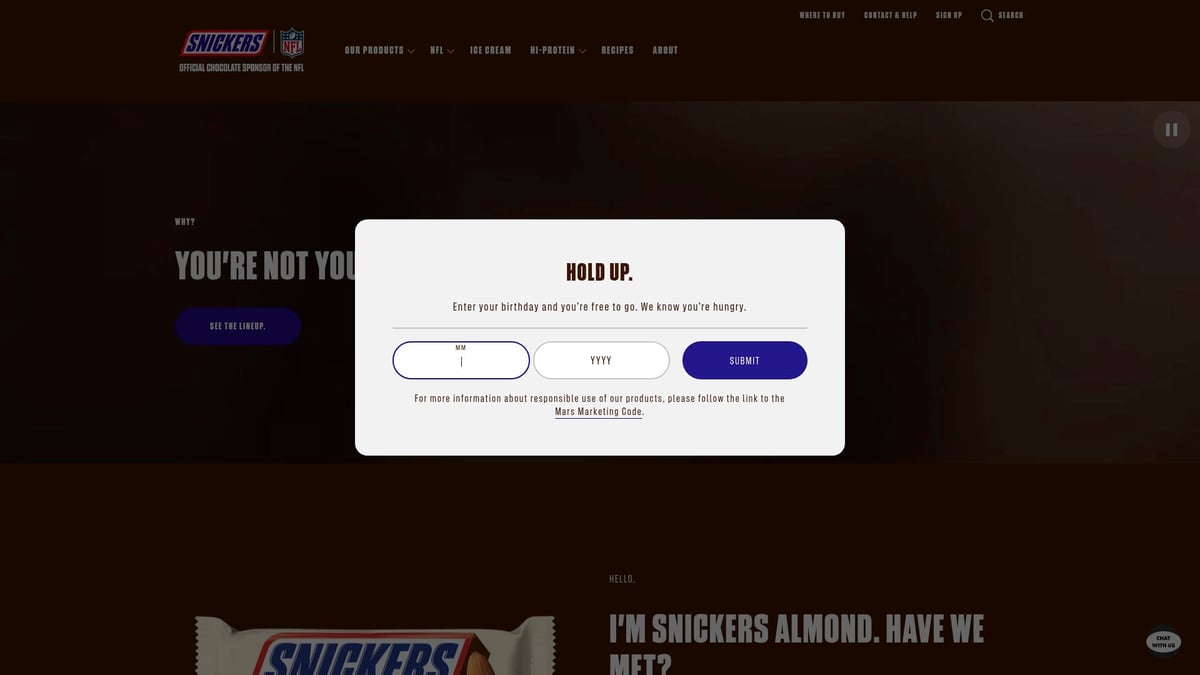
The universal message makes these ads adaptable across markets, appealing to all ages. The risk of campaign fatigue exists, but ongoing creative refreshes have kept the humor relevant and engaging.
Pros:
- Global adaptability
- Long-term brand association
Cons:
- Potential for diminishing returns over time
Pricing: Standard candy bar
Use Case: TV, print, social, sponsorships
Snickers demonstrates how humorous advertising examples can drive recall and create a lasting brand identity.
The Creative Stable – “No Box Creativity” Campaign
The Creative Stable’s “No Box Creativity” campaign is a standout in humorous advertising examples for B2B audiences. With playful visual gags and a fresh take on “thinking outside the box,” these ads spotlight the agency’s flexible, custom solutions.
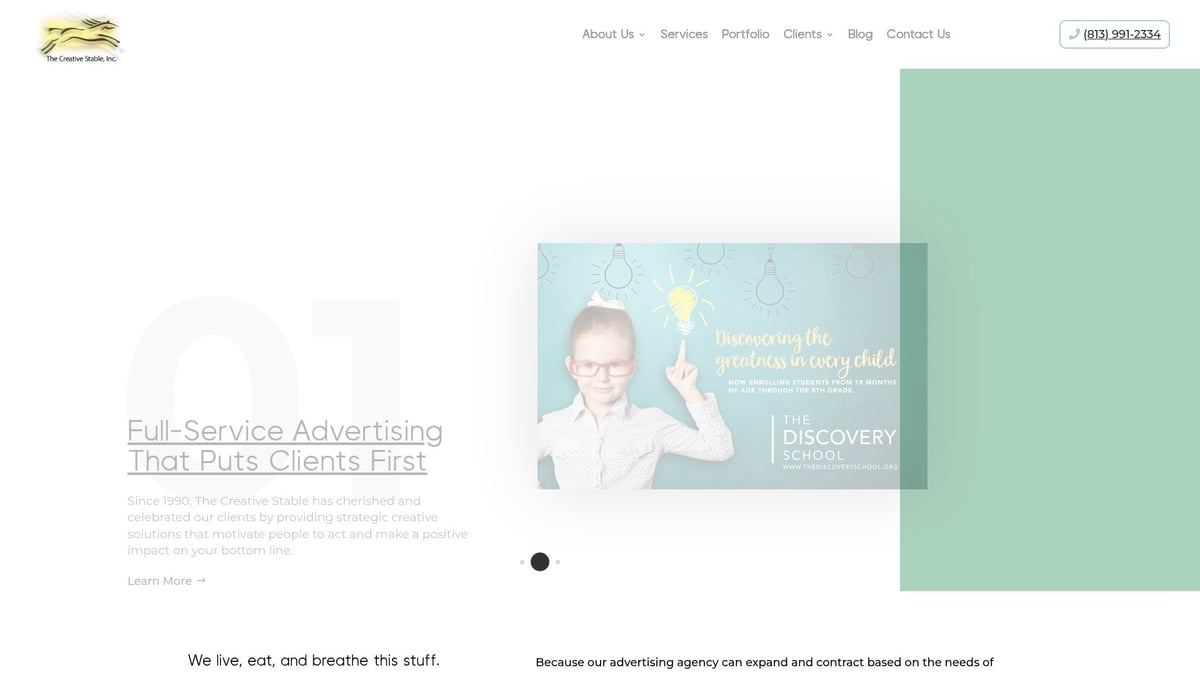
The campaign is tailored for small and mid-sized businesses, using humor to differentiate from more traditional agencies. While the approach is memorable, it may not resonate with larger corporations seeking a more conservative tone.
Pros:
- Memorable branding
- Highlights creative approach
Cons:
- Niche appeal
Pricing: Custom quotes per project
Use Case: Digital ads, website, client presentations
This example proves that humorous advertising examples are not limited to consumer brands—B2B can benefit from wit and visual storytelling.
KFC – “FCK” Apology Print Ad
KFC’s “FCK” apology ad is a masterclass in crisis management among humorous advertising examples. After a supply chain crisis, the brand used self-deprecating humor to humanize its response and diffuse negative sentiment.
The ad struck the right balance, earning viral PR and positive public feedback. However, the tone required careful calibration to avoid misinterpretation, making it a high-risk, high-reward move.
Pros:
- Viral impact
- Humanizes the brand
Cons:
- Risky if tone is misjudged
Pricing: Fast food value segment
Use Case: Print, digital, crisis communications
KFC’s campaign underscores how even in challenging moments, humorous advertising examples can turn setbacks into opportunities.
Apple – “Get a Mac” (“I’m a Mac, I’m a PC”) Series
Apple’s “Get a Mac” campaign excels among humorous advertising examples by personifying its brand values through character-driven humor. The playful rivalry between Mac and PC highlights product differences in a relatable, memorable way.
The humor is subtle, focusing on clear differentiation rather than over-the-top jokes. While this approach fostered strong affinity among tech users, it occasionally provoked backlash from competitors.
Pros:
- High relatability
- Distinct brand positioning
Cons:
- May invite competitive responses
Pricing: Premium computing devices
Use Case: TV, web, event marketing
Apple’s example shows that humorous advertising examples can elegantly reinforce product strengths and brand personality.
Skittles – “Taste the Rainbow” Surreal Ads
Skittles’ “Taste the Rainbow” campaign is a benchmark in absurdist humor, making it one of the most distinctive humorous advertising examples for Gen Z. The offbeat, surreal scenarios are visually striking and designed for high recall.
While these ads are highly shareable and visually unique, their bizarre humor can be polarizing, sometimes confusing older audiences or those unfamiliar with the brand’s tone.
Pros:
- Viral potential
- Strong visual identity
Cons:
- May not resonate with all demographics
Pricing: Affordable candy
Use Case: TV, social, experiential marketing
Skittles illustrates how humorous advertising examples can break conventions and win younger consumers.
Geico – “Hump Day” Camel Commercial
Geico’s “Hump Day” commercial rounds out our list of humorous advertising examples with its lovable camel and workplace humor. The memorable catchphrase and relatable office scenario quickly achieved meme status.

This campaign’s mass appeal helped Geico maintain top-of-mind awareness, though the humor sometimes overshadowed the core insurance product.
Pros:
- Broad appeal
- Memorable and meme-worthy
Cons:
- Product message can get lost
Pricing: Variable insurance rates
Use Case: TV, digital, social media
Geico’s approach confirms that humorous advertising examples can create cultural moments and drive brand recall across a wide audience.
Key Elements That Make Humorous Ads Work
Humor is a fine art in advertising, and mastering it can set your campaigns apart. When reviewing humorous advertising examples, certain elements consistently drive success. Let us break down the building blocks that make humor work, so your next campaign can stand out and resonate.
Timing: The Right Delivery Makes All the Difference
In humorous advertising examples, timing is everything. A well-placed punchline captures attention and ensures the joke lands. Whether in a quick six-second TikTok or a TV spot, comedic timing dictates whether humor feels spontaneous or forced. Great timing keeps audiences engaged and boosts recall.
Authenticity: Keeping Humor Genuine
Consumers can sense when humor is authentic. Forced jokes can backfire, making campaigns feel insincere. The most effective humorous advertising examples use wit that aligns with the brand’s natural voice. Authenticity gives the audience confidence to laugh along, building trust and affinity.
Relevance: Tying Humor to Brand and Audience
Humor must fit the brand’s values and the audience’s expectations. The best humorous advertising examples are not just funny—they are relevant. Brands that understand their audience’s sense of humor create stronger emotional connections. For more on strategic alignment, see Creative advertising strategies.
Visual Storytelling: Amplifying Comedy Beyond Words
Visual and audio cues elevate simple jokes into memorable moments. Facial expressions, sound effects, and clever editing can turn basic concepts into viral humorous advertising examples. Visual storytelling allows humor to transcend language barriers and reach wider audiences.
Integration with Platforms: Adapting for Every Channel
Each digital platform has its own language. Short-form content on TikTok demands rapid-fire jokes, while YouTube allows for longer comedic narratives. Adapting humorous advertising examples to platform strengths ensures the message feels fresh and native, maximizing engagement.
Testing and Feedback: Refining What Resonates
Even the best jokes require testing. A/B testing different punchlines or visual gags helps optimize for effectiveness. Gathering feedback ensures that the humor lands as intended and avoids potential pitfalls. This process is vital for refining memorable humorous advertising examples.
Data Insights: Measuring the Impact of Humor
Research supports the power of humor. Studies confirm that humorous advertising examples increase ad recall and purchase intent. For a deeper dive, review the Humor Appeal in Advertising Study, which explores why certain comedic elements succeed. Brands that leverage these insights consistently outperform competitors in engagement and brand affinity.
Mastering these elements will help you create humorous advertising examples that not only entertain but also drive real business results. The right blend of timing, authenticity, relevance, and data-driven refinement is your formula for success.
How to Leverage Humor for Your Own Brand in 2026
Injecting laughter into your brand’s campaigns can create lasting connections, but it requires more than just telling jokes. To make your mark with humorous advertising examples, a strategic and thoughtful approach is essential. Let’s break down the steps that will help you unlock the power of humor for your brand in 2026.
Assess Your Brand and Audience
Start by evaluating if humor fits your brand’s core identity. Not every brand benefits from a comedic approach. Consider your brand values, tone, and market positioning. Do your competitors use humorous advertising examples, or is there a gap you can fill?
Next, research your audience’s preferences and sense of humor. What resonates with them? Are they drawn to witty, satirical, or slapstick styles? Use surveys, social listening, and feedback to pinpoint what makes your target market laugh. This foundation ensures your humor connects rather than alienates.
Build Humor into Your Creative Process
Once you confirm the fit, assemble a creative team with a knack for humor. Brainstorm ideas that align with your brand’s story and message. Write scripts that blend authenticity, timing, and relatability. Remember, the most successful humorous advertising examples build on real human insights and everyday moments.
Storytelling is a powerful vehicle for humor. Explore how the power of human storytelling enhances ad narratives and deepens engagement. Test your ideas with focus groups or A/B testing to refine punchlines and delivery, ensuring your message lands as intended.
Stay alert to cultural nuances and sensitivities. What’s funny in one market may not translate in another. Review your content for potential misinterpretations and adjust accordingly to avoid controversy.
Track Results and Learn from Success
Measuring the impact of your humorous advertising examples is crucial. Monitor engagement rates, shares, and sentiment on social platforms. Compare these metrics to your previous campaigns to gauge effectiveness.
Consider a case where a small local bakery launched a series of playful video ads poking fun at baking fails. Their lighthearted approach led to a 35% increase in social engagement and a noticeable uptick in sales, proving that humor, when well-executed, delivers measurable results.
Analyze feedback and adapt future campaigns based on what works best. Success with humor often requires ongoing iteration and learning.
Actionable Tips for Humorous Advertising in 2026
To implement effective humorous advertising examples, follow these steps:
| Step | Action Point |
|---|---|
| 1. Brand Audit | Revisit your brand guidelines and voice |
| 2. Audience Insights | Use data tools and surveys to map humor preferences |
| 3. Creative Workshops | Host brainstorming sessions with diverse teams |
| 4. Pre-Launch Testing | Run A/B tests and gather honest feedback |
| 5. Multichannel Approach | Adapt humor for social, video, and experiential channels |
| 6. Measure and Refine | Track KPIs and optimize based on results |
Stay current with advertising messaging trends 2026 to ensure your approach remains fresh and effective. Embrace humor as a dynamic tool, and your brand will stand out with memorable, shareable campaigns.
As we’ve seen, humor can transform your brand message, helping you stand out and connect on a more personal level with your audience. If you’re inspired by these brilliant examples and want to explore how creative, strategic humor could elevate your campaigns in 2026, let’s start a conversation. At The Creative Stable, we blend decades of marketing expertise with fresh, flexible solutions tailored to your unique needs. Ready to bring a touch of wit and measurable results to your next project? Let’s Connect and spark something unforgettable together.