The real estate market in 2026 is more competitive than ever, demanding that agents rethink their approach to real estate agent advertising. For instance, in my home state of Florida, the real estate market is normalizing in early 2026, with cooling price growth and increased inventory after years of frenetic activity. Yet, steady population influx and low supply in some areas keep demand strong, especially for rentals, with forecasts expecting flat to modest price changes after recent dips, setting up a potential rebound in late 2026 driven by lower rates and investor interest.
Innovative strategies are now essential for standing out and attracting serious clients. In this article, you will discover 9 powerful, actionable tips designed to help you excel in real estate agent advertising as the market evolves. From leveraging cutting-edge digital marketing techniques to mastering hyperlocal outreach, these strategies will empower you to gain an edge. Ready to elevate your results and outperform the competition? Dive in to unlock expert insights tailored for today’s dynamic market.
The Evolving Landscape of Real Estate Advertising in 2026
The landscape of real estate agent advertising in 2026 is undergoing dramatic transformation. Agents face a marketplace where innovation is not just an advantage but a necessity. New technologies, shifting demographics, and rapidly evolving buyer expectations are rewriting the rules for success.
Major Trends Shaping Real Estate Agent Advertising
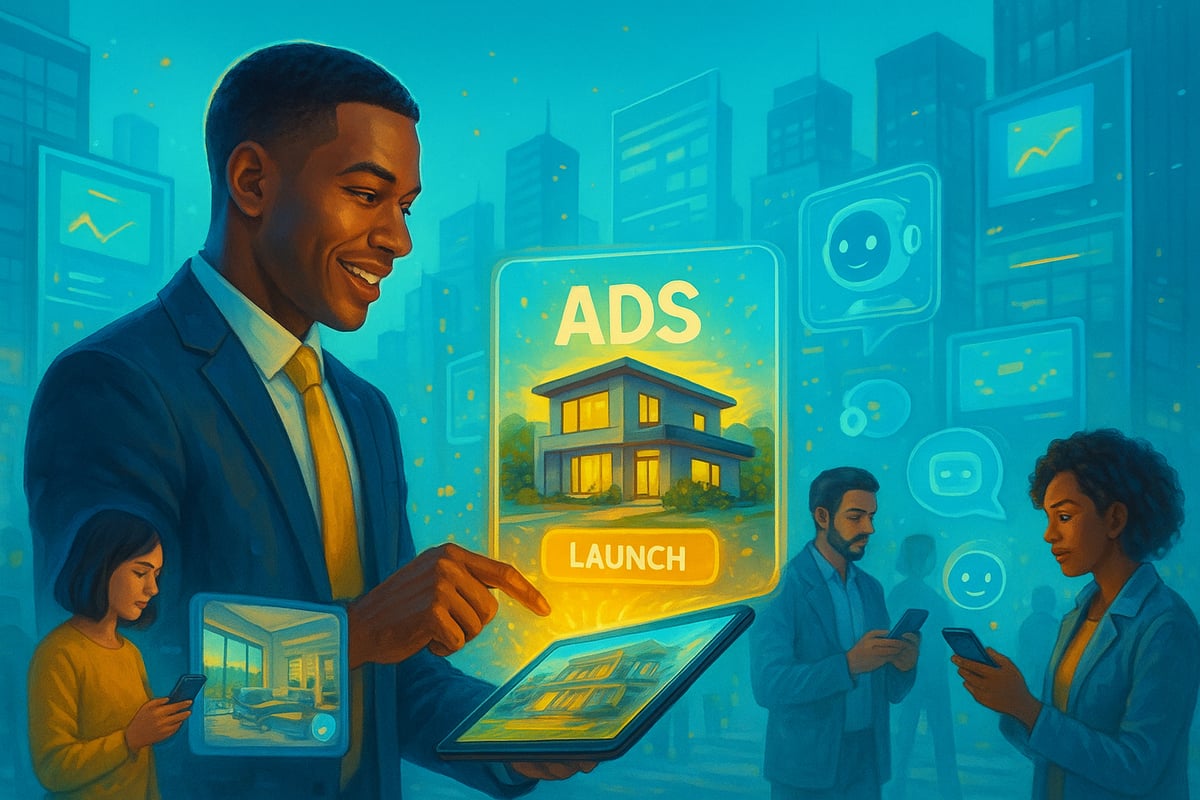
One of the most significant trends is the rise of AI-driven personalization. Algorithms now analyze vast amounts of data, enabling agents to deliver tailored ads based on individual buyer behavior and preferences.
Video is another dominant force. Short-form video tours, live-streamed open houses, and interactive walkthroughs are captivating audiences, with 85% of buyers preferring video content over static images.
Buyer demographics are shifting, too. Millennials and Gen Z are now the largest groups of homebuyers, demanding transparency, speed, and authenticity from every real estate agent advertising campaign.
Impact of Emerging Technologies
Technologies such as augmented reality (AR) and virtual reality (VR) are revolutionizing property marketing. Virtual tours and 3D walkthroughs allow buyers to explore homes from anywhere, reducing the need for in-person visits and shortening transaction times.
AI chatbots have become indispensable, offering instant responses to inquiries and guiding prospects through the buying journey 24/7. These tools not only enhance the customer experience but also free up agents to focus on high-value activities.
Data Table: Digital Ad Spend Growth
A look at the numbers highlights the digital shift in real estate agent advertising:
| Year | Digital Ad Spend (USD) |
|---|---|
| 2022 | $15B |
| 2024 | $20B |
| 2026 | $25B |
Statista projects digital ad spend in real estate will reach $25 billion in 2026, reflecting the industry’s commitment to online channels.
Adapting to Changing Consumer Expectations
Today’s buyers expect instant, on-demand information. Mobile-first browsing is the norm, making responsive design and seamless mobile experiences critical for any real estate agent advertising strategy.
Authentic agent branding is now a must. Consumers want to connect with real people, not faceless companies. Agents who share their story, values, and local expertise are building stronger relationships and trust.
Overcoming Key Challenges
With more agents investing in digital marketing, competition is fierce. Ad fatigue can set in quickly, making it crucial to refresh creative assets and messaging often.
Privacy regulations are tightening, requiring agents to be transparent about data collection and usage. Striking the right balance between personalization and privacy is essential.
Integrating Offline and Online Marketing
While digital dominates, integrating offline and online strategies maximizes reach. Successful agents combine targeted online ads with community events, direct mail, and local partnerships.
For example, agents who blend neighborhood Facebook ads with in-person open houses are seeing increased engagement and higher conversion rates.
Agents who adapt traditional tactics to fit a digital-first world are standing out. For more insights on these shifts, see digital media advertising trends, which explores the latest strategies driving results.
The evolving landscape of real estate agent advertising demands agility, creativity, and a willingness to embrace new tools. By understanding these trends, agents can position themselves for sustained success in 2026.
9 Powerful Real Estate Agent Advertising Tips for 2026
In 2026, real estate agent advertising is more dynamic and competitive than ever. Agents must combine digital savvy with local expertise to capture attention and drive results. The following nine strategies are designed to help you excel in this evolving landscape, making sure your real estate agent advertising delivers measurable impact.
1. Embrace Hyperlocal Digital Advertising
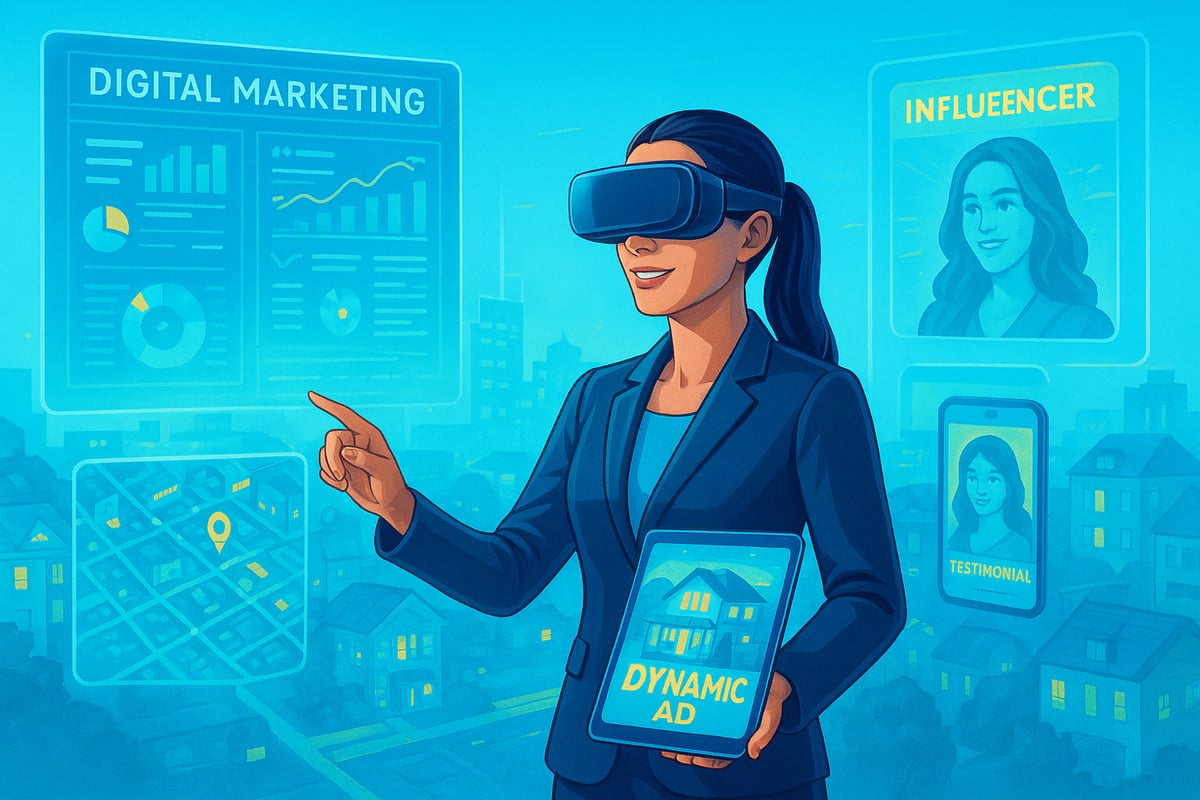
Hyperlocal targeting is transforming real estate agent advertising by connecting agents with buyers and sellers exactly where they live. Instead of broad campaigns, focus on specific neighborhoods, ZIP codes, or even streets for maximum relevance.
Platforms like Nextdoor, Facebook Local, and Google Local Services enable agents to deliver ads tailored to hyperlocal audiences. For example, an agent using hyperlocal Facebook Ads in a single subdivision saw lead generation triple within two months.
Geofencing takes this approach even further, letting you serve ads to users as they enter predefined areas. To learn more, explore geofencing for hyperlocal ads for advanced techniques.
Craft ad content that resonates with local events, market stats, and neighborhood culture. Highlight community involvement or recent sales nearby to build trust. Hyperlocal real estate agent advertising leads to higher engagement, more qualified inquiries, and a stronger community presence.
2. Leverage Short-Form Video and Live Streaming
Short-form video is now a cornerstone of real estate agent advertising, with 85% of buyers expressing a preference for video tours. Platforms like TikTok, Instagram Reels, and YouTube Shorts offer agents the chance to showcase properties in creative, bite-sized formats.
Live streaming open houses or Q&A sessions can foster real-time engagement. Consider broadcasting walkthroughs or client interviews to build authenticity. One agent attributed 10 closed deals in a single quarter to live-streamed home tours, demonstrating the power of video-based real estate agent advertising.
For best results, keep videos concise, use natural lighting, and prioritize authenticity over perfection. Incorporate captions and local highlights to engage viewers. Consistent video content builds familiarity, trust, and a loyal audience.
3. Invest in AI-Powered Ad Targeting and Personalization
Artificial intelligence is revolutionizing real estate agent advertising by refining audience targeting and automating ad placements. Tools like Google Ads and Facebook Advantage+ use AI to analyze user behavior, search history, and preferences, ensuring your ads reach the right people at the right time.
Personalization increases engagement and conversion rates. For example, an agent using AI-driven retargeting saw a significant boost in qualified leads. By automatically adjusting ad creative and timing, campaigns become more efficient and cost-effective.
Balance automation with a personal touch by customizing messages and responding promptly to inquiries. AI enhances real estate agent advertising, but genuine human interaction still drives trust and loyalty.
4. Utilize Interactive and Immersive Content (AR/VR)
Immersive content, such as AR/VR virtual tours, is rapidly gaining traction in real estate agent advertising. Tools like Matterport and Zillow 3D Home make it easy to create interactive floor plans and walkthroughs that allow buyers to explore properties virtually.
Listings enhanced with immersive content see up to 40% faster sales. Interactive experiences help buyers visualize themselves in the home, reducing time on market and increasing interest.
Integrate AR/VR into your real estate agent advertising by highlighting unique features, offering guided tours, and sharing 3D content on social media. Steps include capturing high-quality imagery, using 3D scanning tools, and embedding interactive tours in your listings.
5. Optimize for Voice and Visual Search
Voice assistants and visual search tools are reshaping how buyers discover properties. Real estate agent advertising must adapt by optimizing listings for voice queries through natural, conversational keywords.
Use schema markup to help search engines understand your listings, and invest in high-quality images to improve performance in visual search platforms like Google Lens. Agents who optimized for voice search reported a 25% increase in inquiries.
Focus on phrases buyers might speak, such as “homes with a pool near downtown.” Visual search optimization ensures your listings stand out when users snap photos to find similar properties. This approach modernizes real estate agent advertising for tech-savvy clients.
6. Maximize Social Proof and Client Testimonials
Trust is a cornerstone of effective real estate agent advertising. Social proof, such as video testimonials, Google reviews, and social endorsements, reassures potential clients and improves ad performance.
Collect client testimonials after successful transactions, and incorporate them into ad creatives and landing pages. Ads featuring real reviews see up to 30% higher click-through rates. Use video snippets for added authenticity.
Encourage satisfied clients to share their experiences on social media, and always request permission before using their feedback. Thoughtful integration of testimonials elevates real estate agent advertising and builds lasting credibility.
7. Run Strategic Pay-Per-Click (PPC) Campaigns
Pay-per-click advertising remains a vital part of real estate agent advertising in 2026. Platforms such as Google Ads, Bing, Facebook, and Instagram allow agents to reach buyers and sellers at key moments in their journey.
Set up targeted campaigns by focusing on intent-based keywords and audience segments. Allocate budgets wisely, monitor bids, and track metrics like cost per lead (CPL), click-through rate (CTR), and conversion rate. For in-depth guidance on maximizing PPC, see pay-Per-Click marketing strategies.
A well-optimized campaign can double your leads, as seen with agents who refined their targeting and creative assets. Consistent analysis and adjustment are essential for successful real estate agent advertising in PPC.
8. Nurture Leads with Automated Email and SMS Campaigns
Automation is key to keeping prospects engaged throughout the buying journey. Tools like Mailchimp, HubSpot, BombBomb, and SMS platforms help agents deliver timely, personalized follow-ups.
Segment your audience based on interest, location, or stage in the process. Automated workflows can deliver property alerts, appointment reminders, and market updates. Agents using automated SMS reminders reported a 50% increase in appointment rates.
Always respect privacy and comply with anti-spam regulations. Consistent, relevant communication nurtures relationships and boosts the effectiveness of real estate agent advertising.
9. Collaborate with Local Influencers and Community Partners
Partnering with local influencers and businesses expands your reach and adds authenticity to real estate agent advertising. Co-branded campaigns, sponsored posts, and neighborhood events increase exposure within your target market.
For example, an agent collaborating with a local influencer on neighborhood tours saw a notable boost in brand awareness. Look for partners who align with your values and have strong community ties.
Approach potential collaborators with clear value propositions, and focus on mutually beneficial relationships. Strategic partnerships elevate your real estate agent advertising and foster deeper community connections.
Future-Proofing Your Real Estate Advertising Strategy
The rapid pace of change in real estate agent advertising means that staying ahead is not just an advantage, but a necessity. Agents who future-proof their advertising strategies position themselves for sustained success, even as new platforms, technologies, and regulations reshape the landscape.
Adapting to New Platforms and Trends
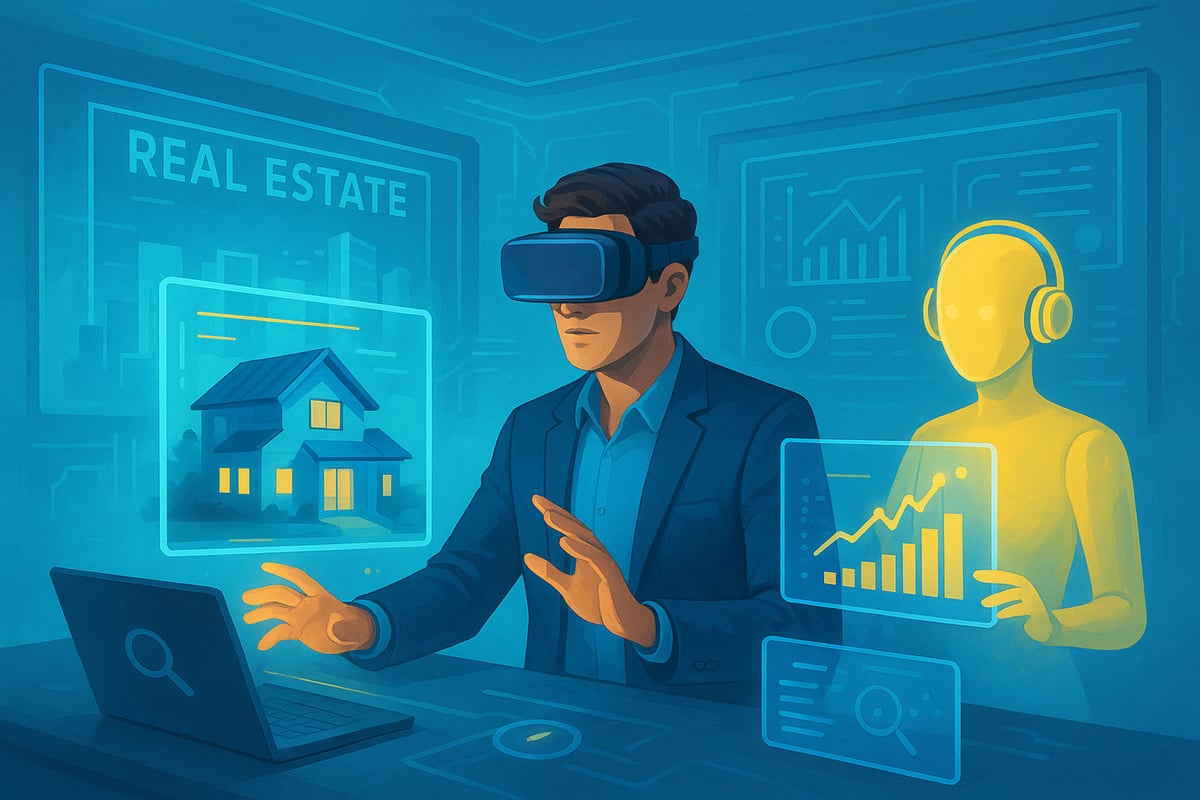
To remain competitive, real estate professionals must continuously scan the horizon for emerging platforms and technologies. The adoption of virtual reality, AI-driven marketing, and even the metaverse is accelerating. Agents who quickly test and deploy these innovations often capture market share before their competitors react.
Reviewing resources like Emerging Real Estate Trends 2026 offers crucial insights into new opportunities and risks, helping you shape a flexible real estate agent advertising plan.