In 2026, digital competition has reached new heights. Businesses everywhere are asking whether their ads are being seen or simply fading into the background.
This guide is designed to demystify pay per click marketing for today’s evolving landscape. If you want your campaigns to stand out, you need strategies grounded in expertise and measurable results.
We’ll help you understand the fundamentals, highlight major platform trends, and share advanced tactics that work. You’ll also find step-by-step campaign optimization tips to ensure long-term success. Rapid ROI, industry shifts, and proven methods await—let’s unlock your PPC potential for 2026.
Understanding Pay Per Click Marketing in 2026
In 2026, pay per click marketing stands at the forefront of digital advertising innovation. Over the past six years, PPC has seen remarkable growth, driven by increasing ad spend, new platform launches, and a more sophisticated user base. In 2022, for every dollar spent, marketers saw a twofold return, and the average cost-per-click was $1.16, according to Search Engine Land.
AI and automation now power campaign management, streamlining tasks that once required hours of manual work. Advertisers leverage new ad formats, with seamless integration into voice assistants, interactive video, and social commerce. The surge of YouTube and TikTok PPC campaigns highlights the shift toward visually engaging content. At the same time, evolving privacy regulations are reshaping data collection and audience targeting, requiring marketers to adopt more transparent and compliant strategies.

The Evolution of PPC: 2020–2026
Pay per click marketing has rapidly evolved from simple search ads to a multifaceted ecosystem spanning search, display, video, and social platforms. Ad spend has soared as brands recognize PPC’s ability to deliver measurable results quickly. Platforms like Google Ads, Meta, and TikTok have expanded their offerings, introducing AI-powered tools that automate keyword selection, bidding, and creative testing.
New ad formats, such as shoppable videos and voice-activated ads, are now mainstream. The rise in privacy regulations, including GDPR and CCPA, has prompted marketers to adopt privacy-first approaches, focusing on first-party data and consent-driven targeting. For example, more brands are investing in YouTube and TikTok campaigns as video content drives higher engagement and conversion rates.
PPC vs. SEO vs. SEM: What’s the Difference?
Understanding the distinctions between pay per click marketing, SEO, and SEM is crucial for building an effective digital strategy. PPC refers to paid ads where advertisers pay for each click. SEO, or search engine optimization, focuses on improving organic rankings and long-term visibility. SEM, or search engine marketing, is the umbrella term that includes both PPC and SEO.
PPC offers immediate visibility and traffic, making it ideal for product launches or time-sensitive promotions. SEO, on the other hand, builds authority and organic reach over time. Many marketers use both in tandem, deploying PPC for instant results while developing SEO for sustainable growth. For further insights on best practices, visit PPC advertising best practices.
Why PPC Remains Essential
Pay per click marketing remains indispensable in 2026 because it provides instant exposure and drives targeted traffic. Advertisers can precisely target audiences by demographics, interests, and behaviors, ensuring ads reach those most likely to convert.
PPC’s flexibility allows for real-time budget adjustments and detailed goal tracking, making it easy to measure ROI and optimize campaigns. Brands often use PPC to complement organic efforts, especially during reputation management events or seasonal campaigns. For example, companies can launch targeted PPC ads to address customer concerns or highlight new initiatives, ensuring their message is seen promptly.
Key PPC Terminology for 2026
To navigate pay per click marketing effectively, understanding core terminology is essential. Key terms include:
| Term | Definition |
|---|---|
| CPC (Cost Per Click) | The amount paid for each ad click |
| CPM (Cost Per Mille) | Cost per thousand ad impressions |
| CPA (Cost Per Action) | Cost incurred for a specific action (e.g., signup) |
| Quality Score | A metric measuring ad relevance and performance |
| Ad Rank | Determines ad placement on search results |
New terms for 2026 include AI-driven bidding, data privacy compliance, and advanced audience segmentation. Mastering these concepts helps marketers plan, execute, and report on successful PPC campaigns.
Top PPC Platforms and Ad Types in 2026
Navigating the ever-evolving landscape of pay per click marketing requires a keen understanding of where your ads will perform best. In 2026, the diversity of platforms and ad types empowers marketers to reach audiences across every stage of the digital journey.
Major Platforms Overview
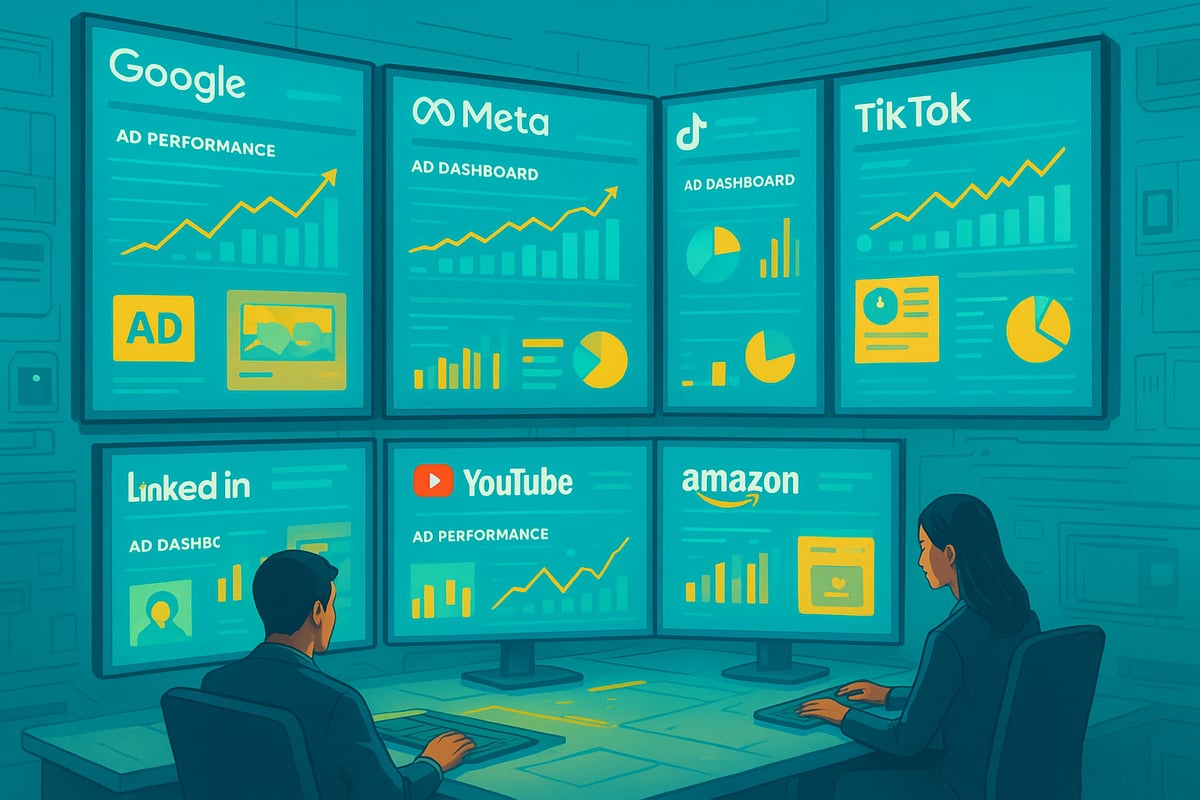
The ecosystem of pay per click marketing platforms has expanded dramatically. Google Ads remains the industry leader, offering Search, Display, Shopping, and Performance Max campaigns for broad and granular targeting. Microsoft Advertising (Bing) is favored for its unique audience segments, often overlooked by competitors.
Social channels are equally essential. Meta (Facebook and Instagram) continues to innovate with immersive ad formats, while TikTok and LinkedIn cater to younger consumers and B2B audiences, respectively. X (Twitter) offers conversational ad opportunities, and YouTube dominates video advertising with new interactive formats.
For eCommerce, Amazon and emerging marketplaces are critical, providing sponsored product placements and advanced intent targeting. To stay ahead, marketers must adapt to platform-specific trends, as highlighted in PPC Trends 2026: 10 Must-Follow Strategies.
Search Ads
Search ads are the backbone of pay per click marketing, connecting users with solutions at the moment of intent. On Google and Bing, advertisers bid on keywords to display text ads above organic results. In 2026, AI-powered keyword suggestions and automation streamline campaign management, reducing manual guesswork.
Geo-targeted search ads allow local businesses to reach nearby customers effectively. For example, a restaurant chain can promote seasonal menus to users searching for lunch options within a specific radius. With pay per click marketing, immediate visibility and real-time optimization are within reach for brands of any size.
Display & Programmatic Ads
Display and programmatic ads have evolved to offer more sophisticated targeting and creative formats. Banner and native ads appear across millions of sites, while programmatic technology uses AI for real-time bidding and optimal placement.
Year-over-year increases in display and programmatic spend show advertisers’ confidence in these channels. Dynamic retargeting, a core strategy in pay per click marketing, enables brands to re-engage site visitors with personalized creative. For example, an online retailer can showcase products a user viewed, encouraging return visits and conversions.
Video & YouTube Ads
Video advertising is a powerhouse in pay per click marketing, driven by YouTube’s dominance and the rise of short-form content. Ad formats include skippable and non-skippable in-stream ads, bumper ads, and in-feed placements, each designed for specific campaign objectives.
Targeting options have grown more sophisticated, leveraging demographics, interests, and behavioral signals. Brands use YouTube Shorts for product demos and storytelling, capturing attention with engaging, bite-sized content. Pay per click marketing through video builds awareness and drives action with measurable performance.
Social PPC: Facebook, Instagram, TikTok, LinkedIn
Social PPC offers a rich mix of ad types, from carousels and stories to reels and sponsored content. Platforms like Facebook and Instagram support advanced targeting using lookalike audiences and custom segments, essential for pay per click marketing success.
On LinkedIn, B2B marketers generate high-quality leads, while TikTok’s viral nature amplifies brand reach with creative, interactive ads. Platform-specific trends, such as TikTok’s surge in ad engagement, highlight the importance of tailoring strategies. Pay per click marketing on social channels enables brands to adapt quickly and connect authentically with diverse audiences.
Building a Winning PPC Strategy for 2026
Success with pay per click marketing in 2026 starts with a clear, structured approach. As platforms evolve and competition increases, a winning strategy requires precision, data, and ongoing optimization. Let us explore the essential pillars that drive high-performing PPC campaigns in today’s digital landscape.
Setting Clear Objectives and KPIs
Every pay per click marketing campaign must begin with well-defined goals. Are you aiming for brand awareness, website traffic, lead generation, or direct sales? Clear objectives guide all tactical decisions and make success measurable.
Selecting the right KPIs ensures you track progress accurately. Common KPIs include Click-Through Rate (CTR), Conversion Rate, Return on Ad Spend (ROAS), and Cost Per Acquisition (CPA).
| Objective | Primary KPI | Secondary KPI |
|---|---|---|
| Traffic | CTR | Bounce Rate |
| Leads | Conversion Rate | CPA |
| Sales | ROAS | Revenue |
| Awareness | Impressions | Reach |
Aligning pay per click marketing goals with your broader business strategy guarantees that every ad dollar supports long-term growth.
Audience Research and Segmentation
Understanding your audience is the cornerstone of pay per click marketing. Start by defining your ideal customer profile using demographic data, interests, and purchase behaviors. Modern tools powered by AI can uncover valuable insights, allowing for precise micro-segmentation.
Consider segmenting audiences by:
- Life stage (student, professional, retiree)
- Purchase intent (researcher, ready-to-buy)
- Device usage (mobile, desktop, tablet)
Effective segmentation ensures your ads reach the right people at the right time. This leads to higher engagement and increased ROI for your pay per click marketing initiatives.
Advanced Keyword Research in 2026
Keyword strategies for pay per click marketing have become more sophisticated with AI-driven tools. These tools analyze search intent, predict trending queries, and suggest long-tail keywords that capture high-converting traffic.
Voice and conversational search trends are reshaping keyword lists. Focus on phrases customers naturally use, such as “best budget smartphone for students” or “where to buy eco-friendly office supplies.”
Using predictive analytics, you can anticipate seasonal spikes and adjust campaigns proactively. This approach keeps your pay per click marketing agile and relevant.
Crafting Compelling Ad Copy and Creative
Ad copy and visuals are the frontline of pay per click marketing. Write concise headlines and descriptions tailored to your audience’s needs and motivations. Personalization, such as dynamic keyword insertion or tailored offers, can significantly increase engagement.
A/B test different creative elements, from images to calls-to-action, to identify what resonates best. Interactive ad formats, like polls or mini-quizzes, can boost user interaction and brand recall.
Regularly updating your creative assets ensures your pay per click marketing stays fresh and competitive in a crowded landscape.
Landing Page Optimization for Higher Conversions
A seamless user journey from ad to landing page is vital for pay per click marketing success. Prioritize relevance—ensure your landing page matches the ad’s promise. Fast load times and mobile-first design are mandatory for retaining visitors.
Personalize landing page content with dynamic elements, such as location-specific offers or product recommendations. AI tools can help tailor experiences based on user data.
For example, an eCommerce brand might display different promotions depending on the visitor’s device or previous browsing behavior. Optimized landing pages maximize the value of your pay per click marketing spend.
Budgeting and Bidding Strategies
Effective budgeting and bidding are at the core of pay per click marketing performance. Set platform-specific budgets based on historical data and campaign objectives. Decide when to use manual bidding for control or automated smart bidding for efficiency.
Explore options like target CPA, maximize conversions, or ROAS bidding. AI-driven platforms can allocate budgets dynamically, adjusting bids by device, location, or even weather patterns.
To stay ahead of the curve, keep up with PPC Trends Shaping Digital Advertising in 2026, which highlights the latest advancements in AI-powered bidding and privacy-first targeting. Strategic budgeting ensures your pay per click marketing campaigns deliver consistent, measurable returns.
Step-by-Step PPC Campaign Setup and Optimization
Setting up a successful pay per click marketing campaign in 2026 requires a structured approach, technical expertise, and ongoing optimization. Each stage is crucial for maximizing your ad spend and achieving measurable results. Let’s break down the process into actionable steps, ensuring your campaigns are primed for performance in the current digital landscape.
Campaign Planning and Structure
The foundation of pay per click marketing success lies in careful planning and campaign organization. Start by defining your campaign’s primary objective, whether it’s driving sales, generating leads, or increasing brand awareness. Segment campaigns by theme, product line, or audience group for better control and clearer reporting.
Break each campaign into tightly themed ad groups. This allows for more precise targeting and easier performance analysis. For example, a multi-location business might create separate campaigns for each region, ensuring ads are relevant to local audiences. Using a clear structure also streamlines budget allocation and bid management across platforms.
Ad Creation and Approval Process
Crafting compelling ads is a core element of pay per click marketing. Focus on clear, benefit-driven headlines and concise descriptions that match your audience’s intent. Incorporate strong calls to action and use high-quality visuals that align with platform guidelines.
Each advertising platform has unique requirements for ad formats, character limits, and image specifications. Review these guidelines carefully before submitting ads for approval. Anticipate approval timelines and address any potential rejections by revising content or resolving policy issues quickly. Maintaining a creative asset library can accelerate the ad creation process.
Launch and Initial Monitoring
Once your pay per click marketing campaign is approved, prepare for launch by implementing robust tracking. Add UTM parameters to your URLs and install conversion pixels to measure performance accurately. Launch campaigns during optimal periods, such as when your target audience is most active.
Monitor early indicators like impressions, clicks, and click-through rate (CTR) in real time. Use dashboards to track performance as soon as your ads go live. Immediate monitoring allows you to identify any tracking errors or underperforming elements, so you can make adjustments before significant budget is spent.
Ongoing Optimization Techniques
Continuous optimization is the key to sustainable pay per click marketing results. Regularly review campaign data to spot trends in CTR, cost per click (CPC), and conversion rate. Pause or revise underperforming keywords and ad creatives, while reallocating budget to the best performers.
Test new ad variants and landing pages to improve engagement. Stay informed about platform updates and industry shifts. For insights on how major changes from Meta and Google could impact your optimization strategy, consider the analysis in the great PPC shake-up. Adapting quickly to new features and policies ensures your campaigns remain competitive.
Leveraging Automation and AI Tools
Harnessing automation and AI is increasingly vital in pay per click marketing. Set up automated rules to pause low-performing ads, adjust bids, or increase budget allocation for high-performing segments. Use AI-driven tools for predictive targeting, dynamic creative optimization, and real-time bid adjustments.
Smart bidding strategies, such as target CPA or ROAS, help maximize conversions while maintaining cost efficiency. Machine learning algorithms analyze user behavior and market trends, allowing your campaigns to adapt automatically. Integrating automation reduces manual workload and uncovers new growth opportunities.
Reporting and Measuring Success
Effective reporting is essential for evaluating pay per click marketing ROI. Build custom reports using tools like Google Analytics or platform dashboards. Track KPIs such as conversions, revenue, and cost per acquisition (CPA) to assess performance against your goals.
Present insights with visual summaries, such as charts or tables, for easier stakeholder understanding. Use attribution models to determine which touchpoints drive the most value. Regular analysis and transparent reporting support continuous improvement and inform future strategy adjustments.
Advanced PPC Strategies and Trends for 2026
As we look ahead to 2026, pay per click marketing is evolving at a rapid pace. Staying competitive means understanding the latest strategies, trends, and technologies shaping the industry. Let’s explore the advanced tactics and future-focused insights every marketer needs to thrive.
AI, Automation, and Machine Learning in PPC
Artificial intelligence is now at the core of pay per click marketing. In 2026, AI-powered platforms automate bidding, refine targeting, and optimize ad creatives with impressive precision. Tools analyze real-time data to predict campaign outcomes, recommend budget allocations, and identify top-performing segments. Brands use machine learning to reduce cost per acquisition and maximize ROI. According to PPC Statistics 2025: Trends, ROI, and Ad Spend Insights, automation drives higher returns and efficiency for marketers. Embracing AI ensures your campaigns adapt quickly to market changes and audience behavior.
Privacy, Data, and Compliance
With privacy regulations like GDPR and CCPA tightening, pay per click marketing strategies must prioritize data compliance. Marketers are shifting from third-party to first-party data, focusing on consent-based audience building. Transparent data practices and robust user controls are essential. Ad platforms now offer privacy-centric features, allowing advertisers to target effectively while respecting user preferences. Staying updated on compliance trends helps businesses avoid penalties and build trust with their audiences. In 2026, successful PPC campaigns balance personalization with privacy, ensuring ethical and effective outreach.
Voice and Visual Search Integration
The rise of voice assistants and visual search tools has transformed pay per click marketing. Campaigns now target conversational, long-tail keywords tailored for voice queries. Visual search, enabled by tools like Google Lens, allows users to shop or discover services by snapping photos. Retail brands leverage visual search ads to capture high-intent shoppers at the point of inspiration. Integrating these technologies into PPC strategies ensures your ads appear where and how modern consumers search, making your campaigns more relevant and accessible.
Cross-Channel and Omnichannel PPC
Modern customers interact with brands across multiple platforms and devices. Cross-channel pay per click marketing integrates PPC with SEO, email, and social media campaigns to deliver consistent messaging and seamless experiences. Omnichannel strategies use data to retarget audiences, track multi-touch attribution, and optimize spend across platforms. For example, a user might see a display ad, click a social ad, and convert after a search ad—each touchpoint tracked and measured. This holistic approach ensures every marketing dollar is accountable and every interaction drives results.
Remarketing and Audience Nurturing
Remarketing remains a cornerstone of pay per click marketing in 2026. Advertisers build segmented lists to re-engage users based on browsing behavior, purchase intent, or previous interactions. Dynamic remarketing delivers personalized ads, such as tailored offers for cart abandoners or product recommendations for returning visitors. B2B brands nurture leads with sequential messaging, guiding prospects along the buyer journey. Effective remarketing transforms one-time visitors into loyal customers, maximizing the value of every click and impression.
Future-Proofing Your PPC Strategy
To stay ahead, marketers must embrace continuous learning and agility. Monitor platform updates, experiment with new ad formats, and invest in certifications or industry webinars. Early adoption of innovations like voice commerce, smart shopping, and sustainability-focused ads can set your brand apart. For more on emerging trends, see 7 Key Trends to Shape Your Ecommerce PPC Strategy in 2026. A future-proof pay per click marketing approach anticipates change and positions your business for long-term growth.
The Creative Stable: Expert PPC Solutions for 2026
Unlock the full potential of pay per click marketing with The Creative Stable, Inc., your trusted partner for campaign success in 2026. Backed by over 30 years of digital advertising experience, our flexible team model ensures you only pay for what your business needs. We deliver advanced keyword research, AI-driven optimization, and custom landing pages across every major PPC platform. Our expertise spans Google Performance Max campaigns, Google Performance Max insights, and Meta advertising strategies, Meta advertising strategies driving measurable ROI for small to mid-sized businesses. Ready to elevate your results? Contact The Creative Stable today for a tailored strategy that delivers real growth.
As you’ve seen throughout this guide, mastering pay per click marketing in 2026 means staying ahead of trends, leveraging smart strategies, and making data-driven decisions that truly move the needle for your business. With so many new tools and platforms emerging, it helps to have a partner who understands both the art and science of PPC—and knows how to translate expertise into results. If you’re ready to take your campaigns to the next level and want a tailored approach that fits your goals and budget, let’s connect and explore how we can help you achieve measurable growth.