
In 2026, advertising messages must balance cutting-edge technology with authentic human connection. Consumers expect brands to be transparent, helpful and emotionally engaging. As one analyst puts it, 2026 will be the first year where AI-powered marketing…starts becoming the default, but the biggest trend is humanity. Audiences want brands that feel human, imperfect, present, conversational, and real.
In practice this means using AI and data to personalize and scale campaigns, while ensuring every message stays grounded in trust and genuine storytelling. Short-form video and immersive, omnichannel content are no longer optional. Social platforms and conversational search will dominate how messages are discovered. And with new privacy laws and economic pressures, marketers must emphasize value, transparency and first-party data. In short, success in 2026 will hinge on accountability, adaptability, and authenticity, using the technologies and formats consumers already embrace.

Advertising Messaging In Retail
Retailers have to make every moment of shopping count by blending online and offline experiences. AI‑driven personalization is table stakes: retailers can use real-time data (CDPs and generative AI) to tailor product recommendations, dynamic pricing, and promotions to each shopper’s behavior. For example, Sephora’s recommendation engine and Starbucks’s unified app-and-store platform show how AI and omnichannel tech boost conversions. Retail ads in 2026 should highlight convenience and experience. Think fast checkout, loyalty rewards, AR try-on demos or interactive style quizzes. They should also reflect values (e.g. sustainability or community focus) that resonate with today’s shoppers.
Best practices:
-
Hyper-personalize content. Use AI to auto-generate ad variations and retargeting messages so that each shopper sees relevant products/offers. (AI “helps automate, scale and analyze,” but brands add the “empathy and insight modern audiences reward.)
-
Unify channels. Emphasize seamless omnichannel service (e.g. “buy online, pick up in store”) and use consistent branding across email, social, app and in-store ads.asdonline.com
-
Leverage immersive formats. Create short-form video demos (TikTok/Reels) and AR/VR experiences (virtual try-ons, showroom tours) that let customers visualize products. Even brick-and-mortar stores can run localized social campaigns (e.g. zip-code targeting with store-specific deals).
-
Show trust signals. In retail ads, highlight guarantees, reviews and clear policies (free returns, secure payment) to give confidence. Research shows “timing is the biggest differentiator” in personalization – surfacing helpful info (reviews, shipping times) at key moments nudges decisionsblueconic.comblueconic.com.
Advertising Messaging In E‑Commerce
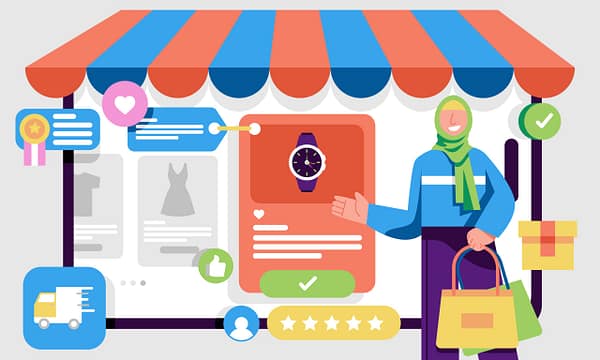
E‑commerce brands face fierce competition. Online sales are projected to reach ~21.1% of total retail sales by 2026. Every click must count. Advertising messages should emphasize ease, trust and speed. Use predictive personalization (AI that “learns and adapts over time) to serve tailored product ads and emails. For example, an abandoned-cart email can feature the exact items plus similar suggestions. Detail-oriented shoppers need confidence, making it critical to highlight verified reviews, delivery guarantees, and clear pricing (since confidence is the new currency” in ecommerce). Mobile optimization is critical—ads and checkout pages should load instantly and support quick one-click purchases. And because social commerce is booming, incorporate shoppable videos including short clips on Instagram, TikTok, or YouTube that link directly to products.
Best practices:
-
Real-time personalization. Leverage customer data to push context-aware ads (e.g. current weather or browsing history). Stream any behavior signals directly into personalization engines so the next product suggestion or ad adjusts instantly.
-
Highlight trust and convenience. Use ad copy that reassures (e.g. Free 2-day shipping! or Money-back guarantee). Surface key info on banners or story ads to remove doubts (customer reviews, stock level, customer support contact).
-
Simplify the funnel. Create “shortcut” ads that let customers act immediately (like Instagram’s Shop buttons or embedded “Buy Now” links). Focus retargeting ads on users who showed high purchase intent (video watchers, cart abandoners).
-
Repurpose video content. Break long product videos into multiple formats: snippets for Reels, GIFs for email, livestream demos. This video-first approach matches where online shoppers engage.
-
Leverage loyalty and subscriptions. Ads can promote membership perks or subscription boxes (which drive recurring revenue). Tailored offers (“You browsed X, now get 10% off plus free samples”) can boost lifetime value.

Advertising Messaging In Legal Services
Law firm advertising in 2026 must build trust and demonstrate expertise without grandstanding. Prospects now vet attorneys online at every step, so ads should reinforce credibility. Messaging should focus on specific practice areas rather than generic claims. Generic expertise claims no longer persuade. Clients want specialists, so legal ads must highlight exact experience (e.g. 20 years litigating employment cases).
Best practices:
-
Specialization and authority. In ad copy and headlines, name the niche (Patent Law, Estate Planning). Mention years of experience or number of cases to signal depth. (Marketing research shows clients choose attorneys based on specific experience.)
-
Social proof. Include client testimonials, peer reviews or notable verdicts (e.g. $X recovered for clients). Credibility signals like bar association memberships, awards, or press mentions help digital ads stand out.
-
Educational tone. Use ads to promote helpful content (e.g. 5 things to know about divorce filings video) that answers common questions. This both ranks well for search and positions the firm as helpful. Clarity and ethical compliance are vital – avoid sensational language.
-
Easy contact. Drive traffic to a streamlined intake page. Ads should stress free consultation or 24/7 chat availability to capture leads quickly.

Advertising Messaging In Financial Services (Banking, Lending, Insurance)
In finance, trust and transparency are paramount. U.S. consumers remain cautious about AI in banking. RFI Global data shows 84% have privacy or security concerns about AI tools in finance. Privacy, security and accuracy top the list of worries. Ads must address these head-on. For example, marketing a fintech app might highlight data encryption, FDIC insurance, or a money-back scam guarantee. Real human advisors should be part of the story: ON24 reports authentic expertise, delivered by real people, cuts through the noise and builds trust.
Bar chart: U.S. consumers say privacy and accuracy are their top concerns with AI in banking.
Best practices:
-
Lead with security. Emphasize protections (bank-level security, biometric login, fraud alerts). In ad copy or visuals, reassure customers you safeguard their data.
-
Humanize through experts. Feature real financial advisors, either in videos or webinars, to show the human side. For example, run live Q&A sessions with advisors (a trusted format in finance) and promote them via ads (Ask our CFP! Live this Thursday). Ads highlighting customer stories (how we helped John save 20% on his mortgage) also build trust.
-
Personalized advice. Use data (branch visits, website behavior) to target relevant offers: e.g. display ads about student loans to young adults who visited the loan page. However, be transparent about personalization (avoid creepy retargeting).
-
Digital convenience. Showcase mobile app features (Deposit checks on your phone!) and 24/7 support (chatbots or call centers). Ads can use mobile-first visuals and messaging (Your bank in your pocket”).
-
Value messaging. In an economy still feeling inflation, emphasize loyalty perks (high-yield accounts, waived fees) or rewards. Ads like “Earn cash back on groceries” or “Lock in today’s rates appeal to cautious consumers.

Advertising Messaging In B2B (Tech, Industrial, Professional Services)
Business buyers in 2026 demand relevance and results. Account-based marketing (ABM) is the norm. Ads should speak to each company’s pain points. For instance, a cybersecurity firm might run LinkedIn ads targeting CISOs, focusing on metrics (block 99% of threats in real time). Sagefrog notes the new ABM 3.0 means deeply personalized experiences for the individual decision-makers.
Best practices:
-
Account-based targeting. Leverage first-party CRM data and intent signals to serve tailored ads to specific firms or titles. Ad messaging should use industry jargon and cite ROI (Reduce operational costs 30% or FDA compliance guaranteed).
-
Thought leadership. Promote gated content (whitepapers, webinars) by experts. Ads should highlight the expert’s credentials (Harvard MBA explains..). Authentic content marketing builds credibility. Remember that clients at the higher end place a premium on personal advice, so featuring experts is key.
-
Data privacy stance. B2B buyers care about data use and ethics. Be clear in ads about privacy: e.g. Your data is safe with us – we comply with GDPR/CCPA. As regulations tighten, brands that promote privacy will stand out.
-
Multi-channel and measurement. Use LinkedIn, industry newsletters and account-specific landing pages rather than generic banners. Include clear calls to action (e.g. Schedule a demo). Track ROI meticulously. B2B marketers must justify spend by showing pipeline impact.
Advertising Messaging In Healthcare
Healthcare messaging must be empathetic, clear and helpful. Patients now expect retail-level convenience: LiveRamp reports ~90% of healthcare consumers want the same personalization they get in retail, and 50% would switch providers for a better digital experience. Ads should promise easier journeys (e.g. Book a telehealth visit in 3 taps).
Best practices:
- Educate & reassure. Use ads to explain services plainly. For example, run campaigns outlining telehealth: Virtual visit for common colds – no travel needed. Clarity addresses uncertainty and encourages use. Likewise, advertise preventive programs (wellness check reminders) with supportive language.
-
Humanize providers. Short videos (doctor introductions, tour of the facility) build familiarity. Promote Q&A live streams (Join Dr. Smith on Facebook Live: flu shot FAQs!). Authentic patient testimonials or star ratings add social proof; over 80% of patients read Google reviews when choosing a provider. Include these trust signals on ad landing pages.
-
Target locally. Use location-based ads (ZIP codes, languages) to reach the right patients. For instance, ads for flu vaccines can geo-target seniors’ communities, or bilingual campaigns can target neighborhoods by primary language.
-
Data-driven personalization. Leverage patient data (with HIPAA care) to send timely messages. An SMS reminder “Time for your annual checkup” is more effective than a generic flyer. Tools like compliant chatbots can answer questions 24/7 and even schedule appointments. Emphasize privacy (“HIPAA-compliant care”), since trust is paramount in health.
Additional Sectors
Other industries face related forces. Travel and hospitality ads, for example, must highlight safety, flexibility, and local experiences (e.g. Sanitized rooms & free cancellation!). Even entertainment or nonprofit marketing should lean into social values, humor, or nostalgia to connect. In every sector, the core lesson is the same: use technology to deliver personalized value, but tell a human story. The enduring trends of 2026 are not isolated gimmicks but structural shifts in how consumers engage and how cultural narratives drive trust.
In 2026 Follow Your ICP’s Lead
In 2026, advertising messages must evolve with changing behavior, channels and expectations. Key shifts – AI-driven personalization, voice/social search, short-form video and stricter privacy – mean brands have new tools and rules. But at the end of the day, people crave authenticity and trust above all. Every campaign should be customer-first: speak their language, solve their problem, and respect their data. Brands that blend technology with transparency and human stories will cut through the clutter. As one expert notes, all these trends “point to a single goal: building and maintaining client trust in a digital-first world”. By applying these strategies industry by industry, marketers can create effective, inspiring messages that resonate in 2026 and beyond.
Want a fresh perspective for your brand in 2026? Give The Creative Stable a call @813.991.2334 or drop an email to jennifer@thecreativestable.com