

The marketing playbook in 2026 isn’t just evolving, it’s been rewritten. AI is no longer experimental, social platforms have become full-blown sales channels, and the old “drive traffic to your website” approach is losing its grip. Whether you’re a solo entrepreneur or leading a growing team, these seven trends will shape how you attract, engage, and convert customers this year. Here’s what the data says and exactly how to act on it.
Marketing Trend #1. AI marketing shifts from shiny tool to serious infrastructure
The AI hype phase is over. 88% of marketers now use AI daily, and it’s become the third most-used input for business decisions, leapfrogging white papers and social listening tools entirely. The market for AI in marketing has surpassed $47 billion, and companies using AI report 22% higher ROI and campaigns that launch 75% faster.
But here’s the catch: AI without quality data produces generic, stereotypical output. According to GWI’s 2026 Connecting the Dots report, there’s a massive gap between marketers who value consumer insights (79%) and those who actually use them in decisions (53%). The competitive advantage isn’t adopting AI anymore. It’s feeding it better data than your competitors do.
Your move: Audit the tools you already pay for. Most have AI features you haven’t activated. Use AI to handle drafts, email sequences, social scheduling, and analytics. But keep your brand voice, creative direction, and strategic decisions human. And start structuring your content (FAQs, how-to guides, product details) so AI assistants can find and cite your business when customers ask questions like “Who’s the best florist near me?”

Marketing Trend #2. Short-form video now commands more attention than TV
This isn’t a prediction, it’s already happened. Consumers spend a combined 13.5 hours per week on social media and short-form video, more than broadcast TV, streaming, and radio combined. For 16-to-24-year-olds, that number jumps to nearly 18 hours weekly. Videos under one minute earn a 50% engagement rate, and 73% of consumers now prefer short-form video when researching products.
The most surprising stat? 70% of small businesses have already adopted short-form video as a core marketing strategy, outpacing both medium and large businesses.Brands like Street Brew Coffee have built 900,000+ followers through simple, authentic coffee-making videos shot on a phone.
Your move: Stop waiting for a production budget. Grab your phone and build a repeatable series, such as”one problem, one fix” in 30 seconds, a quick product demo in 60 seconds, or a myth-busting clip. Post consistently, and repurpose each video across TikTok, Reels, YouTube Shorts, and Pinterest. The algorithm rewards frequency and authenticity over polish.
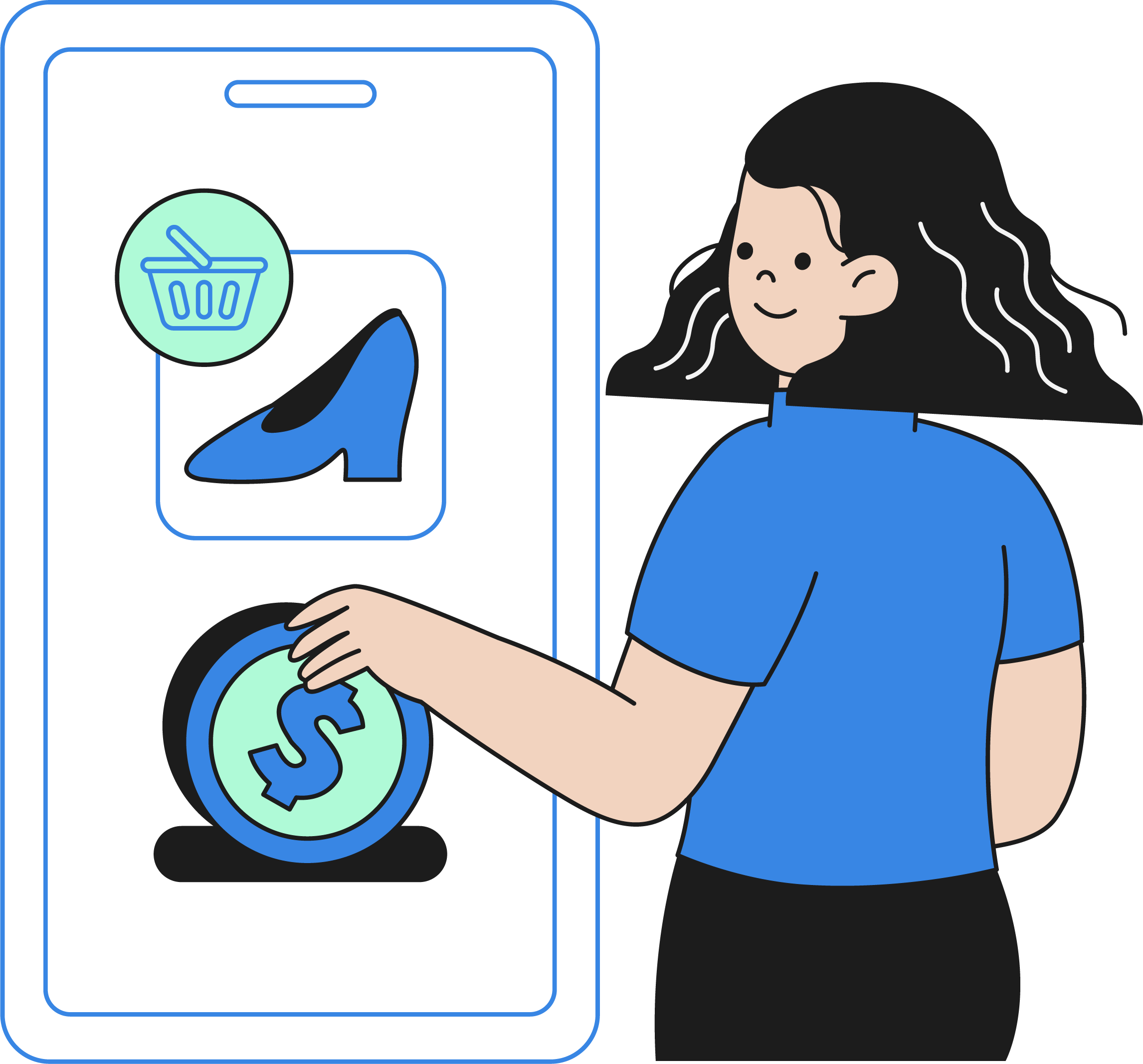
Marketing Trend #3. The creator economy becomes creator commerce
Influencer marketing has matured into a $40.5 billion industry in 2026, but the real story is the shift from awareness to performance. Creators aren’t just building buzz, they’re driving measurable sales. Soda brand OLIPOP built a creator program around $36 product samples and a 10% commission, and it now drives 12% of total sales at a 982% ROI.
The power has shifted decisively to smaller creators. Nano-influencers make up 75.9% of Instagram’s influencer base and deliver 50% higher engagement rates than bigger accounts. Their CPMs run $4–$5, a fraction of traditional paid media costs.
Your move: Start with product seeding. Send your product to 10 nano- or micro-influencers who genuinely align with your brand. Watch who creates quality content naturally, then formalize your top performers into paid partnerships with unique affiliate codes. Repurpose their content across your own ads, emails, and product pages. Whitelisted creator content achieves roughly double the return on ad spend compared to brand-created ads.
Marketing Trend #4. Zero-click content changes how customers find you
Here’s the trend most marketers are still underestimating: 60% of Google searches now end without a single click to any external website. When AI-generated summaries appear, users click through only 8% of the time. The “drive traffic to your website” model is cracking.
The brands winning in 2026 deliver complete value on-platform. LinkedIn carousels that teach without linking out. TikTok explainers that answer the full question. Google Business Profiles so detailed that AI assistants can recommend your business without the customer ever visiting your site.
Your move: Create self-contained content on every platform you use and give away the answer, the insight, or the solution right there. Optimize for “answer engine optimization” by structuring your website content with clear Q&A formats and schema markup. And shift your success metrics from clicks to visibility: Are you showing up in AI overviews, featured snippets, and platform search results?

Marketing Trend #5. Social commerce crosses the $100 billion mark in the U.S.
Social commerce has graduated from experiment to essential. U.S. social commerce sales will surpass $100 billion for the first time in 2026, and globally the market has reached $2.11 trillion. TikTok Shop alone is projected to hit $23.4 billion in U.S. sales this year, which is larger than Target’s entire online business.
The conversion numbers are staggering: live shopping events convert at up to 30%, compared to the 2–3% industry average for traditional ecommerce. Discovery, consideration, and purchase now happen in a single scroll.
Your move: Set up a storefront on TikTok Shop or Instagram Shopping and list your products. Experiment with live selling. Even a casual 15-minute product demo can dramatically outperform a static product page. Partner with micro-creators who can authentically showcase your products in shoppable content. Treat social commerce as a distinct revenue channel, not just a marketing tactic.
Marketing Trend #6. Micro-communities quietly outperform mass audiences
While most brands chase follower counts, the smartest ones are building small, fiercely loyal communities. The data backs this up: micro-communities convert at 5–10x the rate of traditional audiences, and brands with active communities report 25% higher customer retention. Meanwhile, organic reach on major platforms has cratered below 2% for most brand pages.
Private WhatsApp groups, Discord servers, and membership communities are where real trust—and real revenue—are being built. Nearly 40% of consumers now trust micro-community recommendations as much as personal ones.
Your move: Invite your 20 most loyal customers into a private WhatsApp group or Discord channel. Offer genuine value such as early product access, founder Q&As, exclusive content that are not just promotions. Fifty engaged people who trust you will generate more referrals, feedback, and repeat purchases than 50,000 passive followers ever will.

Marketing Trend #7. Sustainability sells when you lead with proof, not promises
Sustainability has crossed the line from corporate virtue signaling to competitive advantage. Products marketed as sustainable grow 2.7x faster than those that aren’t, and consumers willingly pay a 9.7% premium for sustainably produced goods. Even more compelling: 69% of consumers are more likely to become repeat buyers from brands using eco-friendly packaging.
But the era of vague pledges is over. Consumers and regulators demand specifics. Google’s 2026 marketing guidance points to a YouTube collaboration between creator Emma Winder and secondhand marketplace Vinted as a model: leading with genuine consumer benefits (saving money, finding great style) rather than lecturing about the planet.
Your move: Replace abstract claims with measurable specifics. “This product lasts 3x longer” beats “We care about the environment.” Consider certifications like B Corp or Climate Neutral as trust signals. And tell your sustainability story where it performs best. 75% of sustainable products sell better online, where you have the space to show your receipts.
Authenticity, value, and direct relationships are the new currency of marketing
The through-line across all seven trends is clear: The brands winning in 2026 aren’t the ones with the biggest budgets. They’re the ones meeting customers where they are, earning trust through proof instead of polish, and building systems that compound over time.
You don’t need to tackle all seven at once. Pick the two or three that align most closely with your business and your audience, and commit to them for the next 90 days.
Ready to put these trends into action for your business? Let’s connect to build a marketing strategy that’s built for 2026 instead of borrowed from 2024.
 About the author: Jennifer Frazier is a seasoned brand strategist, creative director, and senior copywriter with 30+ years of delivering high-converting results for the brands she and her team serves at The Creative Stable, a full-service advertising agency located in Dade City, Florida that she founded in 1990.