If you have ever wondered why some websites consistently outrank others in Google search results, the answer often comes down to one thing: backlinks. A study of 11.8 million Google search results by Backlinko found that the number-one result has an average of 3.8 times more backlinks than results in positions two through ten. For marketing professionals looking to improve organic visibility, understanding and building backlinks is not optional. It is foundational.
At The Creative Stable, we talk to business owners and marketers who are creating great content but struggling to gain traction in search. More often than not, their backlink profile is the missing piece. The good news is that building quality backlinks does not require a massive budget or an agency on retainer. It requires strategy, consistency, and a willingness to put your brand out there.

What exactly is a backlink, and why does Google care?
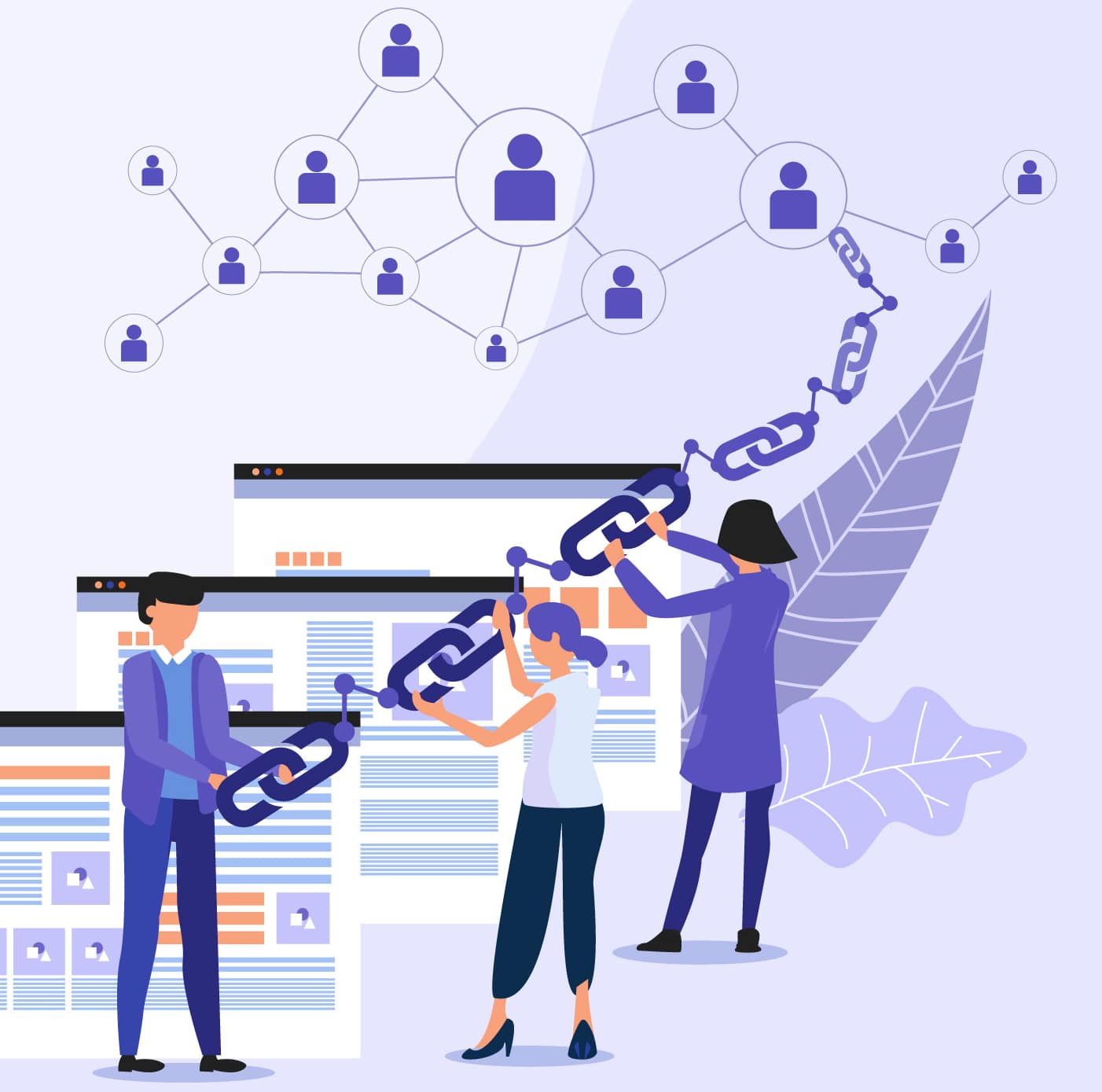
A backlink is simply a link from one website to another. When another site links to your website, search engines interpret that link as a vote of confidence, a signal that your content is valuable enough for someone else to reference. The more high-quality votes you earn, the more authority your site builds in Google’s eyes.
Google has long confirmed that links are a core ranking factor. In 2016, Google’s Andrey Lipattsev stated that content and pointing to your site were among the top three ranking signals. While Google’s Gary Illyes noted in 2023 that may no longer hold the top three spot they once did, Search Engine LandCitation Labs data tells a clear story: backlinks still matter enormously. According to Semrush’s 2023 analysis, 92.3% of the top 100 ranking domains had at least one backlink. Sites without backlinks rarely break onto page one.
Here is the uncomfortable reality. Ahrefs analyzed 14 billion web pages and found that 96.55% of all pages get zero traffic from Google. One of the primary reasons? Those pages have no backlinks pointing to them. If your site is invisible to search, a weak backlink profile is a likely culprit.
Press releases are an underused tool for earning links
One of the most accessible ways to start building backlinks is through press release distribution. Services like prweb.com allow you to distribute newsworthy announcements to a network of over 1,200 websites, including syndication to major search engines and news outlets. But the cost can be a little steep for many small businesses. There are other alternatives, however. With Prezly, plans start at around $110 per release, making this a budget-friendly option for small businesses and marketing teams without a dedicated PR department.
A word of clarity on how this works for SEO: the links within your press release itself are typically nofollow, meaning they do not directly pass ranking power to your site. The real value is indirect. When journalists and bloggers discover your press release and write original coverage of your news, those editorial links carry significant SEO weight. Think of press release distribution as casting a wide net. You are putting your story in front of the people who can amplify it with authoritative, organic backlinks.
To make press releases work harder for you, only distribute genuinely newsworthy content. A new product launch, a meaningful partnership, original research, or a community initiative will attract far more pickup than a routine company update. Include multimedia assets such as images and video, write a compelling headline, and always link to a relevant landing page on your site so journalists know where to direct their readers.
Five practical SEO backlinking strategies you can start this week
Beyond press releases, several proven strategies can help you build a healthy backlink profile without a steep learning curve.
- Respond to journalist queries through HARO. Help A Reporter Out connects journalists seeking expert sources with professionals who can provide commentary and insights. The platform was relaunched in April 2025 under new ownership and remains free for both sources and journalists. When a reporter uses your quote in their article, they typically include a backlink to your website. This is one of the highest-quality link-building tactics available because you earn editorial links from established media outlets. Sign up, review the three daily email digests, and respond to queries relevant to your expertise.
- Claim and optimize your business directory listings. Start with Google Business Profile, which is the single most important directory for local SEO. Then move to Yelp, the Better Business Bureau, and the new Bing Places, and any industry-specific directories relevant to your field. Each listing provides a citation and backlink from a high-authority domain. The key is consistency: make sure your business name, address, and phone number are identical across every directory.
- Write guest posts for reputable industry publications. Guest posting remains effective when done with quality in mind. Identify blogs and publications your target audience reads, pitch a specific topic that serves their readers, and write genuinely useful content. Include one or two natural, contextual links back to relevant pages on your site. Avoid sites that openly sell guest post placements, as Google considers these link schemes. Focus on publications with real readership and organic traffic.
- Create content worth linking to. According to a Backlinko and BuzzSumo study of 912 million blog posts, 94% of all content earns zero external backlinks. The content that does earn links tends to be original research, comprehensive guides, free tools, and data-driven pieces. Long-form content receives 77.2% more backlinks than shorter articles. If you invest the time to create a genuinely useful resource, such as a detailed how-to guide or an industry survey with original data, other sites will reference and link to it naturally. HubSpot’s research confirms this pattern: companies that blog receive 97% more inbound links than those that do not.
- Leverage social media for content discovery. While social media links themselves are typically nofollow and do not directly boost rankings, sharing your content on LinkedIn, X (formerly Twitter), and other platforms puts it in front of journalists, bloggers, and content creators who may link to it in their own work. LinkedIn is particularly effective for B2B content. On X, hashtags like #JournoRequest and #PRRequest connect you directly with reporters seeking sources, functioning as an informal alternative to HARO.
Quality always outweighs quantity
As you build your backlink strategy, keep one principle front and center: the quality of linking domains matters far more than the raw number of links. Semrush’s 2024 Ranking Factors Study found that referring domain diversity is a significant ranking factor, meaning that links from many different reputable websites carry more weight than dozens of links from a single source. One editorial backlink from a respected industry publication is worth more than a hundred links from low-quality directories.
Avoid shortcuts. Buying links, participating in link exchange schemes, and using private blog networks can result in Google penalties that are far harder to recover from than the slow, steady work of earning links organically. The strategies outlined above are all legitimate, Google-approved approaches that build lasting authority.
Start small, stay consistent
Building a strong backlink profile is not something that happens overnight. According to HubSpot, 51% of marketers say it takes one to three months to see the impact of link-building efforts. The key is to start with the most accessible tactics, such as claiming directory listings and signing up for HARO, and then layer in more ambitious strategies like guest posting, press releases through sources like PR Web and Prezly, and creating original research over time.
Every quality backlink you earn is a long-term investment in your website’s authority and visibility. In a digital landscape where nearly all content goes unseen, the brands that commit to consistent, strategic link building are the ones that rise to the top of search results and stay there. Start building those connections today.
Need help with your backlink building? Let’s connect.
 About the author: Jennifer Frazier is a seasoned brand strategist, creative director, and senior copywriter with 30+ years of delivering high-converting results for the brands she and her team serves at The Creative Stable, a full-service advertising agency located in Dade City, Florida that she founded in 1990.