The world of corporate branding is evolving at an unprecedented pace as 2026 approaches. New technologies, shifting consumer values, and intense global competition are rewriting the rules for how organizations stand out and connect with their audiences.
Traditional approaches no longer guarantee success. Digital transformation and rising expectations are pushing brands to innovate, adapt, and differentiate themselves in new ways.
Forward-thinking leaders recognize that embracing innovative strategies is essential. This not only future-proofs a brand’s reputation but also builds trust and drives long-term, sustainable growth.
In this article, you will discover seven cutting-edge corporate branding strategies designed for 2026. Each offers actionable insights to help leaders, marketers, and brand strategists succeed in a rapidly changing marketplace.
By exploring these strategies, your organization can stand out, adapt, and thrive—no matter how the landscape shifts.
The Evolution of Corporate Branding in 2026
In 2026, corporate branding is undergoing a dramatic transformation. Organizations are no longer defined solely by logos or slogans, but by their ability to adapt to rapidly shifting expectations. The landscape is shaped by digital acceleration, consumer demand for authenticity, and an urgent need to stand out in a saturated global market.
Shifting Consumer Expectations and Digital Transformation
Today’s consumers expect more from corporate branding than ever before. Authenticity, transparency, and social impact are no longer optional, they are fundamental. Brands must prove they stand for something meaningful. This shift is powered by digital transformation, as most interactions now begin online and extend across multiple channels.
Omnichannel engagement is the new standard. Customers want seamless experiences whether they connect via mobile app, social media, or in person. According to industry data, 87 percent of B2B marketers report that content marketing is essential for building brand awareness, highlighting the critical role of storytelling in corporate branding.
Major players like IBM have successfully evolved from hardware providers to leaders in AI and cloud solutions. Google, on the other hand, has focused on integrating user-centric technology across its ecosystem, setting a benchmark for digital-first experiences. Purpose-driven branding is rising, strengthening loyalty and trust. Stakeholders and consumers alike are demanding clear commitments to ESG (Environmental, Social, Governance) values.
Real-time feedback loops are now integral, enabling brands to adjust quickly in a hyper-connected world. Agile branding strategies help organizations respond to cultural shifts and trends. Consistency across all touchpoints—from visual identity to messaging and service—is more important than ever for effective corporate branding. For a deeper look at how authenticity and environmental commitment are shaping trust, see Branding Design Trends Every Business Should Watch in 2026.
Core Elements of Successful Corporate Brands in 2026
To excel, organizations must refine their corporate branding strategy around several core elements. Strategic brand positioning helps carve out unique value in a crowded market. Cohesive brand architecture, whether as a house of brands or a branded house, ensures that both corporate and product brands add to overall equity.
Storytelling and a compelling brand narrative are powerful differentiators. They connect emotionally with audiences and reinforce the brand’s mission. Leading companies such as Salesforce leverage data and AI to deliver personalized brand experiences, making every touchpoint relevant to the individual user.
Clear brand guidelines are essential, especially for global organizations managing multiple products and markets. Consistency in visuals, messaging, and customer service fosters recognition and trust. Cross-functional collaboration—bringing together marketing, HR, and leadership—ensures that corporate branding is aligned internally and externally.
These elements work together to future-proof reputation, build lasting trust, and drive sustainable growth in 2026’s dynamic marketplace.
7 Innovative Corporate Branding Strategies for 2026 Success
In 2026, corporate branding is evolving rapidly, demanding new strategies to stay ahead. Organizations can no longer rely on static approaches. Instead, they must adopt innovative methods that reflect shifting market dynamics and consumer preferences. The seven strategies below provide a comprehensive roadmap for future-proofing your brand, building trust, and driving growth. For a deeper dive, see these Corporate Branding Strategies for 2026.
1. Purpose-Driven Brand Storytelling
Purpose-driven storytelling stands at the heart of modern corporate branding. Brands that articulate a clear mission and values create authentic connections with stakeholders. This approach goes beyond slogans, embedding purpose into every narrative, campaign, and interaction.
A powerful example is McKinsey & Company. Their thought leadership content demonstrates expertise and trust, positioning the firm as a credible voice in management consulting. By weaving their mission into articles, podcasts, and social media, they shape perceptions and foster loyalty.
To succeed, brands need to tell stories that reflect their societal impact, not just their products. Authenticity is key. Align internal culture with external messaging so employees and customers experience the brand consistently. This alignment enhances trust and makes your corporate branding more resilient.
Storytelling should be omnipresent. Use your website, social channels, and internal communications to share stories of impact, innovation, and employee experiences. Measure effectiveness through engagement metrics and sentiment analysis, refining your narrative based on real feedback.
Tips for building a purpose-driven story:
- Start with your brand’s “why”
- Feature real voices (leaders, employees, customers)
- Use multimedia content (video, blogs, podcasts)
- Foster a feedback loop for continuous improvement
Content remains crucial. In fact, 87% of marketers say content is vital for building brand awareness. As expectations for transparency and authenticity grow, brands that master storytelling will stand out in the corporate branding landscape.
2. Hyper-Personalized Brand Experiences
Hyper-personalization is redefining corporate branding in 2026. Leveraging AI, big data, and automation, brands now deliver experiences tailored to individual preferences and behaviors. This strategy enhances engagement, satisfaction, and loyalty.
Google sets the standard here. By integrating user data across products, they create seamless, personalized journeys. Whether you use Gmail, Drive, or Search, the experience feels uniquely yours. This level of personalization builds trust and keeps users coming back.
To implement this, start by mapping customer journeys and identifying key touchpoints. Use AI to analyze real-time behavior and feedback, then adjust content, recommendations, and support accordingly. Automated workflows can deliver targeted emails, dynamic website content, and individualized offers.
However, with greater personalization comes responsibility. Brands must prioritize privacy and data ethics, ensuring transparency about data use. Establish clear guidelines and obtain explicit consent, especially in regulated industries.
Best practices for scalable personalization:
- Segment audiences based on behavioral data
- Use AI-driven tools for real-time adjustments
- Monitor KPIs: engagement, retention, satisfaction
- Regularly audit data privacy policies
Hyper-personalized corporate branding is not just a trend, it is a necessity for organizations seeking competitive advantage in 2026.
3. Integrated Corporate and Product Branding
In 2026, integrating corporate identity with product brands is essential for cohesive corporate branding. This strategy ensures that every product launch, campaign, and communication reinforces the core values and reputation of the parent company.
Adobe exemplifies this approach. Their creative solutions, from Photoshop to Illustrator, carry consistent visual assets and messaging. This unity streamlines marketing efforts and strengthens brand equity.
There are two primary models: “house of brands” (distinct product brands under a corporate umbrella) and “branded house” (one brand drives all products). The right choice depends on your market, products, and long-term vision.
Benefits of integration include:
- Streamlined marketing and resource allocation
- Easier cross-promotion and product launches
- Stronger, more recognizable brand presence
Yet, there are risks. Over-integration may dilute unique product identities. To avoid this, maintain clear guidelines that define when to leverage the corporate brand versus product differentiation.
Google’s unified brand elements across products illustrate successful integration. Their use of consistent colors, icons, and user experience standards sets a benchmark.
Framework for ongoing alignment:
| Area | Action | Frequency |
|---|---|---|
| Visual Identity | Review brand assets | Quarterly |
| Messaging | Audit communications | Bi-annually |
| Product Positioning | Align with strategy | Annually |
Effective corporate branding requires ongoing alignment and cross-functional collaboration.
4. Employee Advocacy and Internal Branding
Employees are a brand’s most powerful ambassadors. In 2026, employee advocacy is a cornerstone of successful corporate branding. By empowering staff to share stories, insights, and company values, brands extend their reach and credibility.
Salesforce leads the way with internal brand champions and culture initiatives. Their employees actively participate in social campaigns, community events, and customer success stories. This engagement enhances recruitment, retention, and public reputation.
Building a strong internal brand culture starts with clear communication. Align internal values and external promises through regular training, transparent leadership, and open feedback channels. Incentivize employees to create content and share positive brand experiences on their networks.
Key actions for employee advocacy:
- Provide brand training and resources
- Recognize and reward advocacy efforts
- Use platforms for employee-generated content
- Collect internal feedback for brand evolution
Measure the impact through metrics such as social reach, engagement, and Net Promoter Score (NPS). As employees become advocates, your corporate branding efforts gain authenticity and scale.
5. Sustainability and ESG-Focused Branding
Sustainability has moved from a trend to a requirement in corporate branding. Integrating ESG (Environmental, Social, and Governance) values into brand identity is vital for building long-term trust and loyalty.
IBM demonstrates leadership with a focus on responsible AI and sustainable cloud solutions. They communicate their initiatives transparently, building credibility with customers, investors, and regulators.
To succeed, brands must embed ESG into every product and marketing decision. Third-party certifications and transparent reporting strengthen trust. Avoid greenwashing by backing claims with data and real impact.
Strategies for ESG branding:
- Set measurable sustainability goals
- Share progress openly with stakeholders
- Collaborate with partners for greater impact
Recent studies show consumers increasingly prefer sustainable brands. The long-term benefits include enhanced reputation and regulatory alignment. By making ESG central to your corporate branding, you signal responsibility and future readiness.
6. Real-Time Brand Engagement and Agile Marketing
Real-time engagement is transforming corporate branding. Brands now use live data and social listening to respond instantly to customer needs, market trends, and emerging issues.
Google excels in this area, using real-time feedback to refine products and address concerns quickly. This agility fosters deeper connections and demonstrates commitment to improvement.
Agile marketing methodologies enable rapid campaign testing, adjustment, and scaling. Interactive experiences, such as live video, polls, and Q&As, further boost engagement and trust.
To implement agile branding:
- Adopt tools for monitoring brand sentiment
- Establish protocols for crisis management and rapid response
- Empower cross-functional teams to act on insights
Case studies show that brands leveraging agile approaches capitalize on trends faster and more effectively. Track success using metrics like speed to market, engagement rates, and sentiment shifts. Real-time corporate branding is now essential for relevance and resilience.
7. Strategic Partnerships and Brand Ecosystems
Strategic partnerships expand the reach and value of corporate branding. By forming alliances with complementary brands, organizations create powerful ecosystems that benefit all stakeholders.
Adobe’s integrations with third-party creative platforms demonstrate the power of co-branding and collaboration. Such partnerships enhance customer experience and open new markets.
When selecting partners, ensure alignment of values, goals, and audience. Co-branding, sponsorships, and influencer collaborations can drive market penetration, but clear agreements are essential to manage risks.
Criteria for successful partnerships:
- Shared brand values and vision
- Complementary capabilities
- Transparent communication
Measure partnership ROI through new customer acquisition, brand lift, and market share growth. As platform ecosystems and collaborative innovation become more prevalent, strategic alliances will be a defining feature of corporate branding in 2026.
Measuring and Optimizing Corporate Branding Success
In 2026, measuring and optimizing corporate branding is not just a best practice, but a necessity for sustained growth. As brands operate in a data-rich, hyper-connected world, leaders must use advanced analytics and clear metrics to track the true impact of their corporate branding strategies.
Key Metrics and Analytics for 2026
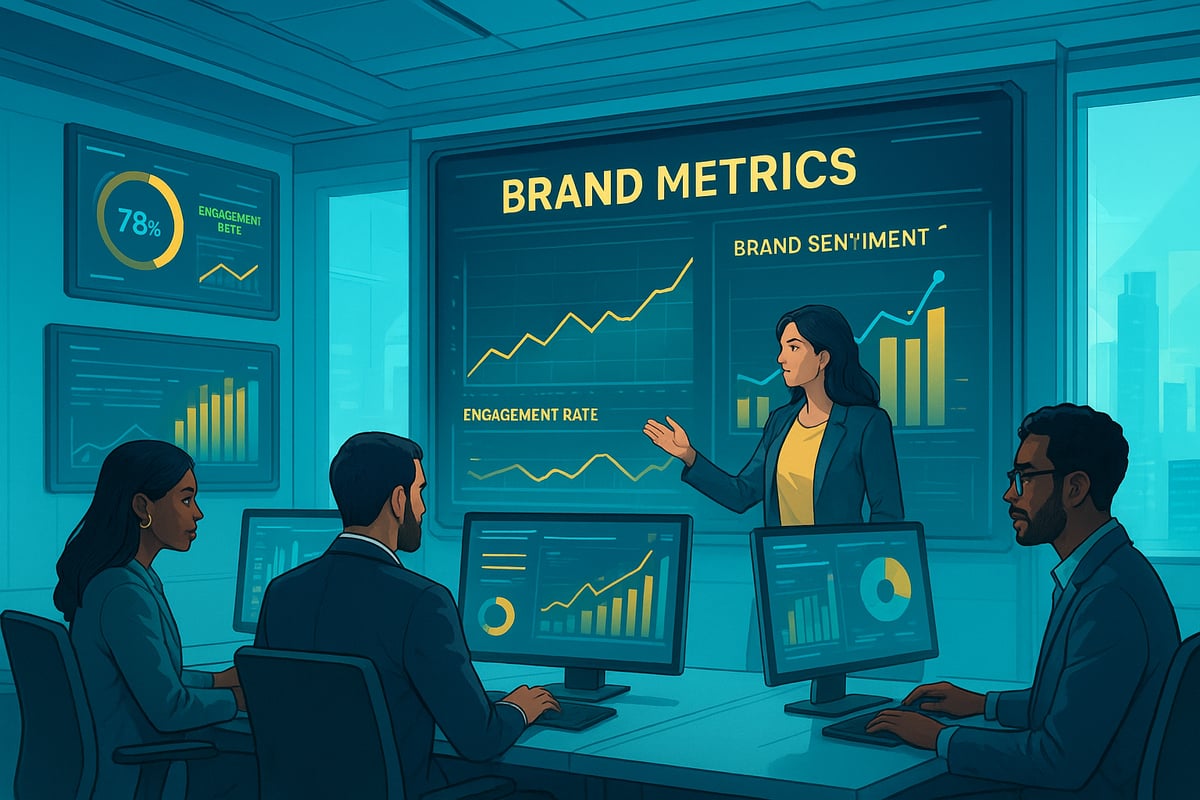
Effective corporate branding measurement starts with defining the right metrics. Brand equity is at the core, combining awareness, perception, and loyalty indices. Companies monitor these through surveys, sentiment analysis, and digital tracking tools.
Engagement metrics span both digital and offline touchpoints. Social media interactions, website visits, and event participation all offer insight into how audiences connect with the brand. AI-driven analytics platforms now allow real-time monitoring of brand health, making it possible to respond quickly to shifts in public sentiment.
Salesforce, for example, uses data dashboards to track brand performance, helping teams make informed, timely decisions. Benchmarking against industry leaders like IBM, Google, and Adobe provides context and highlights areas for improvement in corporate branding efforts.
Customer and employee feedback is vital. Brands collect qualitative and quantitative input to refine their messaging and experience. Tools like brand scorecards and executive dashboards make it easier to visualize progress and communicate results across the organization.
| Metric | Purpose | Example Tool |
|---|---|---|
| Brand Awareness | Track recognition in target markets | Surveys, Google Trends |
| Sentiment Analysis | Monitor public opinion and perception | AI analytics platforms |
| Engagement Rate | Assess audience interaction | Social analytics suites |
| Loyalty Index | Measure customer retention and advocacy | NPS, CRM systems |
Staying informed about the latest brand strategy trends for 2026 ensures that your corporate branding measurement framework remains relevant and future-focused.
Continuous optimization is key. Brands adapt their strategies based on analytics, market shifts, and stakeholder feedback. This data-driven approach fosters agility and resilience, ensuring corporate branding remains impactful and aligned with business goals.
The Future of Corporate Branding: Trends to Watch
The landscape of corporate branding is set for rapid transformation as 2026 approaches. Brands must anticipate not only emerging technologies but also evolving consumer values and expectations. Staying ahead in corporate branding means watching several powerful trends that will redefine how organizations connect, engage, and grow.
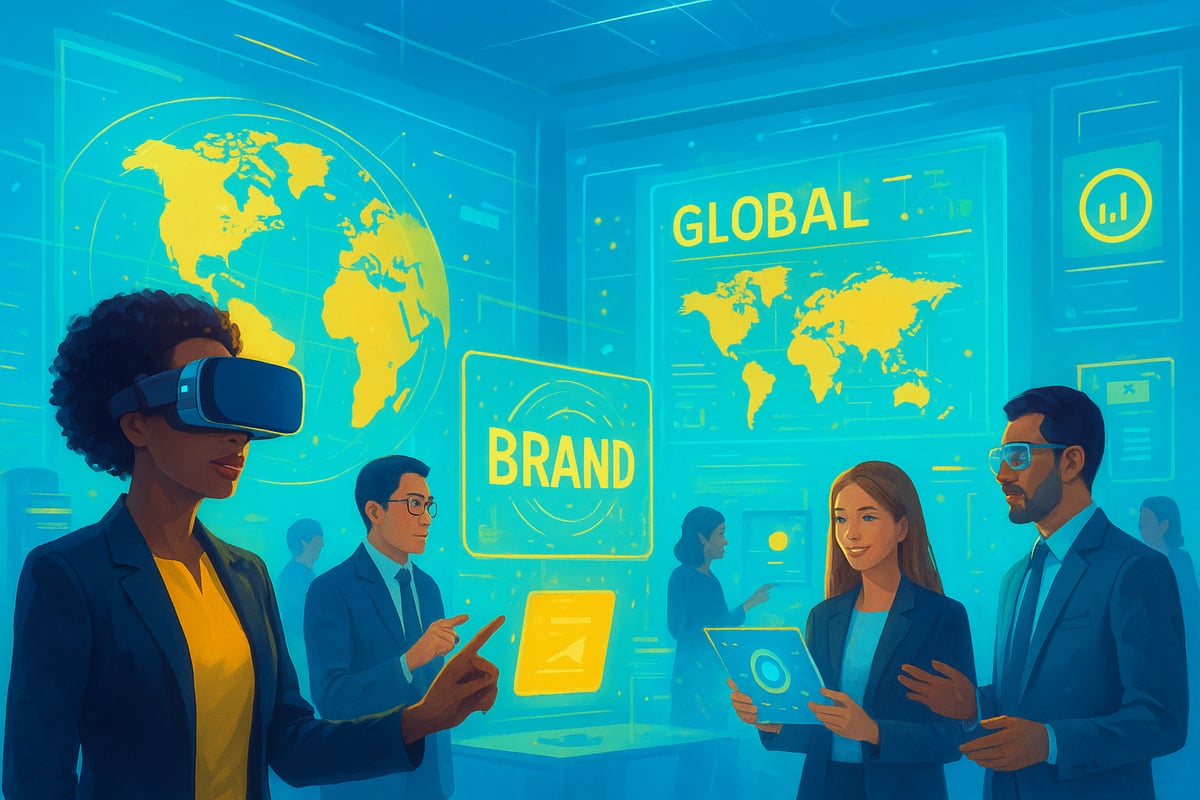
Immersive technologies such as augmented and virtual reality are moving from novelty to necessity in corporate branding. These tools enable brands to tell stories in interactive, memorable ways, creating deeper engagement with audiences. Alongside these advances, ethical AI and data privacy are becoming foundational, as consumers demand transparency and control over how their information shapes personalized brand experiences.
Global-local or "glocal" branding strategies are gaining traction, empowering companies to tailor messages for regional relevance while maintaining unified corporate branding. Brands are also focusing on micro-communities and niche audiences, using targeted content and platforms to foster authentic, loyal relationships. The importance of brand purpose is rising, not just in consumer trust but also in attracting and retaining top talent.
Predictive analytics and automation are revolutionizing brand management, allowing organizations to anticipate trends and deliver timely, relevant interactions. The convergence of digital, physical, and experiential branding is creating seamless, holistic experiences that resonate across every touchpoint. According to 4 Creative Trends for 2026, According to Adobe, multi-sensory and emotionally intelligent branding will be critical for differentiation.
As disruption accelerates, brands that embrace these trends in corporate branding will be best positioned to adapt, innovate, and lead in the years ahead.
As you look ahead to 2026, it’s clear that innovative branding isn’t just about keeping up—it’s about staying ahead. By exploring strategies like purpose-driven storytelling, hyper-personalization, and ESG-focused branding, you’re already taking the first steps toward building a future-proof brand that resonates with customers and stands out in a crowded market. If you’d like to discuss how these trends can be tailored to your unique business challenges, or if you’re ready to turn strategic ideas into measurable results, I invite you to Let’s Connect. Together, we can chart a course for lasting success.